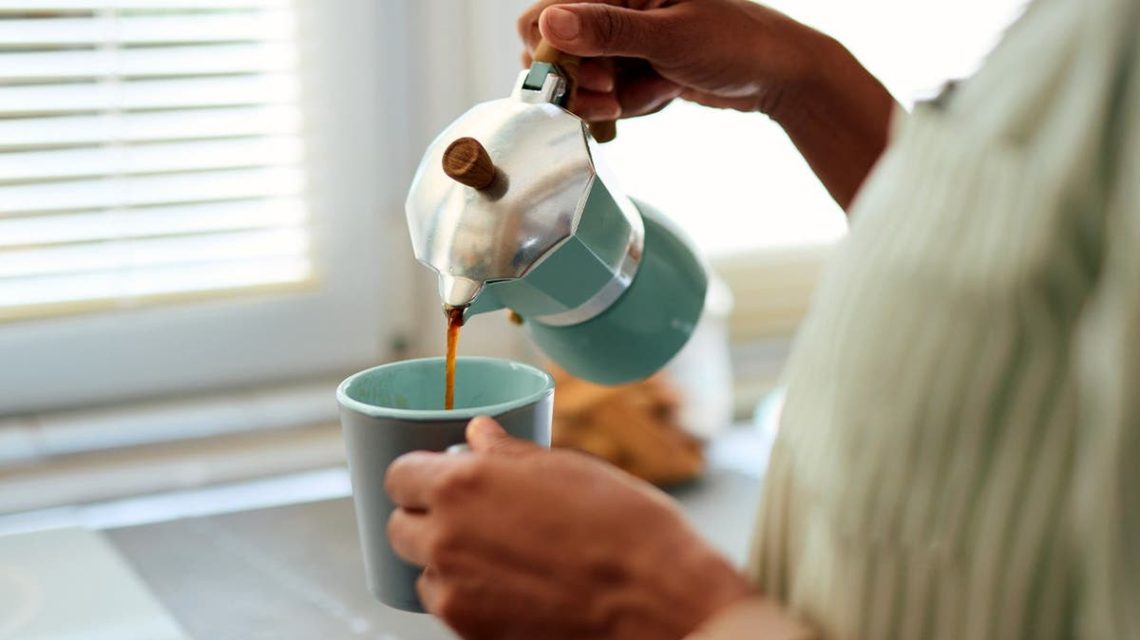
Women who often reach for coffee might reconsider the next cup or opt for tea instead. A study from Flinders University published in the journal Nutrients associates high coffee consumption with lower bone mineral density (BMD) in older, postmenopausal women.
Analysis and Findings
Researchers analyzed coffee and tea consumption among 9,704 women aged 65 and older over 10 years. They measured participants’ BMD at the femoral neck and hip, which are common sites for osteoporosis-related fractures. While tea drinking correlated with a higher total hip BMD, consuming more than five cups of coffee daily linked to a lower BMD.
Moderate coffee consumption, or about two to three cups daily, did not negatively impact bone health. The study also noted variations by health and lifestyle choices. Women with higher alcohol intake showed lower femoral neck BMD when consuming coffee, whereas tea’s positive effect on bone density was more evident among those with obesity.
Osteoporosis, marked by low BMD, is a significant global public health issue, affecting people of various ages, genders, and ethnicities.
Around one in three women and one in five men aged 50 and older worldwide experience osteoporosis-related fractures. In the U.S., the number of adults over 50 with low BMD in the hip or spine is expected to rise by 17.2 million by 2030, increasing healthcare costs and long-term disability resulting from fractures.
Dietary Impact
The study examined coffee and tea’s impact on bone health due to their role in preventing noncommunicable diseases and potential influence on bone health as globally consumed beverages.
Co-author Ryan Liu explained to ScienceDaily, “Compounds called catechins, abundant in tea, may promote bone formation and slow bone breakdown.” In contrast, coffee’s caffeine content can interfere with calcium absorption and bone metabolism, although adding milk may offset these effects.
Liu noted, “Our results don’t mean you need to give up coffee or start drinking tea by the gallon, but moderate tea consumption might support bone health, and very high coffee intake might be less ideal, especially for women who drink alcohol.”
Preventative Measures
Symptoms of osteoporosis and early bone loss include back pain, height loss over time, and a stooped posture. Preventing bone loss may involve:
- Eating calcium-rich foods like dairy, leafy greens, and canned fish with bones
- Getting adequate vitamin D to aid calcium absorption
- Exercising regularly, focusing on weight-bearing and strength-training activities
- Balance exercises to reduce the risk of falls and fractures
Teresa Mull is a freelance writer with the Lifestyle team at Fox News Digital.
 In-N-Out Burger’s Secret Menu: A Culinary Tradition
  J.K. Rowling’s Superyacht Causes Stir in Los Angeles Marina
  Labor Day and Back-to-School Traditions Through the Years
  Mixing Up the US Open’s Signature Honey Deuce Cocktail
  Travelers and TSA Rules: The Peanut Butter Debate
  Embrace Back-to-School Energy for Personal Growth