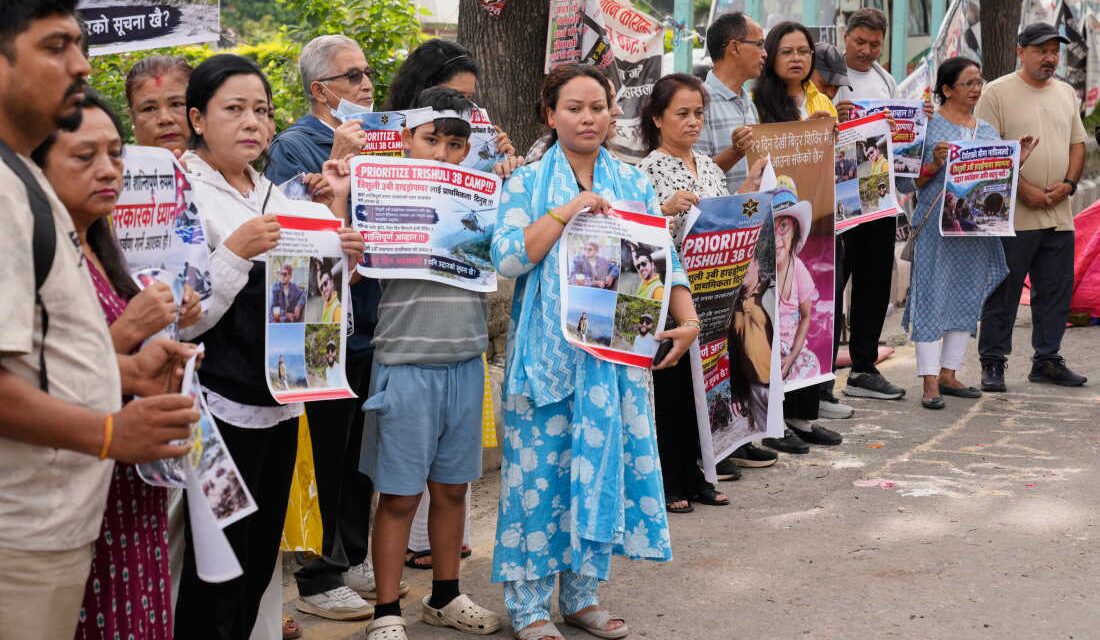
During a demonstration in Kathmandu, Nepal, relatives of recent flash flood victims displayed banners urging authorities to intensify efforts to locate missing loved ones. The call for action came after deadly flash floods struck the border of Nepal and China on August 26.
In Nepal, authorities promptly released a list with the names, ages, and nationalities of hundreds of missing foreigners. In stark contrast, Chinese officials delayed five days before revealing that 261 foreigners missing in Tibet came from 23 countries. Even twelve days after the incident, Chinese authorities provided little information about the victims while restricting reporting on the floods.
Nepal reported over 1,300 deaths and almost 5,000 missing individuals. In comparison, China reported over 40 deaths and more than 500 missing people. David Bandurski of the China Media Project noted the dominant role Chinese state media plays in shaping public opinion, with censorship levels described as unprecedented.
“Xinhua and CCTV have total information dominance,” Bandurski remarked.
Rights groups observed that the lack of independent access to Gyirong County in Tibet, where the floods occurred, stands in contrast to Nepal, which allowed immediate access to journalists and observers. Ryan Fioresi from the International Campaign for Tibet compared the open coverage in Nepal to the limited access for foreign journalists in Tibet.
While international media faced delays entering Tibet, Nepal provided regular updates through police and disaster management social media feeds. Fioresi pointed out that many Tibetans were relocated to controlled areas with restricted communication, affecting rescue operations.
Chinese Foreign Ministry spokesperson Guo Jiakun refuted claims of understating the disaster’s impact, insisting China remains open in information release. However, independent media coverage has been constrained, affecting the reporting efforts of outlets like the Beijing News and Southern Weekly.
In the past, during crises like the 2008 Sichuan earthquake, Chinese media violated directives to report firsthand. Recent coverage, however, relied heavily on state broadcast content from Xinhua.
“There’s total control of the narrative,” Bandurski commented on Chinese media.
Efforts by foreign media to report were further hampered as videos and firsthand accounts emerged only to be swiftly deleted. Chinese police penalized individuals accused of spreading misinformation about the floods.
State media published stories showing the government’s rapid response, with rescue teams featured prominently. Coverage focused on operational logistics rather than the plight of affected villagers.
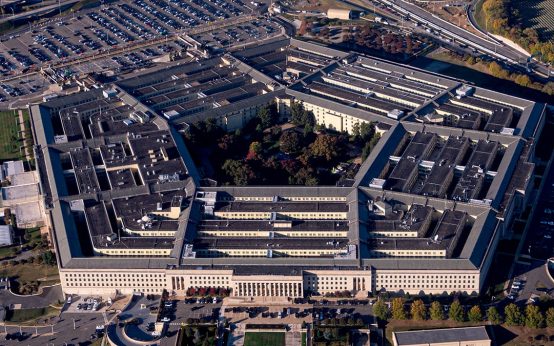 Judge Denies Attempt to Block Pentagon’s Firing of Journalists
 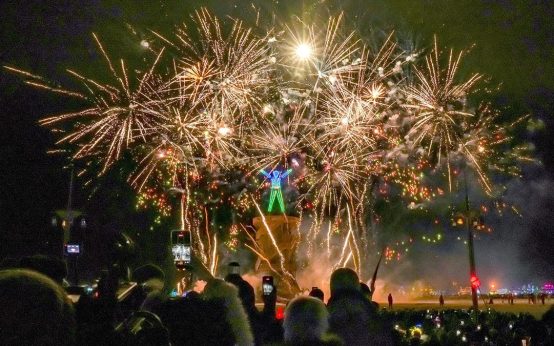 Tragic Events at Burning Man: Two Deaths Occur Within 24 Hours
  Germany’s AfD Party Surges in Saxony-Anhalt Election
  King Charles III Confirms Status of Prince Harry and Meghan Markle
  US Ambassador Urges Support for New Peace Framework in Gaza
  Israeli Ambassador Criticizes NYC Mayor’s Protest Calls Ahead of Netanyahu’s UN Visit