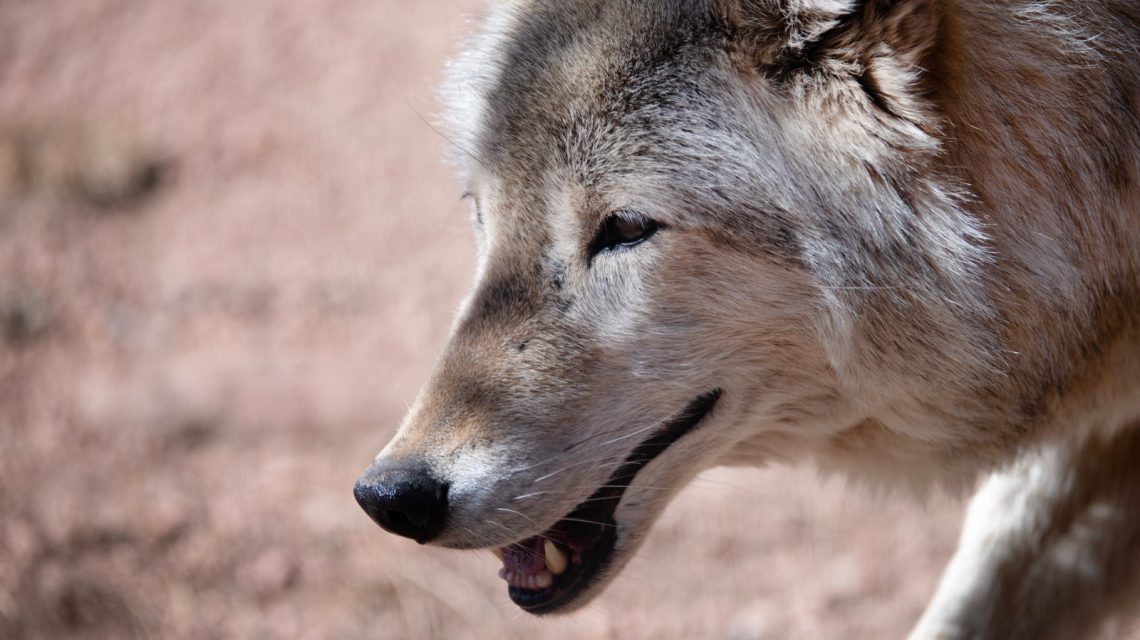
President Donald Trump has ordered a federal review to reconsider the protected status of gray and Mexican wolves. This move starts a process potentially affecting their current protections under the Endangered Species Act (ESA) across the United States.
Executive Order Details
The executive order, signed on Friday, instructs the interior secretary to assess whether gray or Mexican wolves qualify for delisting or downlisting. If needed, rulemaking procedures should begin. The order also calls for legislative recommendations, enhanced coordination with states for local protections, updated standards for compensating livestock losses, and streamlined processes for the potentially lethal removal of wolves.
Gray Wolf Populations by State
Alaska leads in the number of gray wolves. Data from the Wolf Conservation Center, compiled from federal and state agencies, provide insights into wolf populations across various states:
- Alaska: 7,700-11,200 (as of 2017)
- Minnesota: 2,919 (winter 2022-23)
- Wisconsin: approximately 1,200 (2024-25)
- Idaho: approximately 1,129 (2025)
- Michigan: 762 (2023)
- Montana: 725 (2025)
- Washington: 270 (April 2026)
- Wyoming: 253 (December 31, 2025)
- Oregon: 230 (April 2026)
- New Mexico: 175 Mexican gray wolves (2025)
- Arizona: 142 Mexican gray wolves (2025)
- California: around 55 (May 2026)
- Colorado: 32 (March 2026)
Implications of the Order
This executive order does not immediately remove federal protections for wolves. According to the U.S. Fish and Wildlife Service, the delisting process entails evaluating whether recovery threats have diminished, issuing a proposed rule in the Federal Register, gathering public and expert feedback, and finalizing or withdrawing the proposed action.
The administration portrays this strategy as assisting ranchers with livestock predation issues while responding to industry discontent over increased low-tariff beef imports.
Reactions from Industry and Conservationists
Interior Secretary Doug Burgum noted in a post on Friday that the White House aims to reduce costs for American consumers and support ranchers. He mentioned the direction to assess delisting or downlisting gray and Mexican wolves under the ESA, in conjunction with expanded grazing access on public lands.
R-CALF USA President Dave Hyde acknowledged that while the broader measures might not solve every issue immediately, they signify the administration’s commitment to addressing cattle producers’ longstanding concerns. Agriculture Secretary Brooke Rollins stated the measures would improve ranchers’ and farmers’ capability to manage predators threatening livestock.
Conversely, Humane World for Animals warned that weakening protections could endanger decades of wolf conservation progress. Greta Anderson, deputy director of Western Watersheds Project, criticized the action, labeling it as a “distraction” that misrepresents the threat wolves pose to ranchers compared to President Trump’s policies.
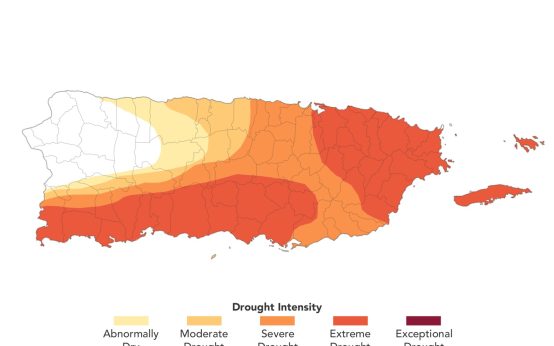 NASA Map Highlights Drought Conditions in Puerto Rico
 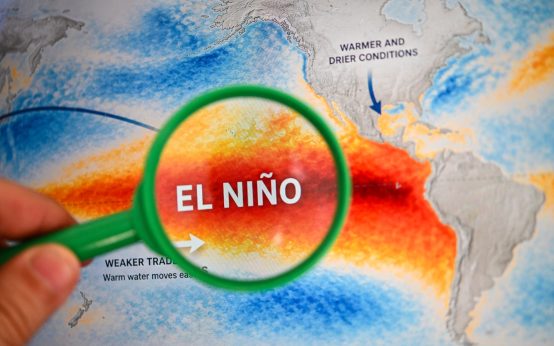 El Niño Intensifies, Impacts Likely Worldwide
 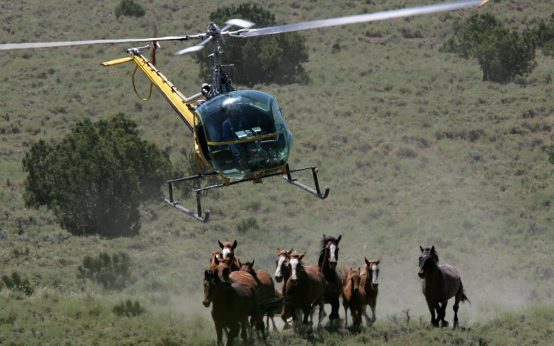 Advocacy Group Raises Concerns Over Wild Horse Roundups in Western U.S.
 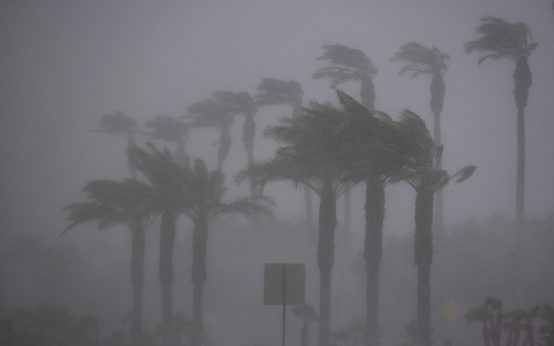 El Niño’s Impact on California and the Southeast: What to Expect
 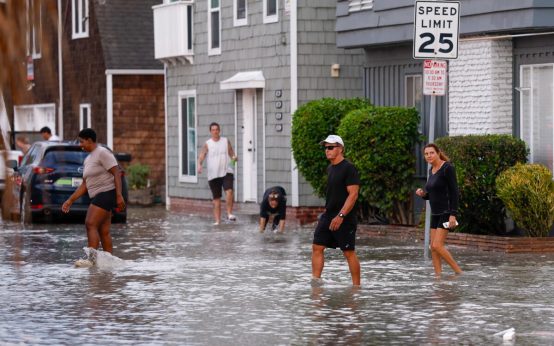 Forecast of Extreme Weather Follows Coastal Flooding in Southern California
 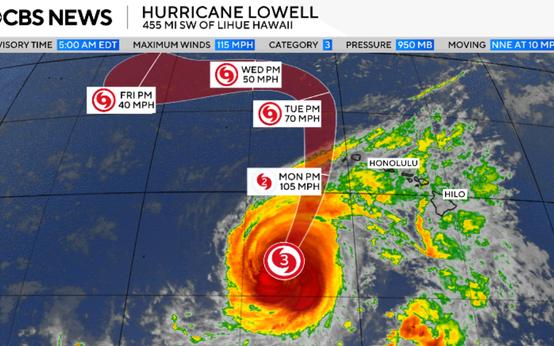 Hurricane Lowell Approaches Hawaii with Intense Winds and Rainfall