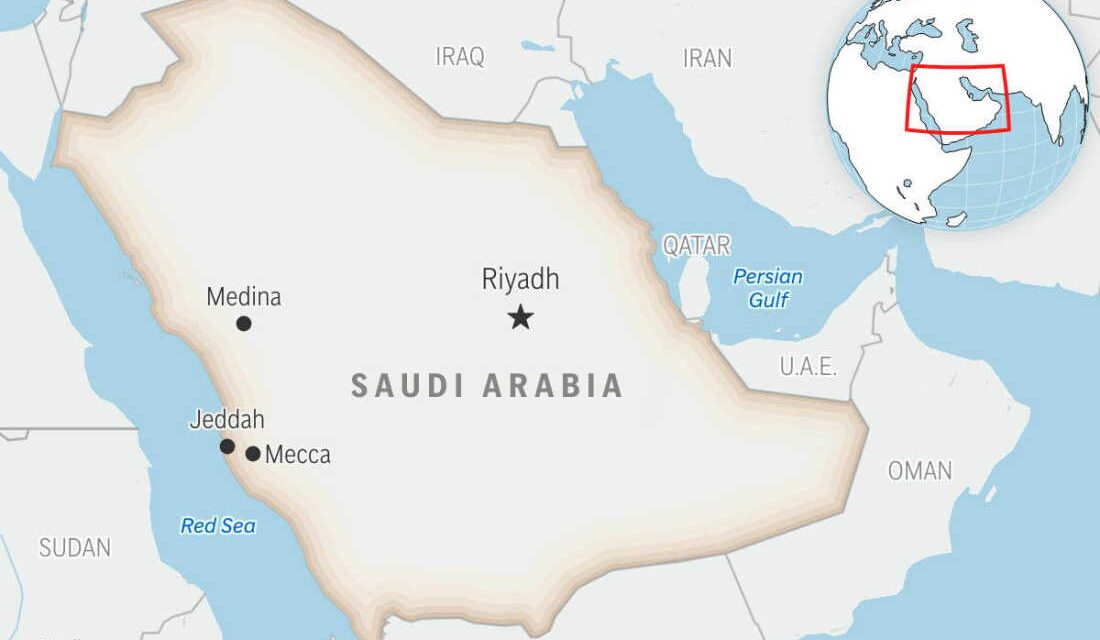
CAIRO — On Tuesday, Houthi forces launched a series of attacks in Saudi Arabia, injuring over 70 people and causing fires at several oil facilities and utilities in the southern region of the kingdom. This significant escalation deepens the ongoing conflict between Saudi Arabia, a key U.S. ally, and Iranian-backed Houthi rebels in Yemen.
Escalating Tensions
The hostilities come after weeks of worsening clashes between Houthi forces and the Saudi-backed Yemeni government. These developments disrupt a four-year truce in Yemen’s civil war and contribute to regional instability. The Saudi-Houthi conflict threatens shipping routes through the Bab al-Mandeb strait, an important passage for the Arabian Peninsula, oil, and global trade. Additionally, the conflict coincides with the near-total halt of shipments through the Strait of Hormuz, previously responsible for moving around 20% of the world’s oil.
Fighting has intensified on multiple fronts, particularly along Yemen’s west coast. Government forces report advances in Hodeida, Taiz, and Bayda provinces, while Houthis continue targeting Saudi oil sites and Red Sea tankers.
Houthi Attacks in Southern Saudi Arabia
The Tuesday attacks targeted “civilian and economic facilities” in the Saudi cities of Abha, Jazan, Najran, and Khamis Mushait, according to Saudi-led coalition spokesperson Maj. Gen. Turki al-Malki. Seventy-three individuals, including women and children, sustained injuries. The attacks caused fires at multiple oil facilities and utilities in the region, temporarily halting operations. The southern area includes major oil facilities like the 400,000-barrel-per-day refinery in Jazan.
Al-Malki condemned the attacks as a “serious escalation” and a “flagrant violation” of Saudi sovereignty, promising swift retaliation against the Houthi militia.
Brig. Gen. Yahya Saree, the Houthi military spokesperson, claimed responsibility for the strikes, which included ballistic missile and drone assaults on oil, economic sites, and an airbase in Saudi Arabia’s south. Saree warned that aggressive actions against the Houthis would face a “firm response.” The conflict also followed a coalition airstrike on a prison in Yemen’s northern Jawf province, resulting in several casualties.
Humanitarian Impact and Ongoing Conflict
The recent surge in violence has displaced approximately 18,500 individuals in the provinces of Taiz and Hodeida in southwestern Yemen, intensifying existing struggles for these communities. The International Organization for Migration reported that many displaced families are without basic necessities and have experienced multiple displacements.
The Yemeni civil war started in 2014 when the Houthis captured Sanaa, the capital, and much of northern Yemen, forcing the government into exile. In 2015, a Saudi-led coalition intervened to attempt restoring the government. The conflict has claimed at least 150,000 lives and periodically pushed Yemen to the brink of famine, as per U.N. estimates.
 Uganda Withdraws from Invictus Games to Support UK Monarchy
  New Documentary Questions Canada’s Progressive Image
  Britain Takes Lead in Criticizing Israeli Settlements
  Ukraine’s Request for Additional $27 Billion Raises Questions in Europe
  Strategic Competition with Iran: Lessons from the Cold War
  Trump’s Map Fuels U.S.-Canada Tensions Amid Territorial Disputes