
The political landscape in California’s transition to electric vehicles (EVs) has faced significant challenges from former President Donald Trump’s administration. This administration frequently targeted California due to its distinct policies, including those related to EVs. While the federal government advocated for a fossil fuel-dependent future, California aimed for carbon neutrality by 2045 and actively worked to decrease the number of gas-powered cars on its roads.
Trump’s actions, as noted by journalist Hayley Smith, sought to hinder California’s progress. Measures included the removal of federal tax credits for EV purchases and challenging the legal framework under the Clean Air Act concerning greenhouse gas regulations. Moreover, the administration revoked California’s longstanding authority to establish stricter vehicle emissions standards and altered the state’s EV sales targets.
Despite these setbacks, California’s EV adoption rate remains robust. In the second quarter of this year, zero-emission vehicles comprised about 19% of new car sales in the state, markedly higher than the national average. Currently, zero-emission vehicles account for approximately 1 in 12 cars on California roads, with nearly 1 in 6 new cars being fully electric. To counteract lost federal rebates, state lawmakers have allocated substantial funding to incentivize EV purchases, especially in the used market.
California faces legal challenges against its 2035 mandate to stop new gasoline-powered car sales.
The availability of EV charging stations significantly influences purchasing decisions. California boasts over 216,000 publicly accessible charging stations, surpassing the number of gasoline stations. Although the Trump administration halted funding for the National Electric Vehicle Infrastructure (NEVI) program and redefined its guidelines, California continued to enhance its charging infrastructure. Recent data shows significant expansion, with 1 in 7 of the 806 new fast-charging stations nationwide opening in California alone. The state’s chargers are heavily utilized, second only to Washington, D.C., and Hawaii.
California’s commitment to EVs persists, amid national political opposition, through pioneering policies and continually adapting to maintain its vehicular emissions authority.
Additional developments in California include progressive movements and legislative proposals, such as categorizing Jewish identity alongside ethnicity for official documentation and Xavier Becerra’s stance on the death penalty moratorium. There is also ongoing discussion around fast-food worker rights and a potential ordinance for more predictable work schedules.
 Democrats Aim for Significant Wins in Ohio Elections
 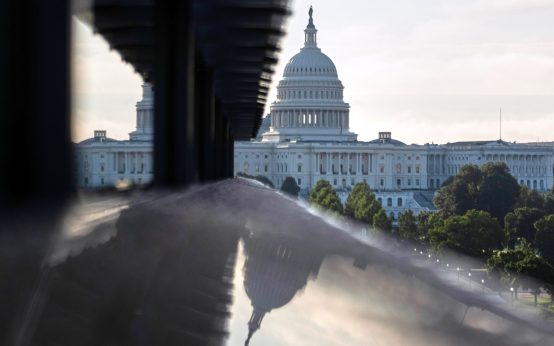 Democrats’ Prospects in Midterm Elections Improve
 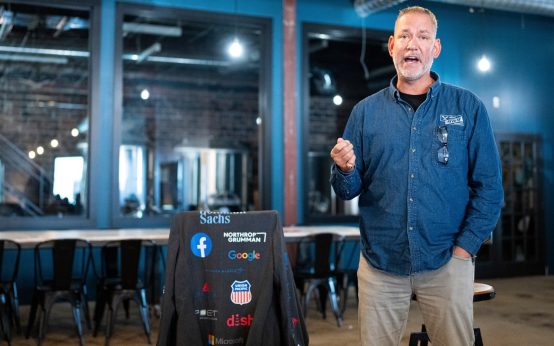 Nebraska Senate Race: Dan Osborn’s Challenge Against Republican Incumbent
  The Intersection of Reality TV and Modern Politics
 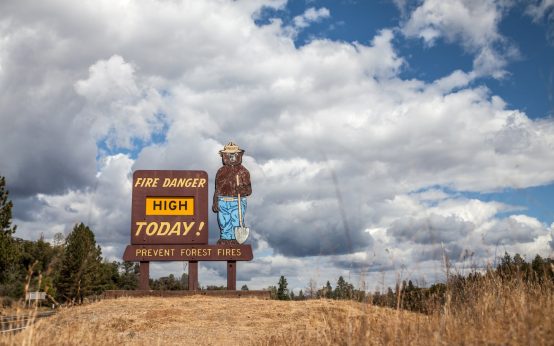 Smokey Bear’s Misunderstood Message: A Critique of Trump’s Environmental Policies
 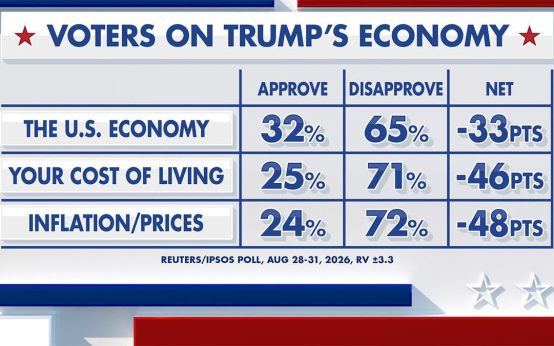 Trump’s Economic Policies Face Key Midterm Test