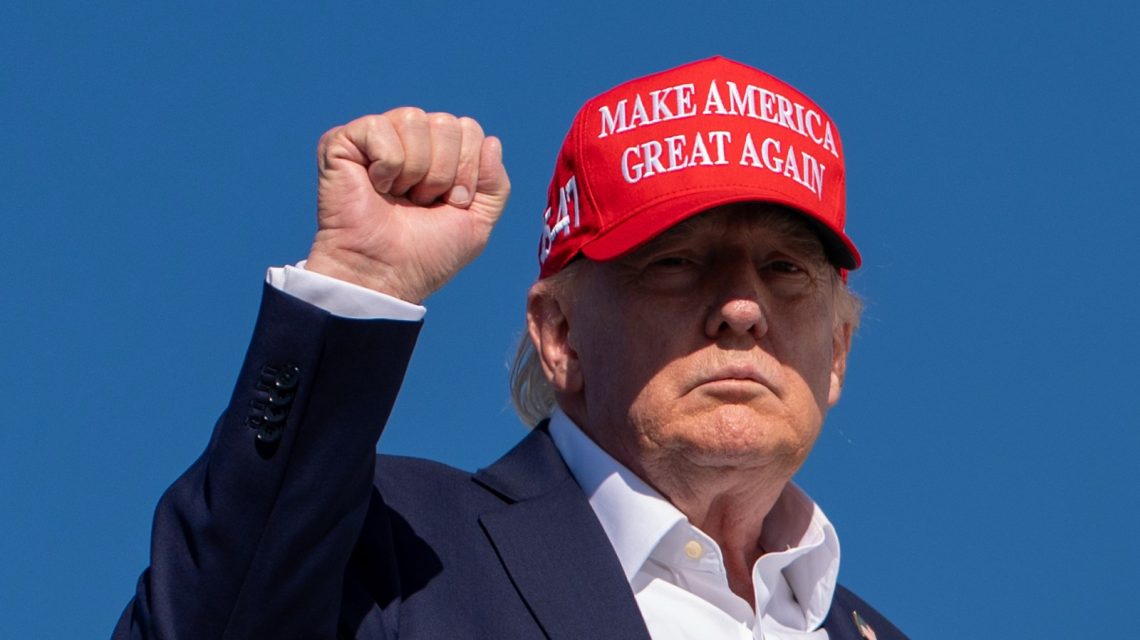
President Donald Trump has issued an executive order aimed at expediting veterans’ access to federal benefits and employment opportunities. The administration is determined to address delays caused by outdated government processes.
The order directs both the Departments of War and Veterans Affairs to enhance the management and sharing of service members’ records. The Department of Labor joins this initiative to boost career guidance, training, and employment opportunities for veterans.
The New Veterans Executive Order: Objectives and Details
The executive order intends to reduce delays that often occur when service members leave the military and interact with the VA system. Under this directive, the Departments of War and Veterans Affairs must create mechanisms to share personnel files and service treatment records across a service member’s career into their VA benefits period.
Records are to be transferred to the VA upon a service member’s departure from the Armed Forces, ensuring the VA has the necessary information to process applications efficiently.
The administration currently reports that outdated systems can cause delays ranging from 90 to 180 days in transferring profiles of transitioning service members. These delays impact healthcare coverage, benefits processing, education, and job training.
The order encourages the use of new digital tools, such as artificial intelligence, to help veterans access benefits and employment services.
Potential Impact on Veterans’ Benefits
While speeding up veterans’ benefits is the goal, the order does not guarantee immediate improvements. It mandates federal agencies to develop and implement systems aimed at reducing delays.
The backlog affecting over 70,000 transitioning service members is highlighted as an issue to tackle. A backlog of around 378,000 during the Biden administration is also mentioned, showing different stages in the benefits process.
The real impact will depend on the quick implementation and effectiveness of the new systems. Thus, the order is better seen as an attempt to streamline the benefit application process, rather than a guarantee of faster payments.
Role of Artificial Intelligence in Processing Benefits
Artificial intelligence features prominently in the order. It directs the Departments of War and Veterans Affairs to create digital tools using AI to assist service members and veterans in accessing benefits and employment opportunities.
The administration hasn’t stated that AI will autonomously decide benefit qualifications. Instead, AI modernizes a system reliant on paperwork and outdated data systems. VA Secretary Doug Collins noted that excessive paperwork can deter veterans from filing claims, making the process seem more complex than it is.
The specifics of AI deployment and its governing safeguards will emerge as the order is implemented.
Implications for Transitioning Military Personnel
The order’s practical significance could be strongest for individuals leaving active military service. It aims for outgoing service members to connect with specialists to guide them in applying for healthcare, disability, home-loan, employment, and education benefits.
The federal government will also connect transitioning service members with job opportunities or suitable education, training, and apprenticeship programs. The Departments of War, Veterans Affairs, and Labor are charged with enhancing career guidance and employment prospects for veterans.
The goal is to ease the transition into civilian life by reducing the need for veterans to navigate complex government systems alone.
Creation of New Benefits
The executive order does not establish new VA benefits or increase payment amounts. It focuses on improving access to existing benefits. This distinction emphasizes improving data sharing, paperwork reduction, administrative delays, technology introduction, and additional support for departing military personnel.
The administration is also addressing fraud within the benefits system, facilitating legitimate claims. Veterans may not see larger payments or new entitlements, but might benefit from easier access to healthcare, disability, education, and employment services.
The outcome depends on how the agencies implement the order.
Contact Newsweek editors on this story: Jenni Fink and Gray R. Thomas.
 Empowering Workers Through Union Formation
  Controversy Over Mayor’s Participation in 9/11 Memorial Event
  White House Defends Trump’s Cash Gifts to Aides
  South Park’s Satirical Name Change to ‘South America’
  Maryland Lawmaker Proposes Registry for Repeat Squatters
  Veterans Continue to Oppose Trump’s Proposed Triumphal Arch Near Arlington Cemetery