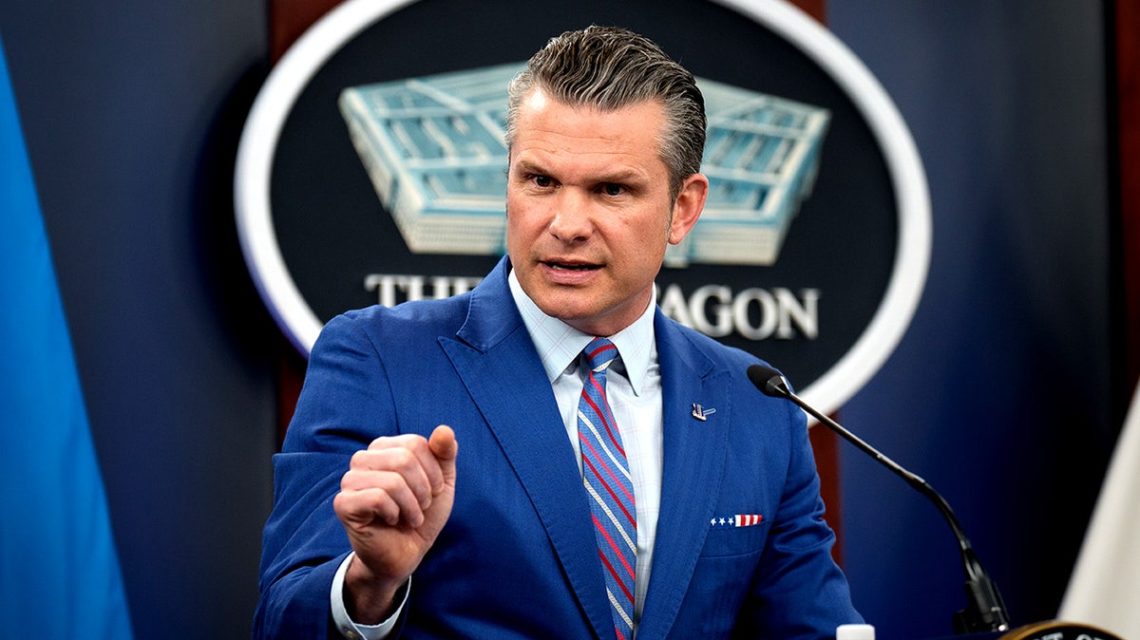
Since the 2016 presidential election, concerns about foreign interference in U.S. elections have grown significantly. Following the involvement of Russia, ensuring the integrity of American elections has become a priority. As the midterms approach, Secretary of War Pete Hegseth mobilizes intelligence and cyber forces to counter foreign threats.
Hegseth’s directive aims to tackle foreign interference in the 2026 elections. His initiative directs military intelligence and cyber agencies to prioritize election security, emphasizing a ‘no-fail mission.’ This includes leveraging every possible asset to safeguard the elections against foreign adversaries.
The directive, issued in September, involves more than just U.S. Cyber Command and the National Security Agency (NSA). It extends to the broader Defense Intelligence Enterprise, targeting foreign entities involved in election threats. This strategy reflects the evolution of the Pentagon’s election security operations since Russia’s 2016 interference.
“Our mission grows as the nature of threats evolves,” commented Secretary Hegseth. However, specific details regarding implementation remain undisclosed.
Military intelligence agencies are tasked with identifying foreign hackers and influence campaigns. They alert civilian counterparts to potential threats aiming at U.S. targets. When allowed, Cyber Command takes action against the perpetrators or their infrastructure.
The election security effort commenced before the 2018 midterms, forming a ‘Russia Small Group’ focused on foreign meddling. This transitioned into a joint Election Security Group, combining NSA’s intelligence with Cyber Command’s operations.
In 2022, then-leader of Cyber Command and NSA, Gen. Paul Nakasone, called election security an ‘enduring mission.’ His description mirrors Hegseth’s current approach.
“We began operations well before and during the midterms,” remarked Nakasone, highlighting the ongoing efforts to counter foreign adversaries.
Presently, Gen. Joshua Rudd, head of Cyber Command and NSA, notes that foreign interference remains likely based on past incidents. Although unsure about the current status of the Election Security Group, Rudd assured readiness to respond as needed.
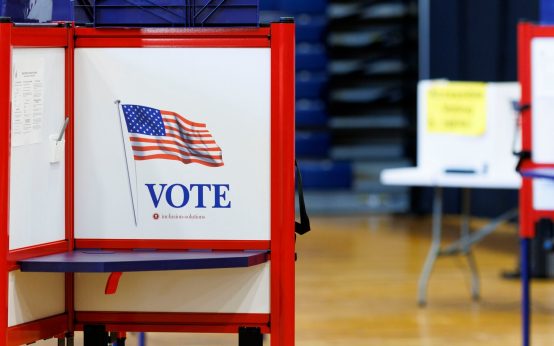
Despite no new authorities or organizations proposed, Hegseth’s department-wide directive reinforces the military’s established role in election security. The focus remains on foreign threats as domestic agencies manage state and local election responsibilities.
Intelligence officials have not found evidence of foreign interference with voting machines or election infrastructure. However, they continue to monitor disinformation efforts, particularly those amplified by artificial intelligence.
Russia poses the most active foreign influence threat, with China and Iran also involved. These efforts aim to influence voters and disrupt confidence in the election process. Lawmakers reveal that disinformation targets candidates and undermines trust, with China focusing on candidates hostile to Beijing.
The Pentagon prioritizes addressing these overseas threats, although the impact on resources and personnel ahead of the elections remains unclear. The military’s overseas mission complements responsible state and local elections, with civilian agencies leading domestic efforts.
 Trump Administration’s Proposal for East Potomac Golf Links Renovation
 El-Sayed Faces Scrutiny over Family Background
 Campaign Speech by Dr. Abdul El-Sayed, Senate Candidate
 Debate Ignites Over Poland’s Constitutional Tribunal Events
 Voter Attitudes Toward Foreign Policy and the Iran Conflict
 Security Measures in the 2026 Midterm Elections