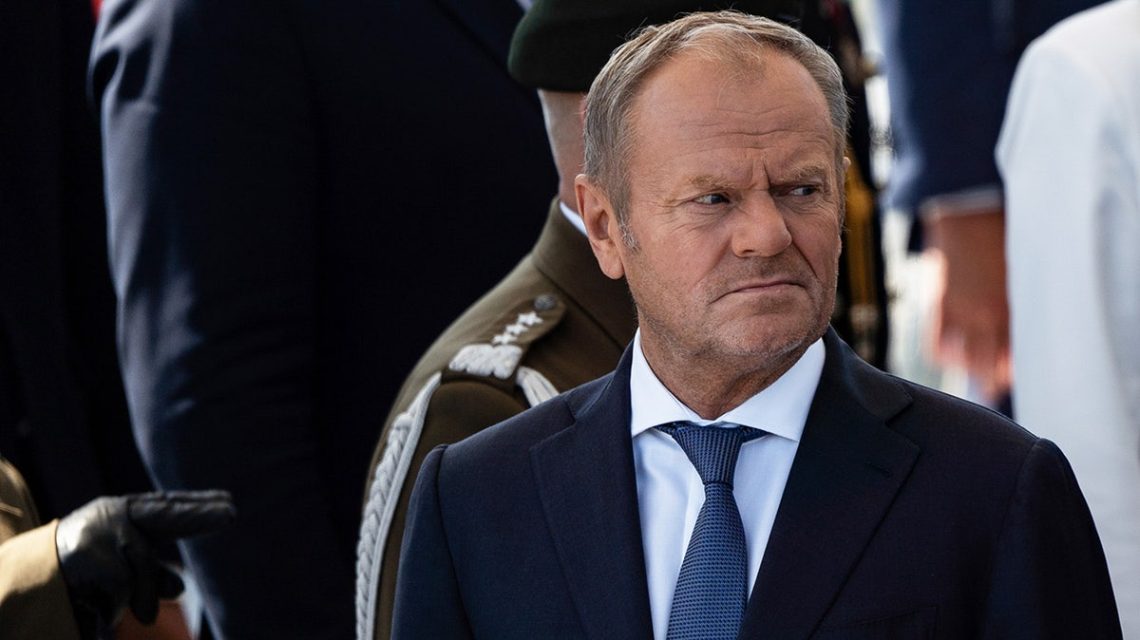
Friday night’s upheaval at Poland’s Constitutional Tribunal sparked a major political clash. Riot police and protesters gathered, prompting President Karol Nawrocki to return to Warsaw. The incident has renewed heated discussions over Prime Minister Donald Tusk’s intentions.
The controversy followed the tribunal’s declaration of its President Bogdan Święczkowski’s suspension. Supporters of Tusk’s government argue this move is crucial for restoring judicial independence. Critics, however, view it as an unconstitutional power maneuver.
Marcin Przydacz, leading the International Policy Bureau in Nawrocki’s office, criticized Tusk’s actions on European TV. He argued that even allies of Tusk acknowledge the lack of legal grounds. The incident led to diplomatic repercussions, with resignations from several Polish ambassadors, including Poland’s UN representative, Krzysztof Szczerski.
The longstanding crisis, as noted by Simone Rodan-Benzaquen of the Foundation for Defense of Democracies, has plagued Poland’s tribunal for over a decade. Parlement’s attempts to appoint judges have repeatedly faced obstacles, fueling the conflict between governmental bodies.
Judge Anna Korwin-Piotrowska’s suspension of Święczkowski and his deputy escalated the issue. Protests erupted, leading Nawrocki to cut short his visit to Senegal. Tension between protesters and police resulted in three arrests.
Different perspectives emerge around the situation. Nile Gardner from the Heritage Foundation condemned Tusk’s actions as unlawful power moves similar to tactics used by authoritarian regimes. Conversely, Boštjan Udovič from the University of Ljubljana suggested Tusk aims to align Poland’s judicial practices with constitutional and European norms.
Tusk maintains that his government seeks to uphold the rule of law, accusing the opposition of obstructing judicial appointments. He emphasizes that the constitutional solution requires recognition of parliament-elected judges.
Rodan-Benzaquen stresses the necessity of restoring legal order, emphasizing the importance of legitimate processes. The crisis has not only affected Poland’s domestic affairs but has also drawn varied international reactions.
The European Commission supports Poland’s right to appoint new judges. In contrast, French leader Marine Le Pen criticized the European Union for possible double standards. In the United States, Ambassador Tom Rose expressed concern for Poland’s democratic future.
Following Judge Korwin-Piotrowska’s actions, police presence outside the tribunal heightened. The unfolding scenario raises questions about the role of political influence over judicial independence.
The political divide over the rule of law in Poland could have significant implications as parliamentary elections approach. Gardner warns of potential instability, attributing the crisis to Tusk’s government.
 Trump Administration’s Proposal for East Potomac Golf Links Renovation
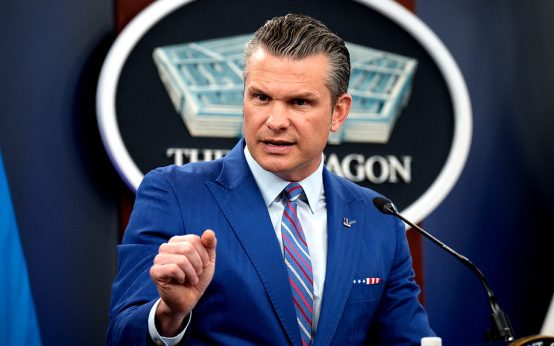 Pentagon Focuses on Foreign Election Threats Ahead of Midterms
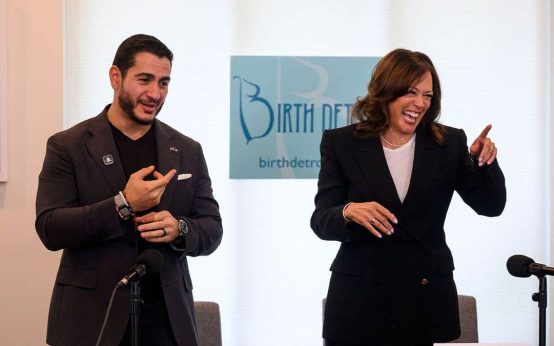 El-Sayed Faces Scrutiny over Family Background
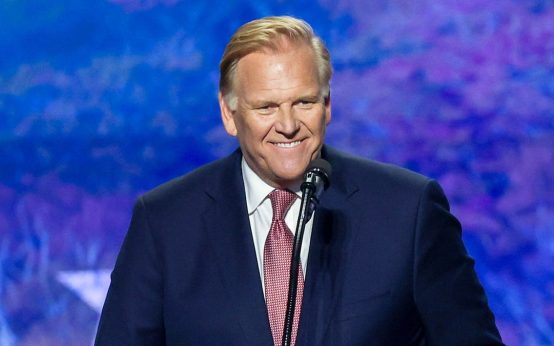 Campaign Speech by Dr. Abdul El-Sayed, Senate Candidate
 Voter Attitudes Toward Foreign Policy and the Iran Conflict
 Security Measures in the 2026 Midterm Elections