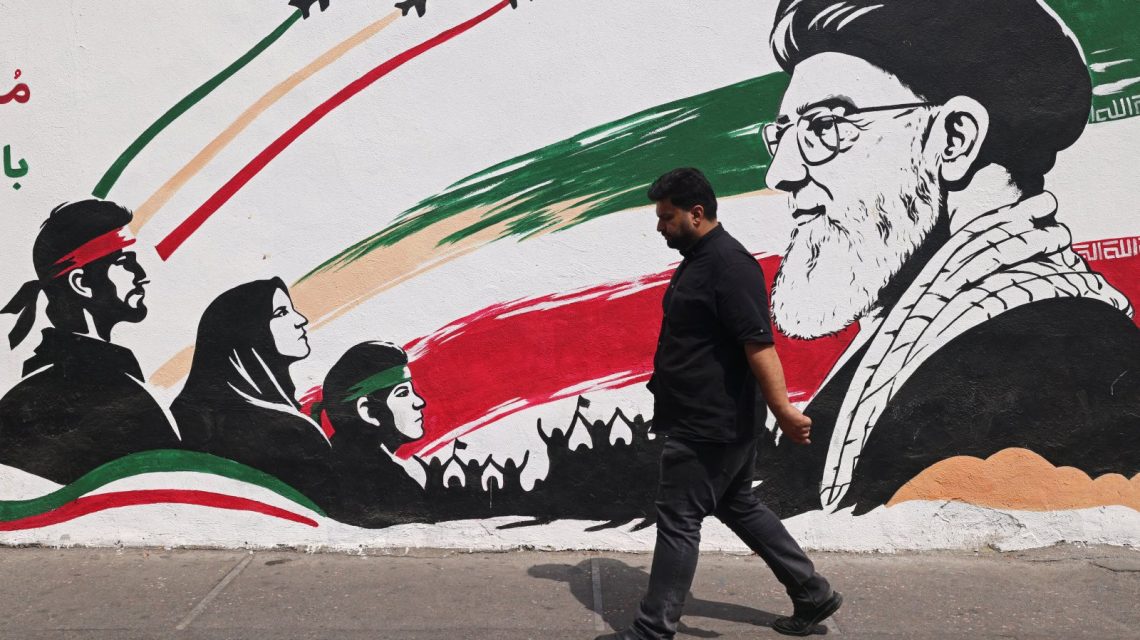
When the Trump administration launched Operation Epic Fury in late February, the expectation was for a swift and decisive outcome against Iran. This followed the success of Operation Midnight Hammer, which targeted Iran’s nuclear capabilities the previous summer. That effort involved overwhelming force and caused significant setbacks to Iran’s strategic capacities.
Now, six months later, the situation has evolved differently than anticipated. Iran’s regime has shown resilience, continuing to hold control domestically despite constant U.S. military pressure. Iran has also demonstrated its ability to impose costs on adversaries, particularly through its strategic use of the Strait of Hormuz.
The Current Focus
Initially, Washington aimed to dismantle Iran’s nuclear goals, degrade its missile capabilities, and curb support for regional proxies. Currently, the priority has shifted to ensuring the free flow of energy and commerce through the crucial maritime passage of the Strait of Hormuz.
The possibility of a durable understanding between Washington and Tehran regarding Hormuz remains uncertain. Moreover, maintaining the necessary political, economic, and military strategies to influence Iranian behavior long-term is in question.
Changing Strategies
Recent military engagements indicate the need for American policy makers to rethink their approach towards Iran. For years, the focus was on decisive solutions, such as nuclear agreements, military actions, regime change, or new diplomatic deals. The emerging reality, however, suggests a long-term strategic competition that must be managed rather than swiftly resolved.
The United States previously engaged in a similar scenario with the Soviet Union during the Cold War. This was not characterized by direct confrontations but rather a prolonged strategic contest across economic, ideological, and political realms.
Drawing Parallels
While the Cold War analogy is not perfect, given Iran’s lesser military and economic strength compared to the Soviet Union, there are parallels. Like the USSR, Iran’s political system relies heavily on conflict with the West. It invests heavily in strategic endeavors while facing economic challenges at home.
Adopting a Long-term Strategy
The Cold War experience taught the U.S. to compete with the Soviet system comprehensively. This involved containing Soviet expansion, restricting access to technology, supporting vulnerable allies, and orchestrating ideological challenges.
In Iran’s context, a similar approach is needed. Immediate goals should focus on deterring military actions and preserving navigation freedom in the Persian Gulf. Over the long term, continued pressure is required to drive potential political changes within Iran.
By developing a sustained, strategic plan—taking cues from past experiences with the Soviet Union—the U.S. can effectively manage the challenge posed by Iran. Washington must reconsider its approach and draft a playbook for ongoing competition with Tehran.
The views in this article reflect those of Ilan Berman, senior vice president of the American Foreign Policy Council.
 Uganda Withdraws from Invictus Games to Support UK Monarchy
  New Documentary Questions Canada’s Progressive Image
  Britain Takes Lead in Criticizing Israeli Settlements
  Ukraine’s Request for Additional $27 Billion Raises Questions in Europe
  Trump’s Map Fuels U.S.-Canada Tensions Amid Territorial Disputes
  Bishop Criticizes Concert Series at St. Paul’s Cathedral