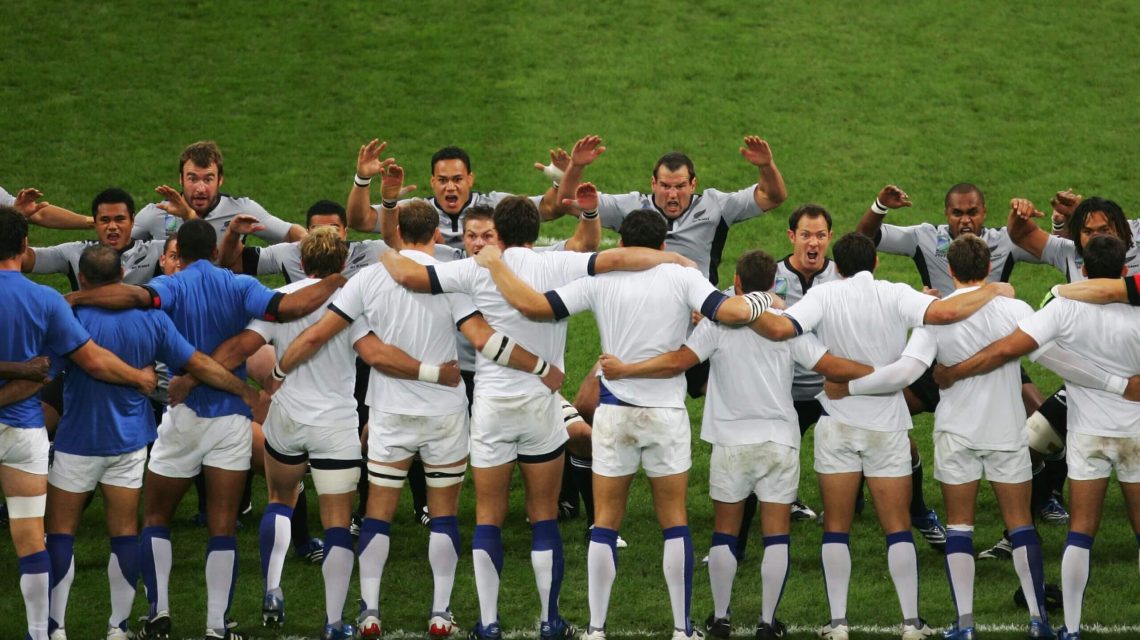
The haka is a well-known pre-game tradition performed by New Zealand’s rugby union team and other sports teams from the country. It is often seen as the iconic image of rugby itself, and spectators at M&T Bank Stadium in Baltimore will witness it firsthand when the All Blacks face South Africa in the final match of a four-Test series. This meeting marks the first time two of rugby’s most successful nations will compete on American soil.
Twenty years ago, the future of the haka was uncertain due to protests from rival teams claiming that New Zealand gained an unfair advantage by performing it before a match. Tana Umaga, a former All Black captain and current defense coach, recalled a time when the ceremony was considered a waste of time and lacked genuine understanding among the players.
To address this, Umaga consulted Maori elder Derek Lardelli for insights into the significance of the haka. Lardelli helped explain the connection between the bloodlines of ancestors and the empowering nature of the dance. Together, they developed a new haka called Kapa o Pango, which complements the traditional Ka Mate haka.
Umaga learned enduring lessons about unity and connection with the land. The lines of Kapa o Pango emphasize the idea of becoming one with the land and drawing strength from it. Introduced in 2005 against South Africa, this haka includes a move perceived as a throat-slitting motion but represents air being drawn into the lungs.
Scott Barrett, the current All Blacks captain, highlights the importance of Kapa o Pango in uniting players regardless of their cultural background, stating it is crucial for representing the team. The decision on which haka to perform is made by the leadership committee, with Kapa o Pango often reserved for major matches, such as the series against South Africa.
The haka has also been pivotal in the rivalry between these teams. Ma’a Nonu once performed a solo haka for respect, showing how significant the ceremony is for past and present players.
South Africa’s coach Rassie Erasmus, known for seeking any advantage, respects the haka’s emotional significance. Despite years of complaints about the All Blacks gaining an emotional edge, respect for haka has grown, seen as an honor to face.
Other teams have tried various responses to the haka over the years. Some have chosen to confront it, such as France’s symbolic gesture at the 2007 World Cup, while others staged incremental reactions. The outcome often favored the formidable All Blacks.
The International Rugby Board has introduced regulations to protect the haka, requiring teams to stay within their territory and maintain a minimum distance. This helps preserve the branding of this emotive element of rugby.
Fans in the stands have varied responses. Irish often sing Fields of Athenry, while English fans opt for their anthem. Erasmus recently requested fans not to disrupt the haka, primarily observed until the third Test in Soweto, yet South Africa still won that match.
Umaga sees any response as acceptable within limits, emphasizing the challenge and representation inherent in the haka’s performance. The tradition symbolizes cultural pride and the team’s ability to compete globally regardless of size.
 Team USA Women’s Basketball Coach Seeks Unity During World Cup
  Elena Rybakina’s Triumphant Victory at the U.S. Open
  World Ultimate Championship Highlights
 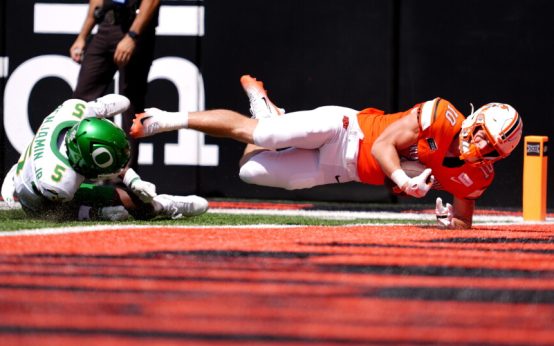 Oklahoma State’s Historic Upset Over Oregon
 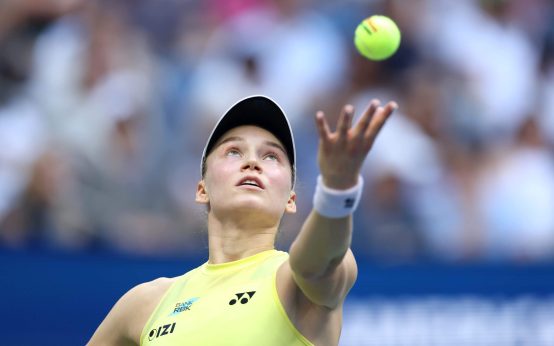 Elena Rybakina Triumphs in the 2026 U.S. Open Women’s Final
  Oklahoma State Upsets Oregon, Ending Winning Streak