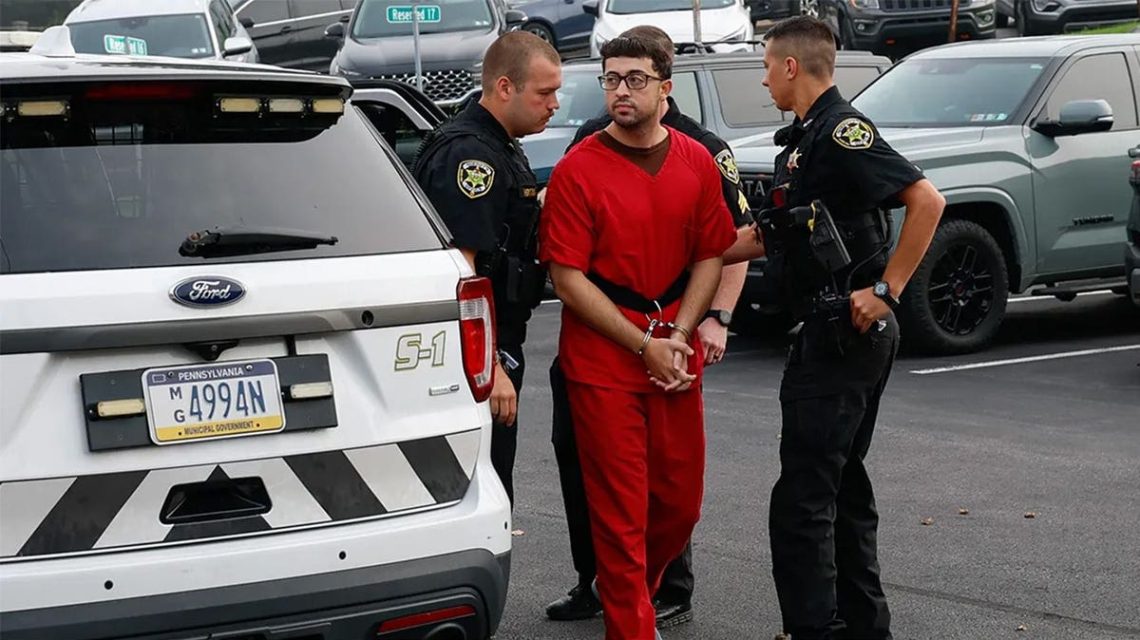
The recent Penn State fraternity cocaine bust has highlighted a disturbing trend across rural America: an increase in stimulant use among young people. Last month, the Pennsylvania State Attorney General announced the arrest of 14 men, primarily fraternity members, involved in an alleged extensive cocaine operation run from off-campus frat houses.
Court documents disclose that Agostino Abbatiello, 24, accused of being the mastermind behind the cocaine ring, was released on a $250,000 bail on September 2 after spending over two weeks in custody. As the case unfolds, Centre County Drug and Alcohol Administrator Catherine Arbogast has noted a growing demand for stronger stimulants among college students and the wider community.
Shift in Drug Preferences
Arbogast reported a shift from opiates and derivatives to a broader range of stimulants, including cocaine, Adderall, methamphetamines, prescription medications, and synthetics made in labs. In the Penn State case, fraternity pledges were allegedly forced to handle cocaine as part of initiation rituals.
Mixing drugs can pose significant risks, particularly when users are unaware of what they’re consuming. Drugs may contain stimulants, opioids, or combinations of both, leading to severe health consequences.
Nationwide Drug Trend
Arbogast stressed that this trend transcends college campuses, affecting rural communities statewide and nationally. Drug use, including stimulants and opioids, is not confined to urban areas but is prevalent across different regions.
Agostino Abbatiello is due for a court hearing on September 30. His attorney has been contacted for comments.
 A Survivor’s Battle Amid Parole Concerns for Convicted Rapist
 New Jersey Teacher’s Aide Facing Multiple Child Sex Crime Charges
 Indiana’s Scheduled Execution Amid Legal Concerns
 Supreme Court Reviews Colorado’s Preschool Funding Conditions
 Supreme Court Considers Religious Rights in Colorado Pre-K Case
 Raymond Wright Jr. Faces Life Sentence