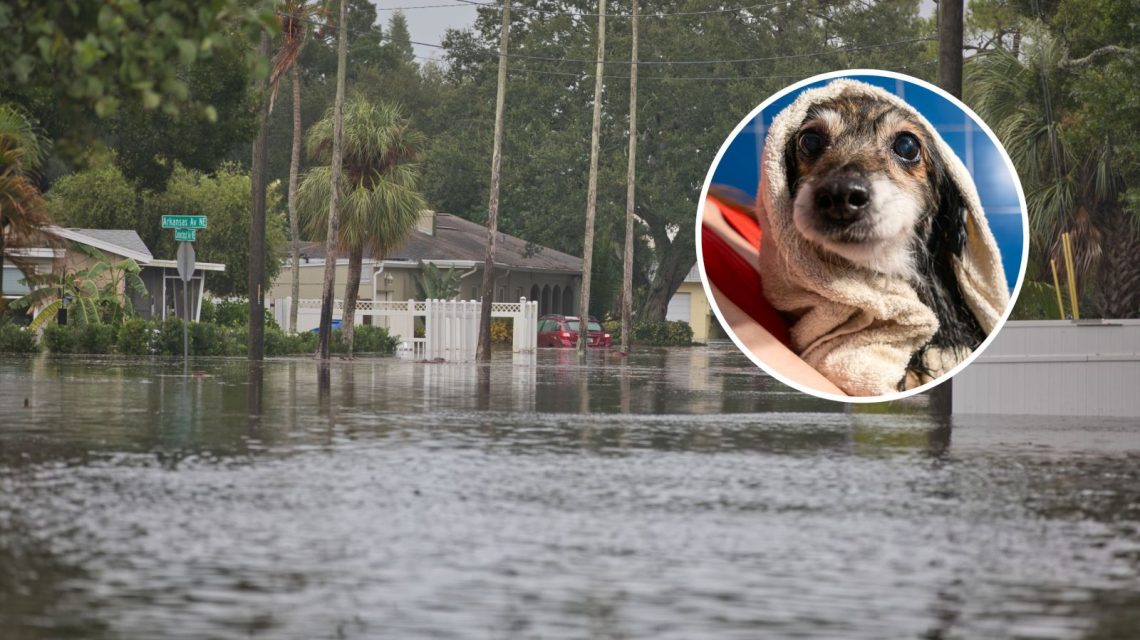
Pet owners should start preparing for a significant El Niño event predicted to affect the country this fall and winter. Those caring for livestock face unique challenges as wet and wintry weather approaches.
Understanding El Niño
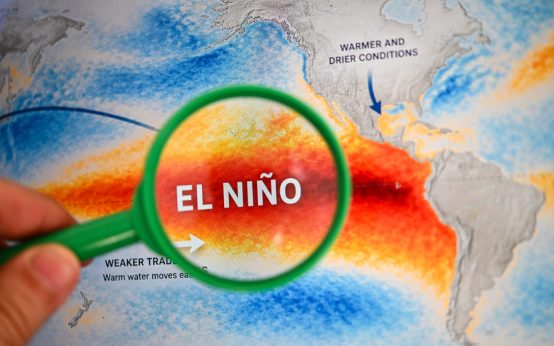
The latest forecast predicts the developing El Niño could reach peak strength toward the end of the year, with a 75 percent chance of achieving historic levels from October to December. As United Nations Secretary-General António Guterres stated, “The planet is in uncharted waters, and those waters are heating up.” El Niño involves unusually warm ocean temperatures in the central and eastern tropical Pacific. This affects weather patterns globally. In the US, El Niño winters are generally wetter in the southern tier, including California, while the northern tier tends to be warmer and drier. Animal owners should anticipate the specific risks expected in their region.
Preparing Livestock for Winter
Readying cattle for a possible wet and cold winter requires a different approach than preparing domestic pets. Cody Deluisio, herd manager at Deluisio Angus in Pennsylvania, explains that cattle rely on their diet to maintain warmth. “Cattle’s internal furnace is powered by digesting roughage,” he says. Wet coats mean cattle lose insulation; owners may need to provide extra feed or shelter. Deluisio Angus plans to have 30 percent more hay available this year in anticipation of winter.
Managing cattle involves ensuring adequate food and environment rather than housing them indoors. Wet conditions lead to mud, posing risks like injuries or hoof rot. Owners must manage heavily trafficked areas using mats or concrete, and ensure proper drainage to keep the pasture dry. Wind protection is crucial. While heated barns might appear ideal, they can lead to respiratory issues. Deluisio recommends three-sided sheds that offer ventilation while shielding cattle from wind and rain. “Even on the coldest days, a windbreak can make it feel significantly warmer,” he notes.
Pet Preparation
Preparation for household pets is more straightforward but requires planning. Ali Smith, a canine behavior consultant at Maven, suggests actions based on regional risks. In areas prone to heavy rain, owners might set up indoor potty areas. In flood or landslide-prone regions, a structured emergency plan is vital. Owners should know safe locations for themselves and their pets, and make sure they have enough emergency supplies, like food, water, and prescriptions. Important documents like identification and veterinary records should be accessible for potential evacuations.
Smith emphasizes that cat owners should get cats used to carriers. This is crucial during emergencies. Additionally, dogs need secure leashes and harnesses. Standing or floodwater, contaminated with sewage or pollutants, can pose hazards to pets. Planning where to take your pet if you need to evacuate reduces stress during emergencies. Identify pet-friendly hotels, boarding facilities, or family members in advance.
El Niño’s weather patterns will differ by location. The pattern does not guarantee severe weather for every community, but preparing for the conditions that might occur can simplify managing an unpredictable winter.
 Ancient Ring Sparks Debate Over Connection to Pontius Pilate
  El Niño Expected to Strengthen: What to Expect This Winter
  Atlantic Basin’s Potential Hurricane-Free Season
  Nuclear Waste Concerns at San Onofre: Coastal Erosion and Long-term Solutions
  Progress and Challenges of the Marquette Greenway Trail
  Record Quiet Hurricane Season in the Atlantic Due to El Niño