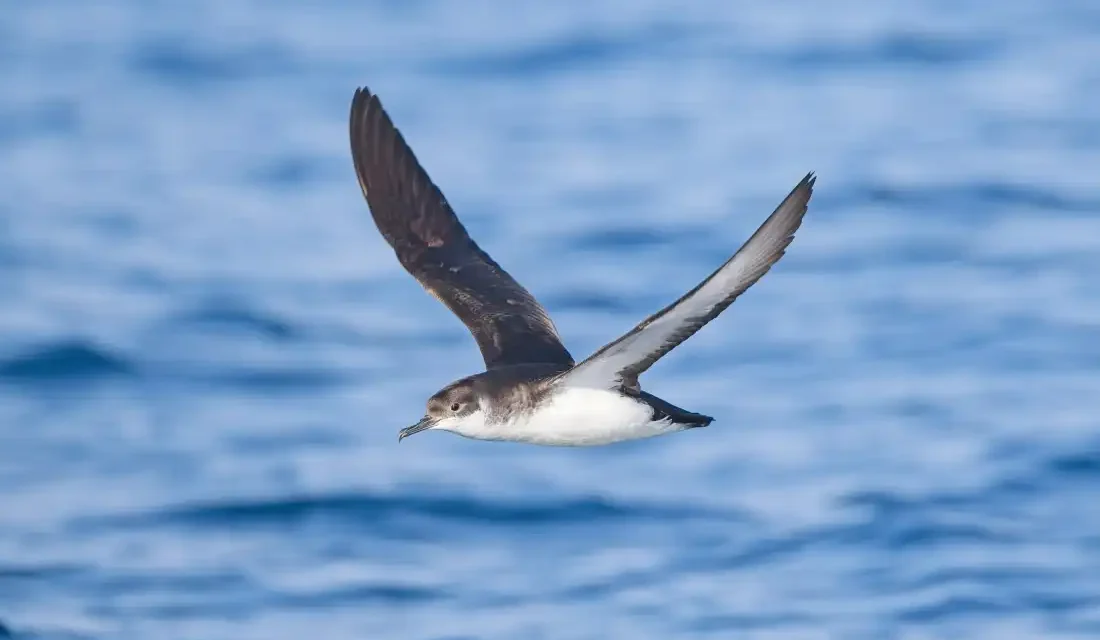
Research has shown that Manx shearwaters, a type of seabird, may experience navigation difficulties akin to jet lag. A recent study in the journal Science revealed these birds become disoriented during lengthy flights across the Atlantic.
This disorientation is linked to their internal clocks not aligning perfectly with the sun’s position. The study highlights that Manx shearwaters use the sun as their primary navigational aid. As they fly across time zones, their internal sense of time can become misaligned, causing slight deviations in their routes.
Life of Manx Shearwaters
Manx shearwaters are prevalent across the British Isles. Although they resemble seagulls, they share a closer relation to albatrosses, according to Patrick Lewin, a behavioral ecologist from the University of Oxford. These birds exhibit lifelong mating habits, with pairs laying one egg each breeding season. Partners alternate in incubating this egg while the other ventures out to sea.
Dutiful hunters, these seabirds traverse the North Atlantic in search of fish and squid. Their journeys often span several hundred miles. Upon replenishing their reserves, they quickly return to their colonies, sometimes within a single day.
Navigation and GPS Tracking
To investigate if these birds experience navigational disruptions similar to human jet lag, researchers, including Lewin, have employed GPS trackers over a span of 20 years. These devices collect extensive flight data.
Lewin noted that Manx shearwaters navigate using the sun’s position, requiring knowledge of the time of day. Deviations were recorded when the birds hurried back to their nests, sometimes veering off by as much as seven degrees. On a journey of 600 miles, this error resulted in minor detours.
Alice Boyle from Western University, Canada, praised the study for its insights into animal navigation. She emphasized the value of understanding how creatures like Manx shearwaters navigate vast, remote environments using GPS technology.
 Importance of Addressing Pollution in Virginia’s Waterways
 Setback in the Search for Amelia Earhart’s Missing Plane
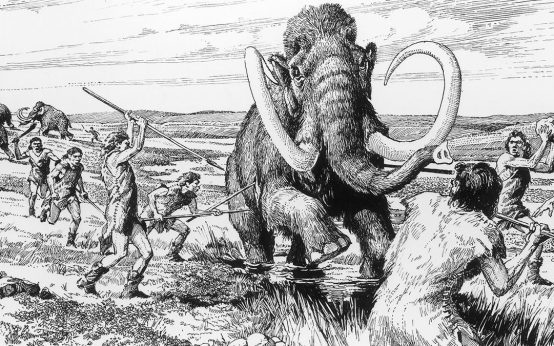 Researchers Redefine Early Human Migration Timeline in North America
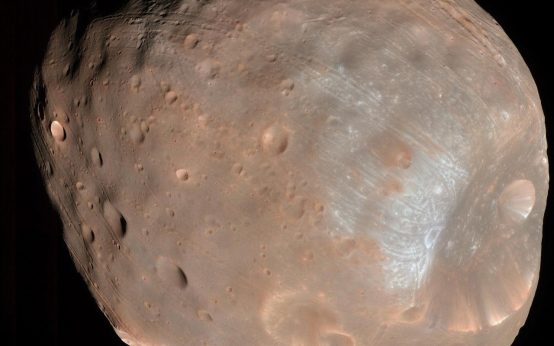 Japan’s Mission to Explore Mars’ Moons
 Cancer Cells’ Response to Confinement
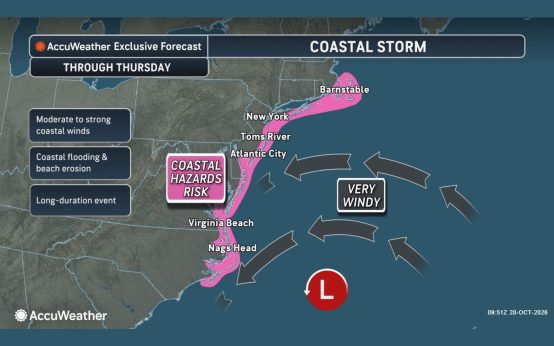 Nor’easter Threatens East Coast with Strong Winds and Coastal Hazards