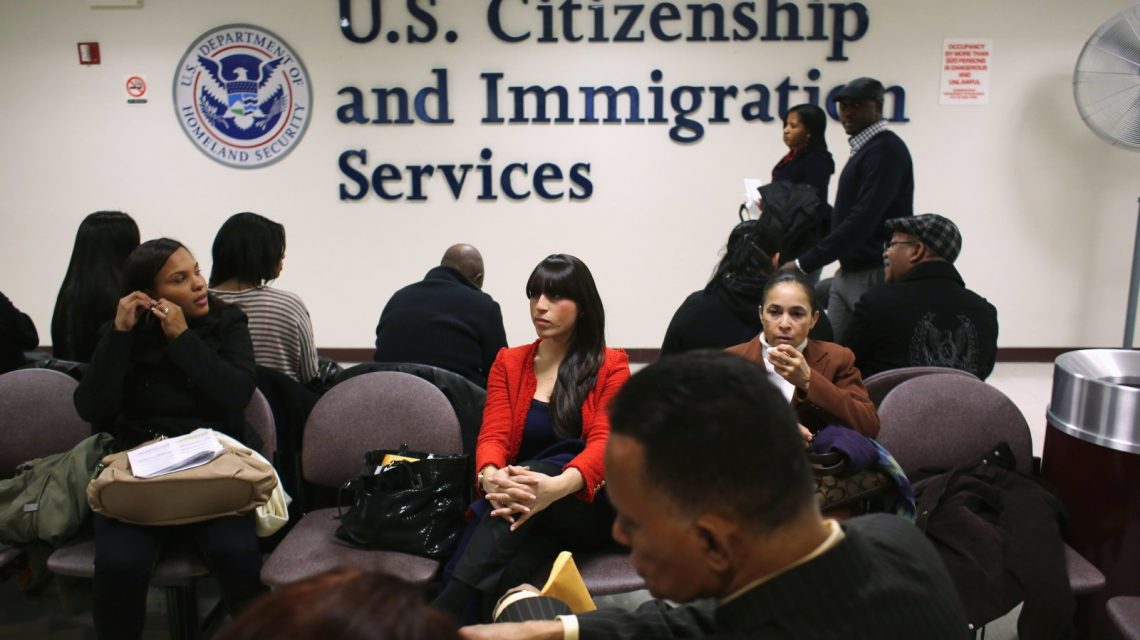
Green card applicants, international students, and visa seekers are facing a crucial period as the U.S. administration introduces significant updates to the immigration system. These changes involve new immigration forms effective from September 15 and September 18, an altered public-charge framework for some green card applicants, and the expected release of the October Visa Bulletin. This bulletin is a key immigration update as it marks the start of a new fiscal year.
Timing and New Fiscal Year
The timing is particularly relevant as the government prepares to start fiscal year 2027 on October 1. This marks a reset in annual immigrant visa allocations and new visa numbers becoming available. For many applicants, the changes happening at this time will be pivotal.
Updated I-539 and I-765 Forms
One of the significant changes becomes effective on September 15, with the Department of Homeland Security (DHS) enforcing a new admission framework for certain F, J, and I nonimmigrants. Simultaneously, U.S. Citizenship and Immigration Services (USCIS) will require new editions of Form I-539 and Form I-765. Form I-539 allows eligible nonimmigrants to extend or change status, while Form I-765 is used to apply for employment authorization.
USCIS will not accept older editions after September 15, with no grace period given. The updates result from a DHS final rule replacing the “duration of status” system for F students, J exchange visitors, and I foreign media representatives. Previously, F-1 students were admitted for the duration of their status without a specific expiration date. Now, nonimmigrants will receive a defined admission period, with options to request extensions if needed.
I-485 Form Update
Another key change is set for September 18, as USCIS will mandate a new edition of Form I-485, used by immigrants seeking lawful permanent residence through adjustment of status. Older editions will be rejected if submitted on or after September 18.
The revised form requires changes in the information applicants provide as part of the adjustment-of-status process. However, this revision does not alter the eligibility requirements for adjustment of status.
The deadline is crucial for applicants preparing for adjustment-of-status filings. Those filing on or after this date must use the updated form.
New Public Charge Rules
The Department of Homeland Security will implement a new public-charge rule on September 18, replacing the 2022 regulations. This change grants immigration officers more flexibility in determining if an applicant is likely to become a public charge under U.S. immigration law.
The regulation affects applications for admission and adjustment-of-status applications submitted on or after September 18. Benefits received prior will be considered under the former 2022 guidelines.
Officers will assess an applicant’s overall circumstances in public-charge evaluations. Factors considered include age, health, family circumstances, financial resources, education, skills, and public benefits received.
Receiving a public benefit does not automatically render an applicant inadmissible. The assessment is individualized, as outlined in U.S. immigration law. Specific policy guidance effective September 18 will govern adjustment-of-status cases.
For some applicants, the date marks a regulatory distinction, as applications submitted then will fall under the new framework.
Stephanie Lewin, a partner at Waypoint Immigration USA, commented on the stringent policy changes: “Applicants should be prepared to provide substantial evidence to demonstrate they will not become a public charge as stricter scrutiny will apply.”
Immigration attorneys highlight the expanded discretion given to officers reviewing applications as a key aspect of the new rule.
Poonam Gupta, principal attorney at Summit Legal PLLC, stated, “Under prior rules, U.S. citizen children’s benefits generally didn’t count against the parent. Now, officer discretion means that a family’s total financial picture can indirectly influence decisions.”
Gupta added, “The change isn’t solely about which benefits count—it’s about analyzing entire household situations and public benefit use.”
October Visa Bulletin Anticipation
The State Department is poised to release the October Visa Bulletin soon, starting fiscal year 2027. This bulletin is vital as it resets annual immigrant visa allocations, presenting new opportunities for employment-based and family-sponsored categories.
The bulletin sets priority-date cutoffs for immigrant visa categories. USCIS separately determines whether applicants can use the Dates for Filing or Final Action Dates chart.
The October bulletin is closely monitored due to the reset of annual visa limits, potentially resuming visa issuance in categories previously capped.
 Sen. Tom Cotton Opposes Year-Round Daylight Saving Time Amid Trump Pressure
  Pressure Mounts on Democratic Governors to Join Trump’s Federal Scholarship Program
  A Meeting with Steve Hilton’s Vision Amid California’s Political Dynamics
 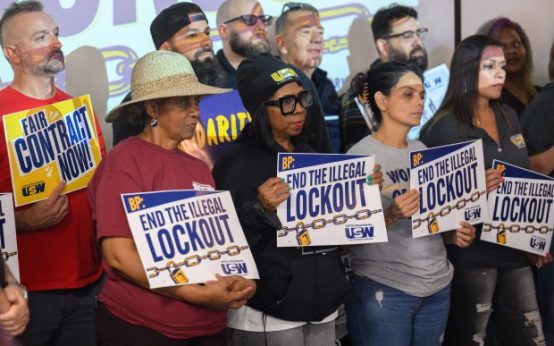 BP Lockout Spurs Push for Indiana Legislation on Unemployment Benefits
  Urgent Reforms Needed in Republican Nomination Process
  Debate Heats Up Over Permanent Daylight Saving Time