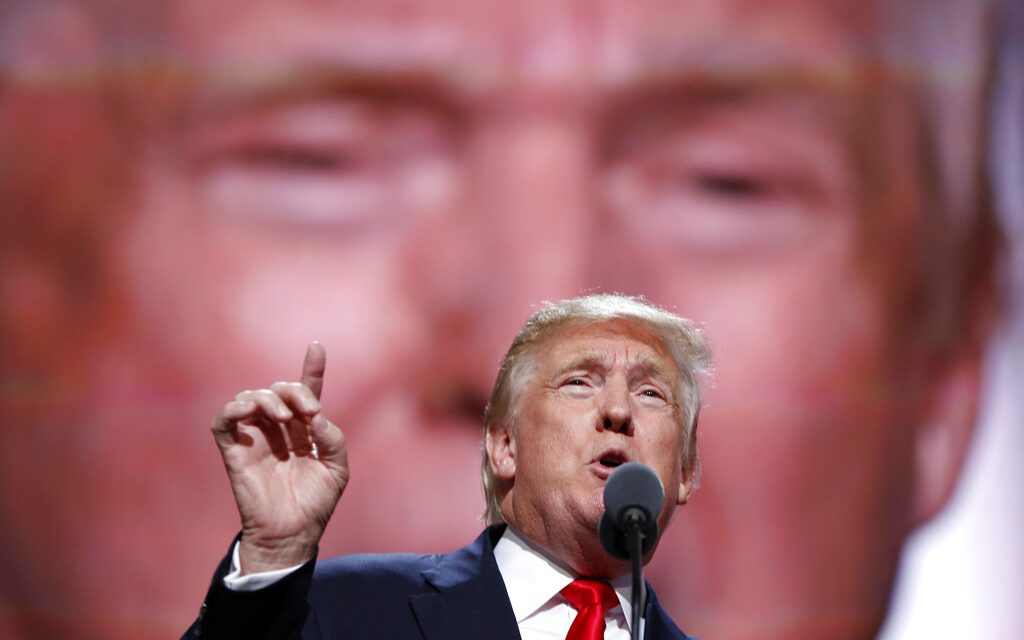
Donald Trump accepted the Republican Party’s nomination for president in 2016 with a speech depicting an America in decline. His message focused on his unique ability to rectify the situation.
The unchecked powers of the presidency are influenced by special interests guiding Republican nominations. Personal agendas often overshadow the selection of candidates committed to the rule of law and the Constitution. Immediate reforms are required to prevent America from falling into populist tyranny, a significant concern for the Constitution’s Framers.
Shifts in Nomination Control
Nomination control has changed since the 1970s. Previously, party officials aimed to win general elections with experienced candidates. Now, smaller, ideologically unrepresentative groups focus on their narrow agendas. The low turnout for direct primaries allows specific factions, like evangelicals and opponents of immigration, to control convention delegates who select presidential candidates.
These changes challenge the Constitution’s design to filter public sentiment and shield officials, particularly presidents. Alexander Hamilton noted the Electoral College aimed to select individuals with ability and virtue while avoiding those prone to intrigue and corruption.
The Rise of Trump
Trump’s victory in the 2016 nomination involved gathering less than 40% in early primaries. Despite the moderate or liberal self-identification of two-thirds of general election voters, Trump’s candidacy prevailed. His disregard for the rule of law was overlooked by Republican primary voters and in the general election due to strong party loyalty and opposition to Democrats.
Expansion of Presidential Powers
Presidential powers have expanded, allowing unilateral action in domestic and international matters. This power escalation occurred with limited party vetting. Historically, parties eliminated candidates unfit for governance. However, Trump’s rise, driven by narrow factions, resulted in unchecked presidential powers.
Need for Nomination Process Reform
To prevent unsuitable candidates, the nomination process requires reforms. Both parties need changes, but Republicans, lacking insider checks, face urgent demands. Restoring a significant portion of unpledged delegates is a crucial first step. Previously, unpledged delegates could vote independently of primary results, but by 2016, they constituted only 6.9% of delegates.
Reforms should allow primary voters to remain influential while granting party leaders the power to redirect misaligned nominations. Critics may argue these reforms undermine democracy, but primary voters will continue to play a central role. In cases where candidates threaten policy and constitutional norms, leaders must use their delegates to steer toward suitable alternatives.
If these changes are not implemented soon, the nomination of another problematic candidate is likely by 2028.
Lawrence R. Jacobs is the Walter F. and Joan Mondale Chair for Political Studies and director of the Center for the Study of Politics and Governance at the University of Minnesota’s Humphrey School of Public Affairs. He has authored or edited 19 books on American politics.
Copyright 2026 Nexstar Media Inc. All rights reserved. This material may not be published, broadcast, rewritten, or redistributed.
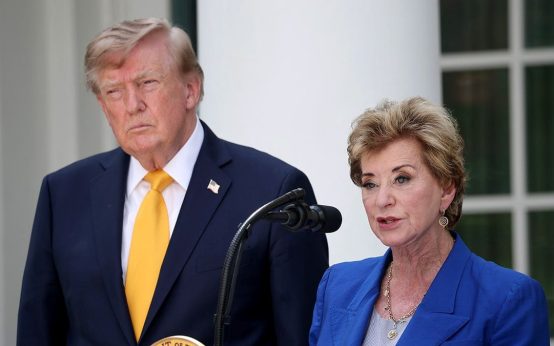 Pressure Mounts on Democratic Governors to Join Trump’s Federal Scholarship Program
  A Meeting with Steve Hilton’s Vision Amid California’s Political Dynamics
 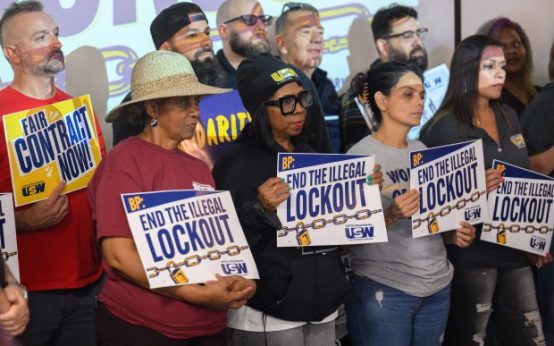 BP Lockout Spurs Push for Indiana Legislation on Unemployment Benefits
  Debate Heats Up Over Permanent Daylight Saving Time
  Controversy Erupts After Tucker Carlson Questions Britain’s WWII Decision
  Sharon Stone Discusses Abortion and Women’s Health on Podcast