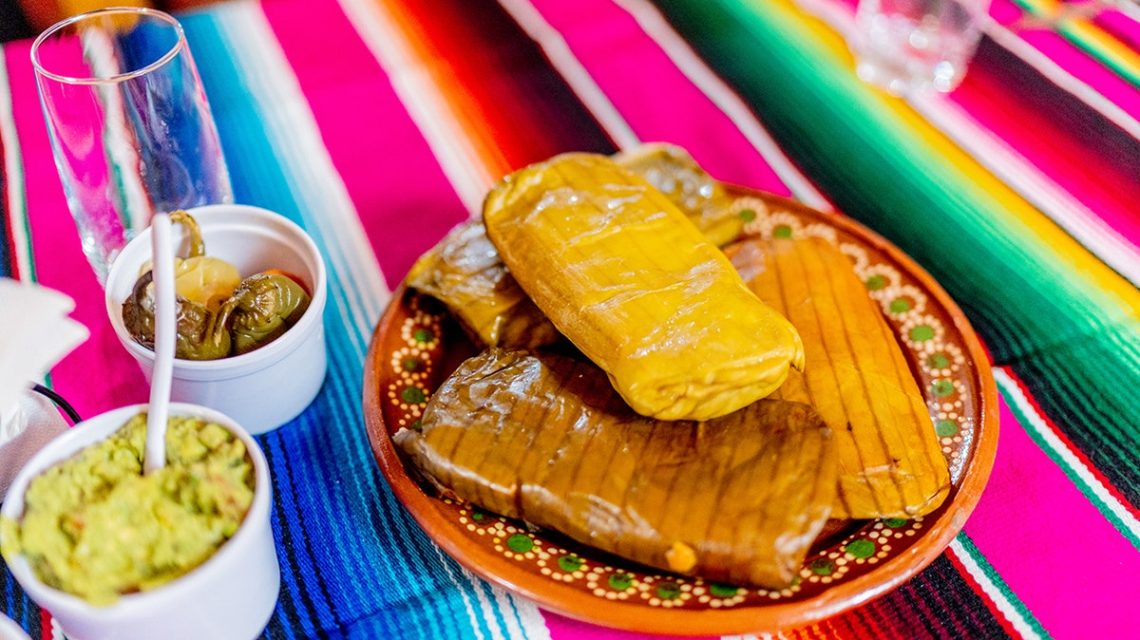
Tamales used to be a common item on Mexican restaurant menus in the United States, alongside beloved dishes like tacos, burritos, and enchiladas. However, diners may find it increasingly difficult to locate tamales on such menus today.
According to Technomic’s Ignite Menu data, tamales have witnessed a 7.8% decline on menus over the past five years when comparing the second quarters of 2021 and 2026. A primary reason for this decrease may be the labor-intensive process required to produce them, coupled with the relatively low price diners are willing to pay.
Robert Mahon, director of operations for Mahon Hospitality Group which operates Amor Loco and Toro Loco in New York City, acknowledged the complexity. Although Mahon enjoys tamales, his restaurants have debated but ultimately chosen against offering them.
“Even though the ingredients might not be so costly, it’s more the labor,” Mahon said. “It’s so labor-intensive.”
This labor-intensive nature becomes evident at Taquería Picoso in Alexandria, Virginia, where executive chef Elio Gomez retains tamales on the menu. Gomez’s process spans about three days, starting with sourcing corn from Mexico and using an overnight nixtamalization technique. The corn is then ground into masa. Meanwhile, fillings and banana leaves are prepared. The masa requires mixing with fat, broth, and salt while ensuring the right texture before assembling, wrapping, and cooking the tamales.
Training someone for this intricate process requires time. Gomez noted he spent months mentoring an employee to achieve mastery in producing tamales. Even with a precise recipe, a cook must understand the desired texture of the masa and proper wrapping technique to prevent the tamales from drying out.
The effort involved in making tamales does not necessarily equate to high demand. Gomez stated that the demand doesn’t match that of tacos. Mahon added that customers at his restaurants do not expect tamales as a staple.
Additionally, pricing presents challenges. Gomez charges $6 for each tamale, highlighting the cost-effectiveness relative to the labor involved. However, some customers recall less expensive options from the past.
Despite their shrinking presence on menus, tamales continue to hold cultural significance. Gomez, originally from Mexico City, views tamales as once-routine morning meals sold by street vendors. In the U.S., they are often seen primarily during holidays and family gatherings.
“You feel like you’re getting a hug when you’re eating a tamal,” Gomez expressed.
The sentiment and nostalgia surrounding tamales endure, even as their availability on menus diminishes.
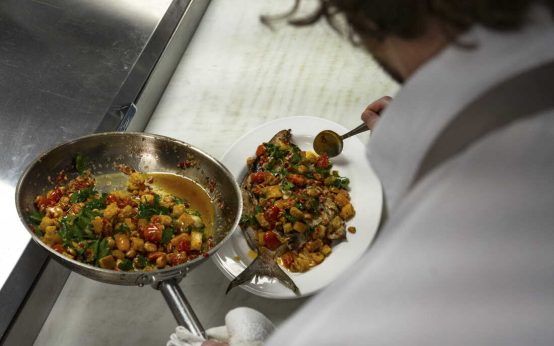 Music, Culinary Heritage, and the Legacy of Bayou Bar
  Las Vegas Tourism and Economic Shifts in 2025
 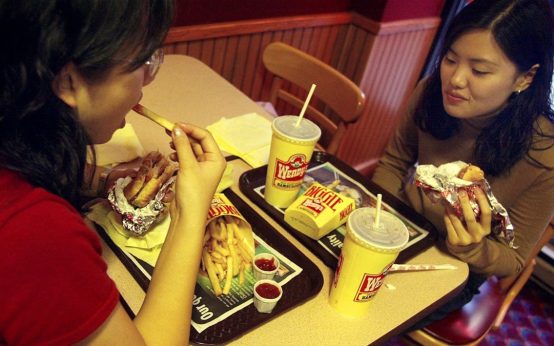 Wendy’s Revives Nostalgic Yellow Packaging
  Diary of a Senior: Letting Go of Old Habits
 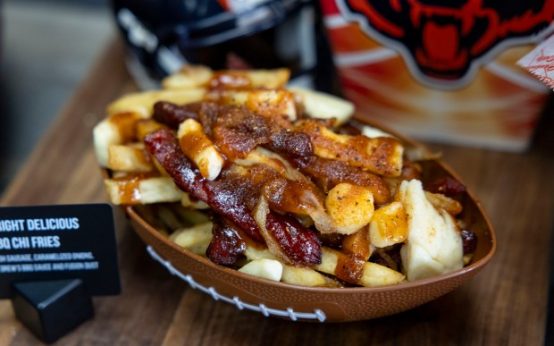 Soldier Field Introduces New Culinary Delights for Chicago Bears Fans
  Impact of ‘Food Divorce’ on Relationships