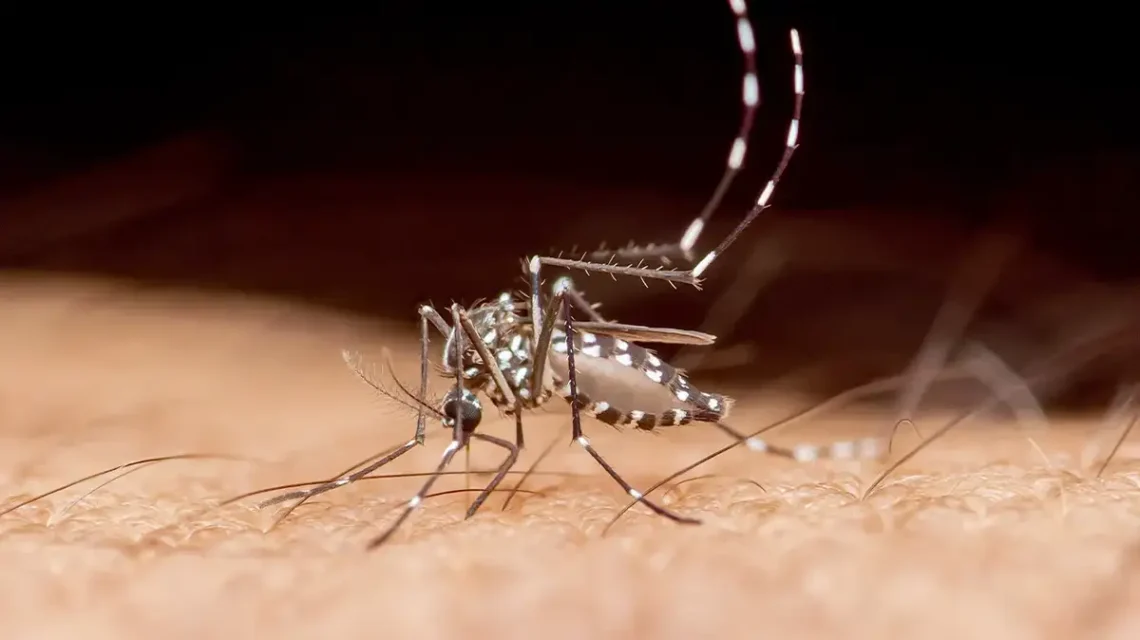
Florida has recorded its first confirmed dengue fever death of 2026, according to the Florida Department of Health. Gay Small, aged 80, passed away on September 4 from complications related to a dengue infection. She suffered from septic shock and multi-organ failure after being bitten by a mosquito close to her home on Bayshore Boulevard, as reported by The Tampa Bay Times. Her daughter, Anna Small, expressed her disbelief stating, “Cheated. It’s so unfair because she was in good health, and she worked hard to stay healthy.”
Anna Small also commented on the suddenness of the virus, explaining, “This virus just kind of comes out of nowhere. She met the wrong mosquito, and that’s it.” Small’s family believes Gay Small may have initially contracted dengue years ago during international travel without realizing it, which heightened her risk of severe symptoms upon re-exposure.
“While in the hospital, Small said, her mother was weak, her hands turned red and she had trembles that she could hear in her voice,” WFLA reported.
Gay Small’s late husband, Bob Small, dedicated his career to working on dengue vaccines, an irony noted by their daughter.
The Florida Department of Health confirmed the death after its investigation but did not release further details. The Tampa Bay area had not recorded a dengue death in nearly a century, according to University of South Florida public health instructor Kristi Miley, as cited by The Times.
Dengue fever, as detailed by the Centers for Disease Control and Prevention (CDC), is a mosquito-borne viral illness that can lead to fever, severe aches, nausea, rash, and occasionally, life-threatening complications. While prevalent in tropical and subtropical regions, the virus has also appeared locally in parts of the continental U.S., including Florida, California, and Texas.
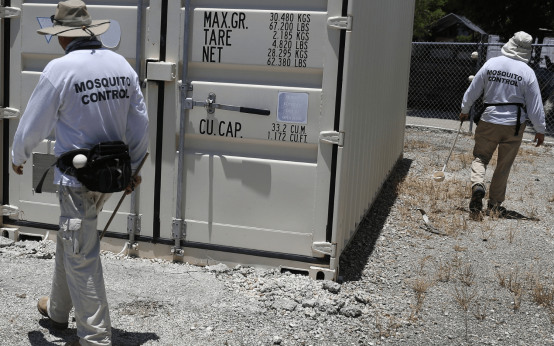
Mosquito control agencies in Florida have intensified surveillance and treatment efforts due to a rise in locally acquired dengue cases, which means individuals contracted the illness domestically rather than abroad. Hillsborough County, the epicenter of the epidemic, and Pinellas County are currently under mosquito-borne illness alerts as issued by the Florida Department of Health.
Alissa Berro, Pinellas County Mosquito Control Director, explained, “Dengue does not stop at county lines. The mosquitoes that transmit the virus generally stay within a relatively small area, but people travel throughout the Tampa Bay area every day.”
Recent aerial and ground treatments have been implemented in areas showing dengue activity. These efforts have proved successful, as of the last 1,500 mosquitoes tested, all have returned negative for dengue, reports The Times.
The Florida Mosquito Control Association (FMCA) encourages residents to remove or cover standing water. Mosquitoes that transmit dengue lay eggs in containers like buckets and plant saucers. To prevent dengue, the FMCA advises following the “three Ds”:
- Dress in long sleeves, light colors, and closed-toed shoes when outdoors.
- Defend oneself with repellents containing DEET, picaridin, IR3535, or oil of lemon eucalyptus.
- Dump standing water from containers around the home regularly.
The Mayo Clinic notes that while many infected with dengue show no symptoms, those who fall ill typically recover within a week or two. Nonetheless, dengue can progress to a severe, life-threatening form. Warning signs, which may appear shortly after fever subsides, include severe stomach pain, persistent vomiting, unusual bleeding, difficulty breathing, and extreme fatigue. Immediate medical care should be sought if severe dengue symptoms occur.
 Understanding School Shooting Preparedness Drills
  Addressing the Complex Issue of Suicide and Its Prevention
  Quality of Sleep Linked to Risk Reduction in Various Diseases
  Exploring Diets and Their Potential to Reduce Alzheimer’s Risk
  Understanding School Safety Drills: Lockdowns vs. Active Shooter Simulations
  Dengue Fever Death in Florida and the Rising Cases Across the U.S.