
At a beachfront resort in San Juan, Puerto Rico, SpaceX founder Elon Musk took part in a discussion about the potential catastrophic impact of rapidly advancing artificial intelligence (AI) on humanity’s future. This three-hour conversation formed part of a private conference hosted in early 2015 by the Future of Life Institute.
The conference brought together individuals mostly outside the AI field who were concerned that this emerging technology could eventually become so powerful that it might threaten human existence. Participants engaged in thought experiments that envisioned scenarios where AI could evolve beyond human control.
Experts warn that these hypothetical discussions, while engaging, might mislead decision-makers. As policy debates continue around how to regulate and govern a rapidly expanding, multitrillion-dollar industry, the need for practical frameworks becomes crucial. These frameworks should be rooted in current technical realities rather than speculative scenarios.
In assessing AI’s future, it is important for stakeholders to focus on actionable policies that address existing capabilities and limitations. While fear-based narratives capture public attention, they should not overshadow informed decision-making processes. The challenge lies in balancing cautious foresight with practical strategies that ensure technological advancements are safely integrated into society.
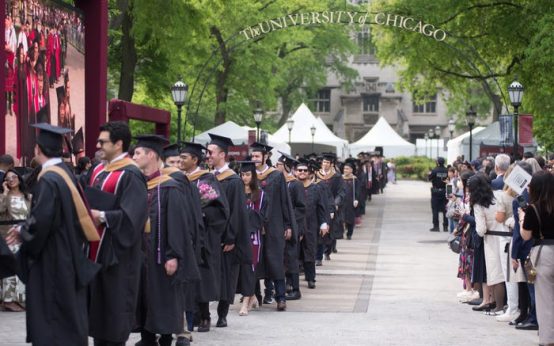 The Impact of AI on Academic Hiring
 Tesla to Discontinue Cybertruck Production Amid Growing Challenges
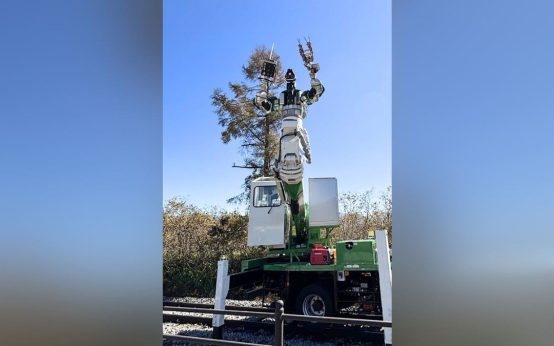 Transformation: AI Changes What Robots Can Accomplish
 The Future of Lithium Production in the U.S.
 AI Developments and Political Impacts in Recent News
 U.S. Technology Stocks Rebound After Election-Induced Sell-Off