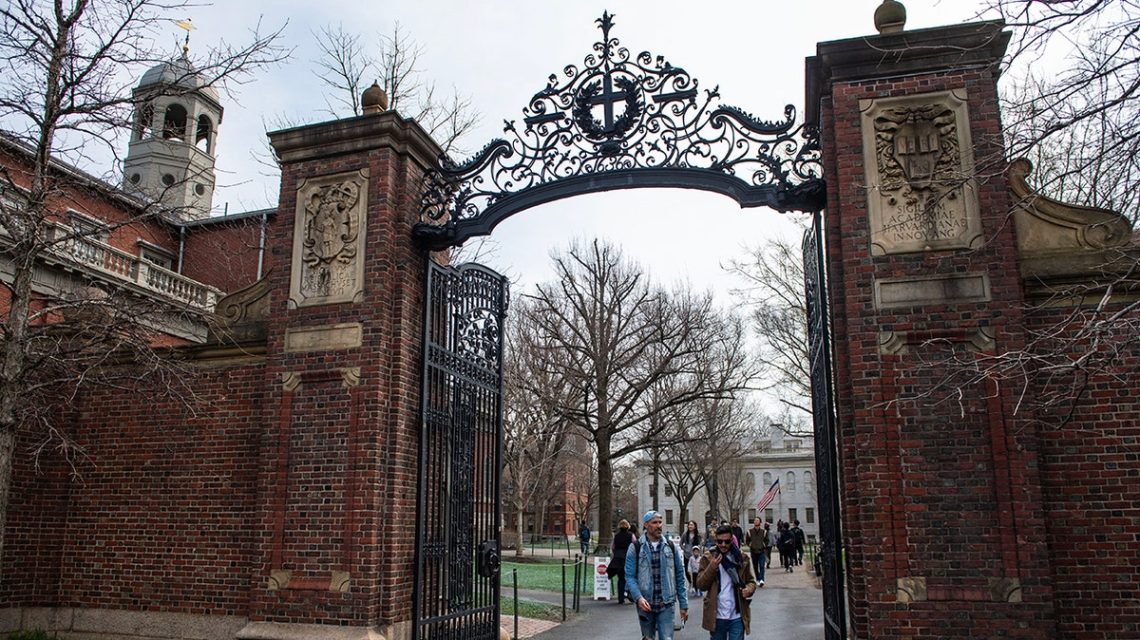
The debate surrounding the integration of artificial intelligence into various sectors has raised questions about job security in certain industries. The adoption of AI in admissions offices at colleges and universities is one area of interest. This shift might affect employment, as AI can efficiently handle tasks traditionally managed by staff in these offices.
A study by the College and University Professional Association for Human Resources in April 2023 examined 12,042 admissions employees across 940 institutions. The average number of admissions staff at each institution exceeded twelve. With over 4,000 degree-granting institutions in the U.S., it’s reasonable to estimate around 40,000 positions potentially impacted by AI. Though not all jobs will be eliminated, AI presents opportunities for cost savings.
Admissions processes rely heavily on numerical data and written documentation, such as test scores, GPAs, essays, resumes, and recommendations. AI can accurately sort and evaluate these components quickly. Its capabilities include assessing resumes for truthfulness and originality in essays.
AI is not solely a problem—it provides solutions and efficiencies in existing processes.
Beyond academic assessments, AI can weigh other factors like geographic diversity, life challenges, and financial backgrounds. Federal law and Supreme Court precedents restrict cultural characteristics such as race, ethnicity, and religion from affecting admissions. However, attributes like athletic skills, legacy status, and musical or theater talents remain relevant.
AI’s role extends to ensuring transparency in admissions processes, helping schools safeguard against legal challenges concerning prohibited criteria. Colleges must consider factors beyond academic performance, such as tuition affordability, career prospects post-graduation, and potential alumni contributions.
Network effects and institutional reputation also shape admissions. AI can adapt to evaluate factors like work experience and first-generation college status, which are predictors of future success.
Recent years have seen admissions processes scrutinized for bias and controversial criteria use. AI’s objectivity could address these concerns, fostering transparency. An AI-driven, parallel admissions system could offer valuable insights when compared to traditional methods.
While AI poses challenges to the current workforce in admissions offices, it promotes a shift toward objective data analysis. Colleges might benefit from implementing AI alongside current practices, exploring the results through comparative analyses.
 Preparing Students for an AI-Shaped Workforce
 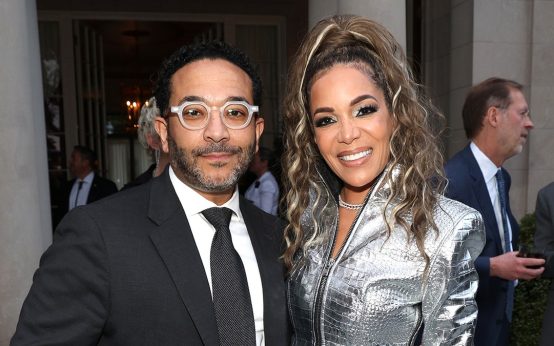 Concerns Over Racism and School Funding Inequality Discussed by ‘The View’ Co-Host
 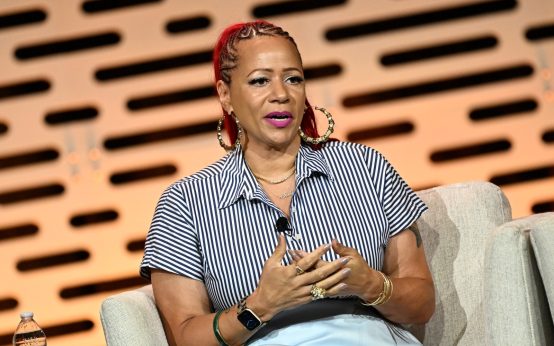 Nikole Hannah-Jones’ Reflection on School Integration and the Impact on Her Daughter
  Congressional Inaction Amid AI Concerns
  Understanding School Shooting Preparedness Drills
  Rising Demand for Data Centers Driven by AI Development