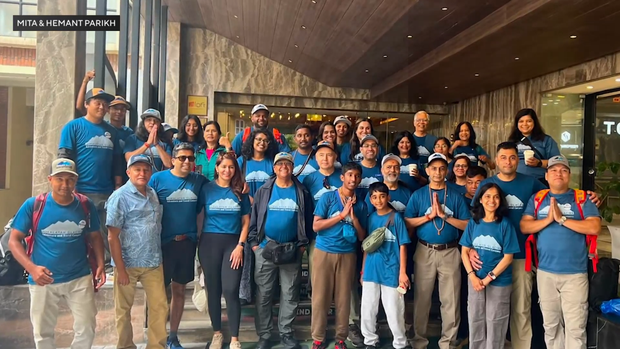
On September 22, 2026, a transformative journey concluded with a Suwanee couple returning safely after a disastrous flash flood in the Himalayan region. Mita and Hemant Parikh had been on a spiritual pilgrimage to Mount Kailash in Tibet, a journey planned over 15 years. They were part of a group of 47 people. Weeks after the flood, no trace of the missing families and seven guides has been found.
The Parikhs spent the past month reflecting on how a seemingly ordinary decision changed their fate. “We ask each other every day, ‘Why did we choose this way?'” Mita shared. Despite their long preparation, an unexpected opportunity altered their course.
Mount Kailash, high in the Himalayas, holds great spiritual significance in Hinduism. Mita and Hemant joined families from around the world, forming connections with strangers through activities and shared experiences.
As part of their journey, Mita and Hemant made plans to visit friends post-pilgrimage. Yet, an unanticipated decision led them to Lhasa and Everest Base Camp before they were to regroup with others.
Such spontaneity was unusual for them. “Typically, we would argue over spending on such trips,” Mita explained. Yet, they both felt compelled to make this addition. Hemant longed to see Mount Everest, the world’s highest peak, though climbing it was out of reach.
They traveled with a guide amidst forecasts of heavy snow but witnessed clear views of Everest. They prepared to rejoin their fellow travelers in Saga. However, a devastating flash flood ravaged the valley where their group was staying.
Initially, they underestimated the situation’s severity. “Our guide mentioned a flood, which sounded common,” Hemant recalled. Little did they know the catastrophe’s magnitude. At the Everest Base Camp, their silent phone had missed numerous urgent messages from family, inquiring about their safety.
The Parikhs believed their group was delayed. They grappled with language barriers and minimal news access as they sought answers. Ultimately, Mita and Hemant’s separate decision saved their lives. Upon returning to the anticipated rendezvous point with no response, they realized the devastation’s extent.
The tour operator’s helicopter survey revealed the group’s hotel was obliterated. No remnants remained. Mita envisaged the ordinary morning before the tragedy—breakfast and tea at 8:30. One month later, uncertainty persists for Mita and Hemant.
Back in Atlanta, the couple struggles with complex emotions. “Closing my eyes, I see Kailash and those people,” Mita expressed. She holds onto hope that survivors might have found refuge, though contact hasn’t been made.
Hemant questions the past tragedies, pondering his inability to aid those left behind. Mita reflects on the life she returned to, aspiring to foster deeper connections and immerse in purpose. Yet, the pivotal choice that saved them weighs heavily.
“Why were we chosen to live?” Mita wonders. “There must be a purpose, right?”
A month later, the Parikhs’ journey remains unsolaced by answers.
 Alan Ritchson Faces Backlash Over Political Remarks
  Austin Police Release Footage of Arrest After ICE-Involved Shooting
  Religious Trends: Decline in Affiliation with LDS Church
  Former CEO Sentenced for Bank Fraud and Sanctions Evasion
  UC Berkeley Student’s Harrowing Encounter Raises Questions About Safety and Legal Protections
  Tinley Park Updates Downtown Parking Rules Amid Increased Congestion