California is on the brink of a significant weather event with a predicted “super” El Niño. Residents and business owners should prepare for a wet and challenging winter. Preparation is essential as officials work to stabilize hillsides and enhance flood control systems before the rains hit.
The Impact of El Niño
Forecasters indicate a 75% probability that this El Niño will be stronger than any recorded since 1950. According to the National Oceanic and Atmospheric Administration’s Climate Prediction Center, there is a 98% chance of a “very strong” El Niño by December. This weather pattern, defined by warmer ocean waters in the central and eastern tropical Pacific, could bring intense tropical moisture to Southern California.
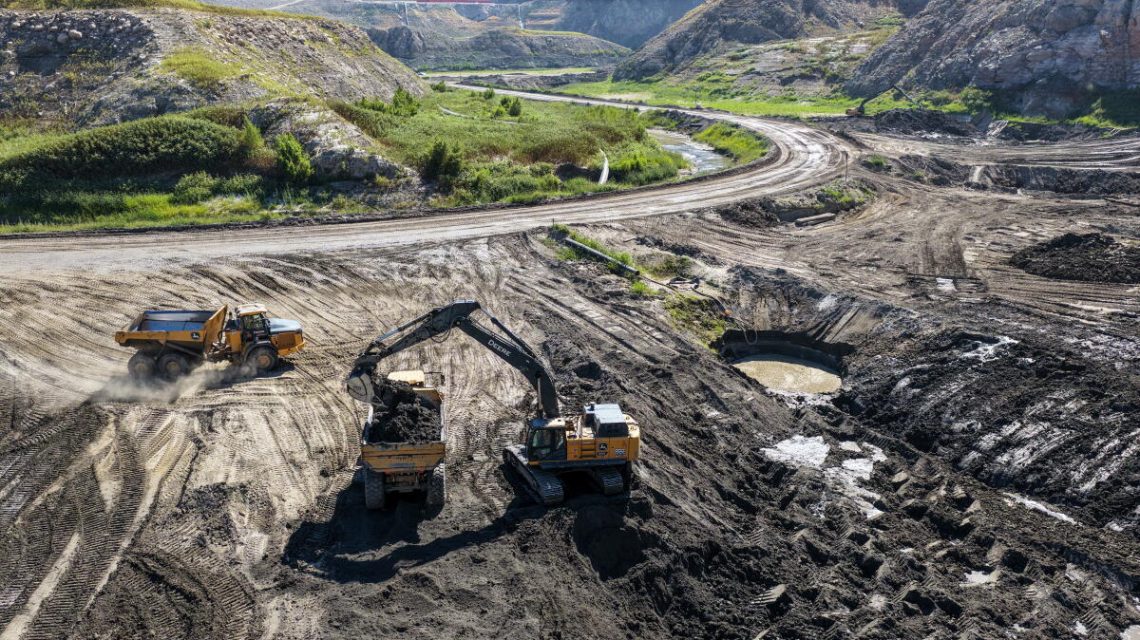
Los Angeles is preparing for the super El Niño, as Mayor Karen Bass’ office confirmed, coordinating with the National Weather Service to address burn scar areas and mitigate debris flows, flooding, and high winds. County crews have been busy removing sediment from reservoirs like San Gabriel Dam to maximize capacity and prevent floods.
Preparation Tips
While no measures are foolproof, several steps can help reduce the risk at home and on the road. Experts advise preparing before the storms arrive.
1. Emergency Alerts: Sign up for alerts through local services. L.A. County Supervisor Lindsey Horvath emphasizes the importance of knowing local risks and having an evacuation plan.
2. Roof Inspections: Terry Heller from Preferred Roofing recommends inspections, especially if your roof is over 12 years old. Verify roofer licenses via the California Contractors State License Board.
3. Drainage Systems: Landscape architect Esther Margulies advises inspecting yard drainage, ensuring drains are clear. Consider rain barrels for downspouts to capture excess water.
4. Sandbags: These can redirect water flow near openings. L.A. County provides sandbag distribution sites.
5. Tree Evaluation: Arborist Alison Lancaster suggests consulting licensed arborists for tree evaluations to prevent structural issues. Avoid practices like tree thinning and topping.
6. Ground Cover Plants: For yards with runoff issues, protective ground cover like buckwheat can be beneficial.
7. Insurance Check: Amy Bach of United Policyholders advises considering flood insurance quotes and reviewing home insurance policy details.
8. Car Maintenance: Kandace Redd from AAA recommends checking tire pressure, brakes, lights, and batteries. Avoid driving into floodwaters.
9. Go Bag Preparedness: Angel Sauceda from the Red Cross suggests packing a go bag with essentials like clothing, food, water, and medication. Include important documents and pet supplies.
Being proactive can significantly ease difficulties in case a storm hits. Don’t underestimate the impact of rain, and stay prepared.
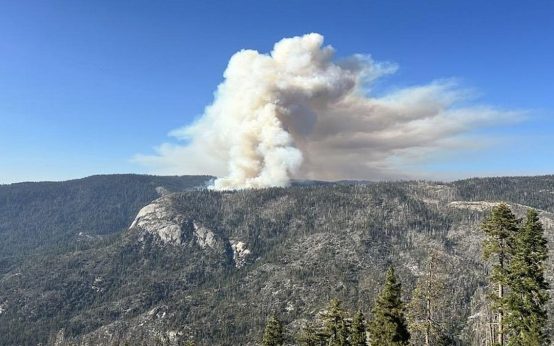 Helicopter Crash Claims Lives of Two Firefighting Pilots in Yosemite
  Cold Weather Alerts and El Niño Influence
 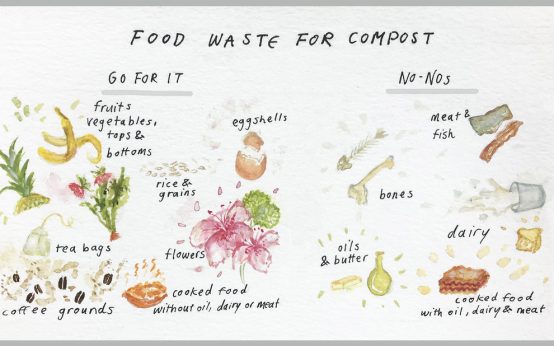 Turning Home Food Waste into Compost: A Guide
  Chicagohenge: When Sunlight Aligns with City Streets
  Fat Bear Week 2026: A Look at the Contest and Its Competitors
  California Governor Declares Statewide Emergency Ahead of El Niño Storms