U.S. Involvement in Deadly Strike
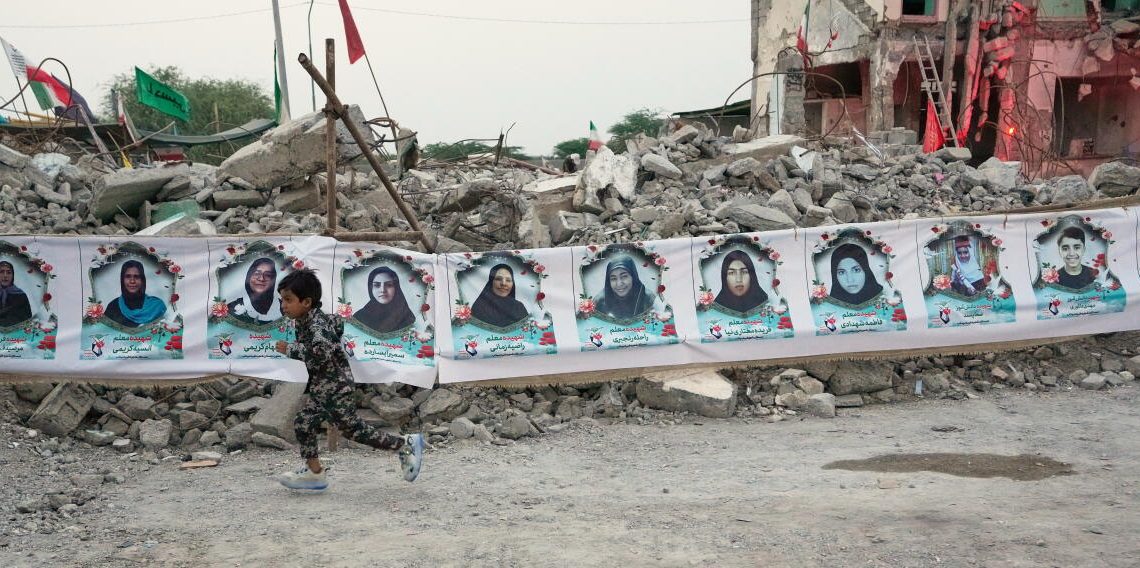
On February 28, a missile attack targeted an Iranian school in Minab, leading to significant loss of life. Official investigations have revealed that U.S. military personnel knew the United States was involved shortly after the attack. This investigation pointed to a series of preventable failures that led to the tragedy. Two Tomahawk missiles struck the school, killing over 150 individuals, including 123 children. This incident is considered the deadliest American military targeting error of the 21st century involving child casualties.
United Nations Investigation Findings
The United Nations investigators have stated that the U.S. attack constitutes a potential war crime. The U.S. has not yet accepted responsibility; President Trump attributed the incident to Tehran’s actions. Despite the President’s remarks questioning certainty over the events, Pentagon officials involved in the internal investigation connect the tragedy to an accumulation of errors.
Factors Behind the Strike
The Trump administration’s directive for extensive aerial assault pressures expedited target finalization. This urgency, paired with inadequate information, reduced civilian protection, and reliance on AI technology, contributed to the error. Though the Pentagon has not released a full investigation report, indications are that the U.S. bears responsibility.
The Pentagon claims the incident remains under scrutiny, as does the senior administration mention: “The United States does not target civilians.”
Intelligence and Data Failures
Investigations highlight outdated intelligence as a critical issue. The site was initially classified as a military base but had since evolved into a school. Analysts noticed updates in construction through satellite imagery, though not connected to key military databases. Reliance on Maven Smart System’s artificial intelligence failed to flag this outdated information.
Maven’s Role and Consequences
Maven, developed by Palantir Technologies, integrates various data inputs to guide military decisions. Yet, personnel expected this system to pinpoint outdated intelligence, which it did not. The fallout from this incident prompted Palantir to enhance Maven to scrutinize intelligence inconsistencies.
Targeting Procedures and Oversights
The decision-making chain involved multiple experts reviewing potential targets. However, errors in the intelligence database and rush to finalize targets led to oversight of crucial details about Minab’s current use. The lack of civilian harm mitigation personnel contributed significantly, as previous reviews involving thorough civilian condition analyses were bypassed.
Political Backlash and Public Scrutiny
As the consequences of the attack become more evident, political and public scrutiny intensifies. Discussions ensue about adjusting civilian protection and intelligence accuracy within U.S. military operations. Lawmakers demand transparency and accountability from the Pentagon.
Historical Context and the Way Forward
The U.S. maintains extensive military targets in Iran, but errors such as those in Minab demonstrate critical gaps in target validation. Consistent monitoring and updating of intelligence is fundamental yet labor-intensive. Within the Pentagon, revamped target vetting processes are now crucial for reducing civilian harm.
Senator Richard Blumenthal demands immediate disclosure: “The administration should have been forthcoming within hours or days, and here we are months later and nothing has been provided.”
 President Trump’s Controversial Ban on Media Outlets Sparks Press Freedom Concerns
  Trump Plans Military Features for Washington Arch
  Tourists Rescued from Oregon’s Risky Lost Boy Beach
  South African Police Arrest Three Suspects in Johannesburg Murder Case
  Hayden Panettiere’s Death Ruled Accidental Due to Drug Toxicity
  U.S. Military Aircraft Crash at Spangdahlem Air Base