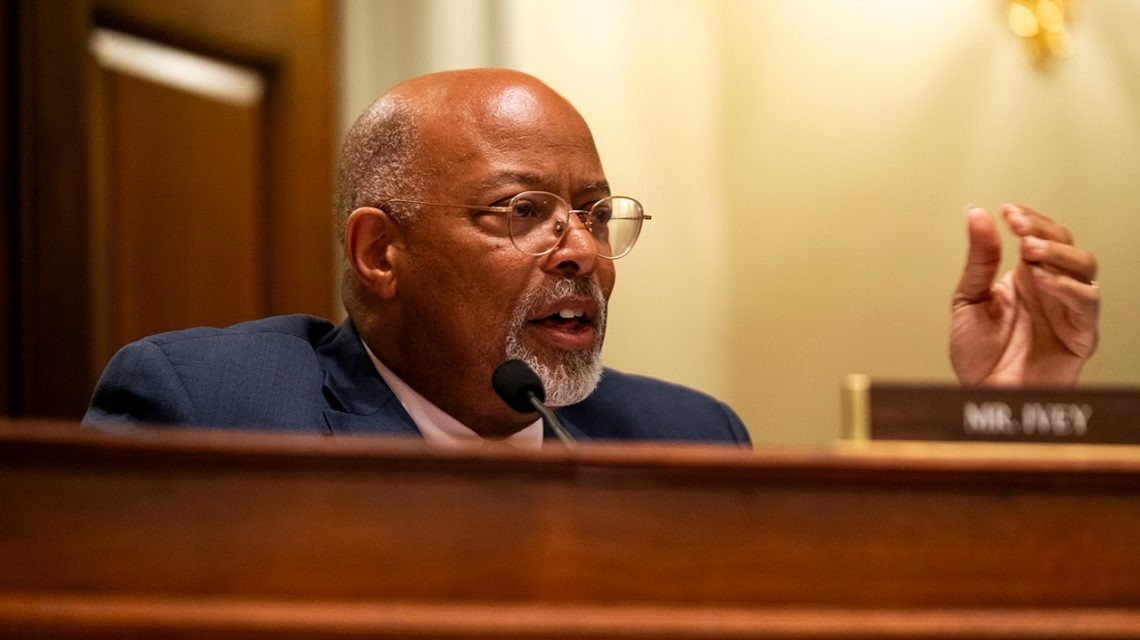
Bipartisan legislation intended to regulate college sports is nearing approval in the Senate, but faces more challenges in the House when lawmakers reconvene in the fall. The Protect College Sports Act, advocated by Senators Ted Cruz (R-Texas) and Maria Cantwell (D-Wash.), has succeeded in passing key votes with support from over 70 senators across party lines.
Cruz emphasized that a strong bipartisan vote was crucial to convince skeptical House members. In discussions, he requested Speaker Mike Johnson (R-La.) to retain members in town to consider the bill. However, Johnson opted to send House members home, which delays any potential action until November.
“We remain pretty optimistic the House is going to make this a priority when they come back. The only reason you wouldn’t do that is because of sour grapes,” said a lobbyist extensively involved with the Senate bill.
The bill has received endorsement from President Trump, who urged support despite opposition from GOP senators over aspects involving conference realignment. It aims to grant student athletes a federal right for compensation from their name, image, and likeness. Agent fees would be capped, scholarships extended, and athletes allowed transfers without a mandatory sit-out year.
The bill also restricts coaches from leaving midseason for other positions, an issue spotlighted by Lane Kiffin’s departure from LSU last year. Critics, like Sen. Cory Booker (D-N.J.), argue it favors the NCAA and major conferences, potentially limiting athletes’ earning power.
“The Protect College Sports Act sells out athletes and bails out the NCAA,” Booker claimed, expressing concerns over power imbalances against athletes.
While the bill progresses, its path in the House remains uncertain. The NCAA spent significant resources seeking antitrust protection and organized meetings to sway lawmakers. Coaches like John Calipari from the University of Arkansas have voiced support, suggesting bipartisan cooperation is critical.
An earlier similar bill, the SCORE Act, failed in the House after opposition from groups like the Congressional Black Caucus (CBC) and NAACP, who worried about antitrust protections impacting minority athletes. Continued skepticism exists among House Republicans regarding the prioritization of this legislation over other matters.
Ultimately, the future of college sports governance remains in flux as lawmakers navigate the nuances of reforming the NCAA’s existing structure while trying to address underlying disparities.
Extras:
- Washington Capitals’ Alex Ovechkin defended an ad supporting Russian President Putin amidst backlash, expressing a desire for peace.
- The National Park Service awarded contracts for East Potomac Park development, criticized by Democrats for lack of transparency.
- University of Texas quarterback Arch Manning issued an apology for inappropriate laughter regarding an offensive AI-generated video.
- Rep. Glenn Ivey (D-Md.) expressed sports preferences and shared thoughts on sports as a unifying force.
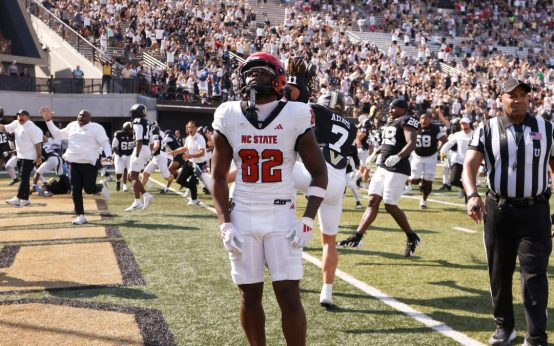 Vanderbilt’s Unprecedented Last-Second Victory Against NC State
 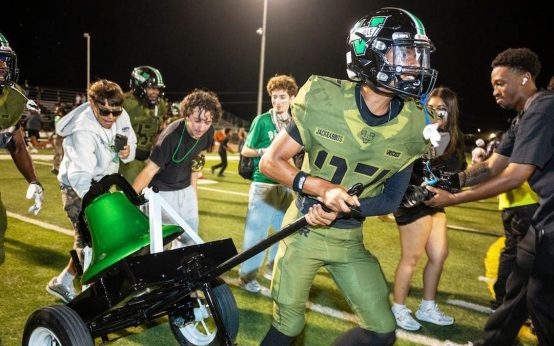 Lane Kiffin and LSU Anticipate Safety Concerns at Ole Miss Return
 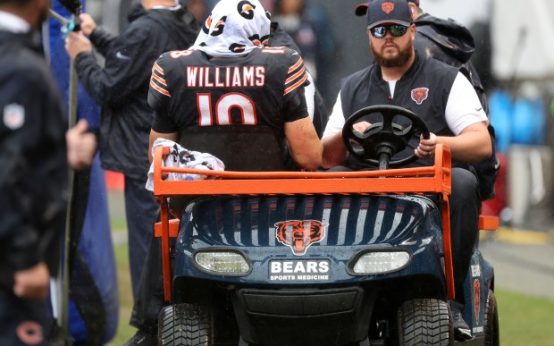 Bears Quarterback Caleb Williams Injured Against Vikings
 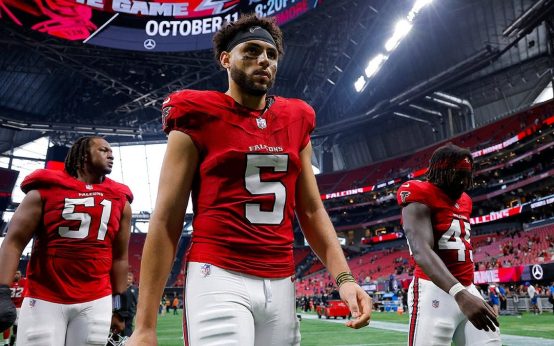 Drake London Confronts Fan During Falcons’ Loss
  Real American Freestyle: A Growing Presence in Wrestling
 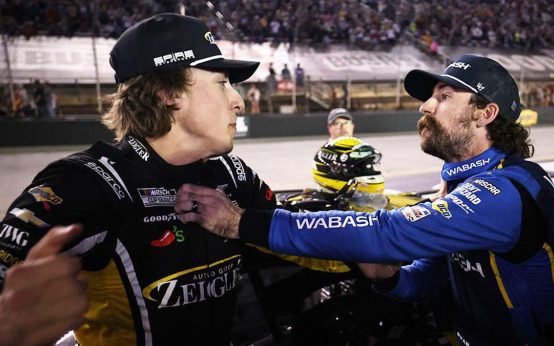 Highlights from the NASCAR Bristol Night Race Controversy