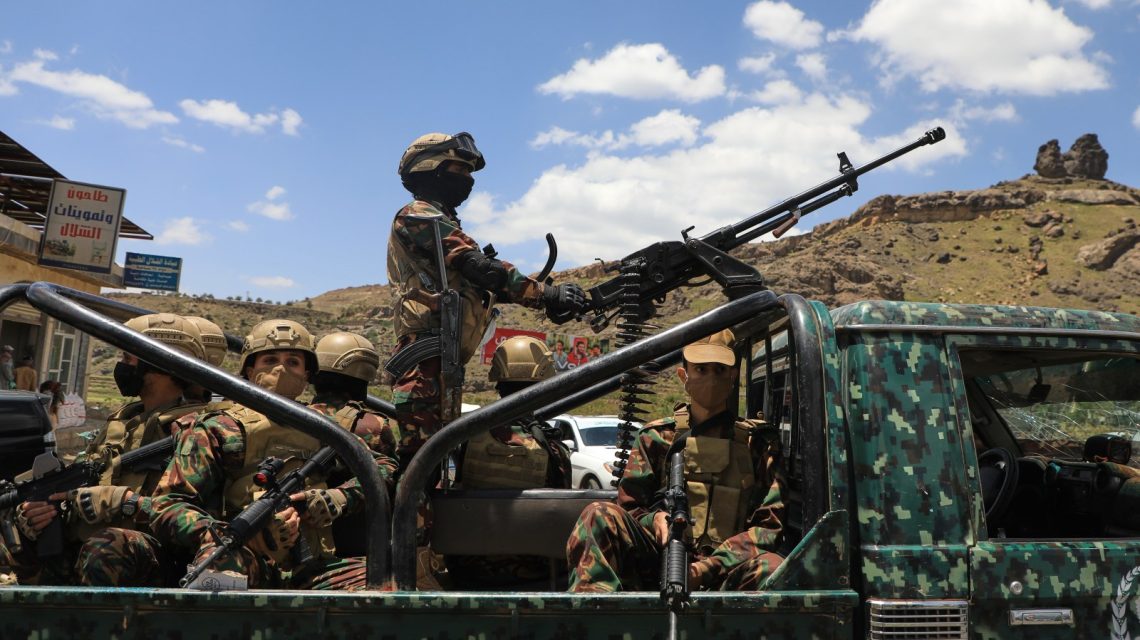
Ansar Allah’s Strategic Moves
Ansar Allah, more commonly known as the Houthis, has reached another significant milestone with its escalating assaults against Saudi Arabia. Their lightning offensives have given them control over the Bab el-Mandeb Strait, a crucial corridor to the Suez Canal that impacts global energy trade. This area’s significance is further heightened by ongoing Iranian and U.S. blockades in the Strait of Hormuz.
The developments pose challenges for Saudi Arabia, which faces disruptions due to another strike from a faction in Iraq affecting its East-West pipeline. For U.S. consumers, upcoming surges in fuel costs are expected due to the ongoing U.S.-Israeli conflict with Iran affecting the oil and gas market.
Limits of Intervention
There is apprehension about a full-scale military intervention to support Yemen’s government, which faces growing pressure. Annelle Sheline, from the Quincy Institute for Responsible Statecraft, explains that neither Washington nor Riyadh are inclined to deploy troops for an extended conflict. Instead, they favor air power, which often fails to secure territory effectively.
Sheline cautions that a coalition-led ground offensive in Yemen would likely confront complex insurgency dynamics similar to past conflicts in Iraq and Afghanistan. Terrain challenges could lead to eventual withdrawal by foreign occupiers.
Historical Precedents
Saudi Arabia’s attempts to intervene in Yemen are not new. In March 2015, a coalition mounted an offensive after Ansar Allah took Sanaa. Despite regrouping government forces in the south, they have yet to unseat the group from controlling significant portions of the country.
Historical parallels include Egypt’s ill-fated campaign during Yemen’s civil war in the 1960s when Egyptian forces suffered heavy losses. U.S. involvement in Vietnam offers another example, with Sheline drawing similarities between Yemeni and South Vietnamese governments.
In Afghanistan, the U.S.-backed government collapsed amid Taliban advances following the U.S. military withdrawal, illustrating limits of external influence against entrenched groups.
Potential Escalations
The cost of war is immense, yet the ramifications of inaction remain severe. Saudi Arabia’s efforts have been primarily aerial, lacking cohesion to advance the Yemeni government’s aspirations to reclaim Sanaa.
As tensions escalate, sources say President Trump denied air support requests from Saudi Crown Prince Mohammed bin Salman. Trump reported direct communication with Ansar Allah, suggesting the group expressed no desire for conflict with the U.S., leaving most shipping routes unobstructed.
Iran continues to pose threats, impacting tanker traffic substantially below pre-war levels. If Ansar Allah blocks Bab el-Mandeb, repercussions on trade could be vast, influencing Saudi Arabia’s economy amid Crown Prince Mohammed’s Vision 2030 initiative.
Salman Al-Ansari argues for a multifaceted war strategy against Ansar Allah, given the blockade threats. He emphasizes the urgency of intervention to prevent Yemen’s future being dictated by Houthi forces.
Al-Ansari stresses the need for rigorous military vetting and unity among Yemeni government ranks. He also calls upon international powers to actively confront Ansar Allah’s advances.
Riyadh’s Strategy and Outlook
Crown Prince Mohammed faces dilemmas both in avoiding a full war and responding to Houthi advances. Yemeni writer Abdulnaser Almuwadea predicts intensified support for allied forces and sees U.S. air support as critical in strategic areas.
Military responses may include escalating blockades to derail Ansar Allah’s influence, though such measures bear risks of backlash by increasing attacks or blocking adversary ports.
Diplomatic pursuits could potentially offer Ansar Allah legitimate acknowledgment, minimizing attacks by altering support toward Yemen’s recognized government. However, Almuwadea considers such concessions improbable as Saudi Arabia explores all strategic avenues.
Sheline sees negotiations as faster resolutions, particularly with Trump’s inclination to disengage from Iranian conflict. She advises lifting embargoes on Ansar Allah regions as it offers simpler solutions to the regional crises.
 Federal Appeals Court Decision Against Trump’s ‘Third-Country’ Deportation Policy
  Ed Sheeran’s Philadelphia Concert Amid Controversy
 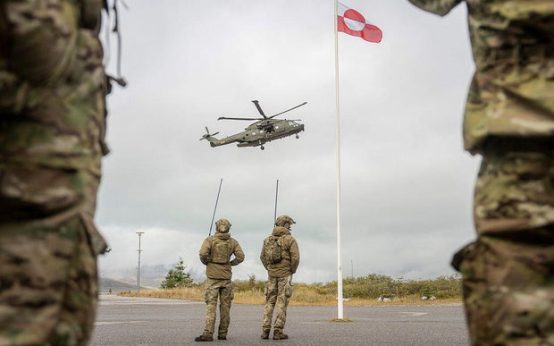 U.S. Secures Strategic Control Over Greenland
  U.S. Security Agreement in Greenland Sparks Optimism and Concerns
 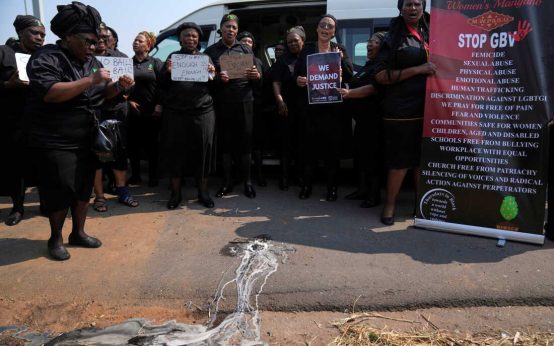 Impact of Gender-Based Violence in South Africa
 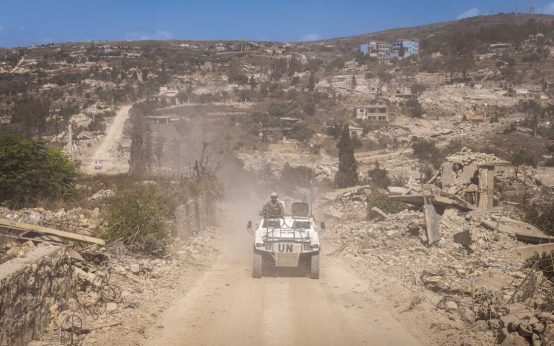 UNIFIL Operations in Southern Lebanon Amidst Ceasefire Challenges