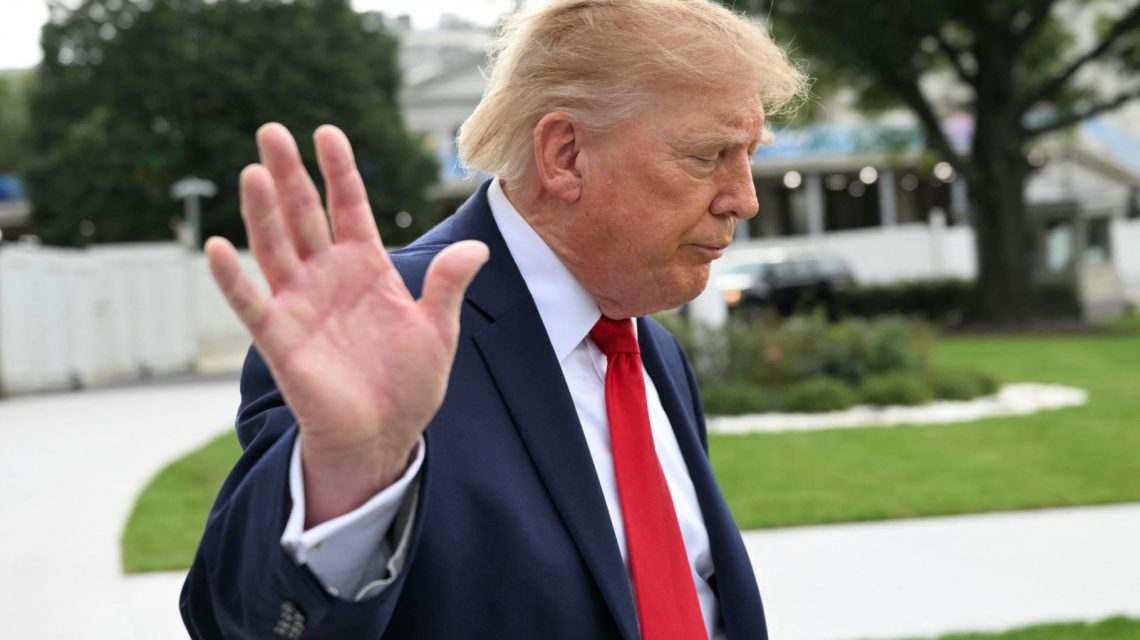
President Donald Trump’s net approval rating has decreased in 10 major beef-producing states. This change occurred in the month following his announcement of a temporary increase in beef import quotas. The policy aims to reduce beef prices, according to polling data from Civiqs’ rolling online tracking survey.
States Affected
Between August 21 and September 21, Trump’s net approval rating dropped in Florida, Kansas, Kentucky, Missouri, Montana, Nebraska, North Dakota, Oklahoma, South Dakota, and Texas. The White House suggested that additional imports could lower consumer beef prices. However, there are concerns that increased competition from imported beef could harm U.S. ranchers.
Trump faces the challenge of reducing grocery costs for consumers while safeguarding cattle producers from increased competition. The political stakes are high in cattle-producing states, where the government’s approach has sparked concerns.
Approval Rating Changes
All 10 states saw a decrease in net approval during this period. Although the changes were modest, they were consistent. Trump lost three points in Kentucky (from -8 to -11) and Oklahoma (from +4 to +1). His net approval fell by two points in Kansas (from +4 to +2), Missouri (from -24 to -26), Montana (from +3 to +1), North Dakota (from +14 to +12), South Dakota (from +5 to +3), Texas (from -18 to -20), and Florida (from -13 to -15). In Nebraska, the decline was one point (from -3 to -4).
The average decline among the 10 states was 2.1 percentage points, with a median decrease of 2 points. While these figures suggest a trend, they do not definitively link Trump’s beef policy to changes in approval ratings, as numerous factors can influence presidential approval.
Details of the Beef Importation Plan
On August 21, Trump introduced the beef plan. It temporarily allows up to 300,000 metric tons of additional beef imports for ground beef production over 90 days, without higher out-of-quota tariffs. Trump stated on Truth Social that the imported beef would be sold at 25 percent below current market prices, aiming to reduce prices for American consumers while supporting the growth of the domestic beef herd.
This decision was made in response to rising beef prices, with beef and veal prices noted to be 9.4 percent higher than the previous year. Simultaneously, the national cattle supply had reached historically low levels.
Opposition to the Plan
Various parts of the cattle industry and some Republican representatives opposed the plan. The National Cattlemen’s Beef Association highlighted concerns that increased below-market imported beef could hinder efforts to rebuild the American cattle herd. CEO Colin Woodall criticized the policy, stating it prioritizes short-term messaging over long-term stability.
“While America’s cattle producers share the goal of keeping groceries affordable for consumers, flooding the market with government-subsidized, below-market beef is not the way to rebuild the American cattle herd. Cattle markets have already turned sharply lower this morning, to the detriment of farmers and ranchers.”
Republican Representative Thomas Massie criticized Trump’s proposal as insubstantial, arguing that it remains legal for farmers to process their own meat and sell it, but selling it ‘by the cut’ is illegal.
Current Approval Ratings
Despite the overall decline, Trump’s net approval remained positive in five of the 10 states on September 21. These included North Dakota (+12), South Dakota (+3), Kansas (+2), Montana (+1), and Oklahoma (+1).
The administration views the beef policy as part of its efforts to address affordability ahead of the November midterm elections. The 90-day measure is set to last beyond Election Day, November 3.
For more information, contact Newsweek editor Edward Pearcey.
 Escalating Tensions at the UN: Russia Accuses Europe of Blocking Peace Plans
  Senate Democrats Question if Kennedy Struck Deal in Vaccine Lawsuit
  The Supreme Court’s October Term: Key Cases to Watch
  DHS to Overhaul Redaction Process with New Technology
  Senator Tuberville Proposes Major Overhaul to U.S. Immigration System
  Student Loan Groups Urge Congress for Oversight Hearings