Despite falling crime rates in America, the demand for true crime content is at an all-time high. This fall, fans will find a wide array of choices across various platforms, including streaming services, podcasts, broadcast series, films, and even Court TV. True crime content is accessible everywhere.
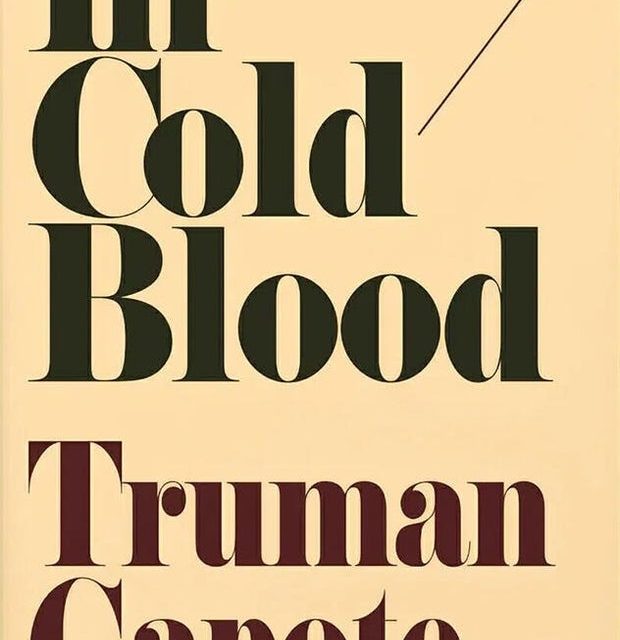
The fascination with true crime is not a new phenomenon. Many attribute its widespread appeal to the 1960s with the publication of Truman Capote’s In Cold Blood, which covered the murder of the Clutter family in Kansas. Jean Murley, a professor at the Savannah College of Art and Design, became deeply interested in true crime after reading Capote’s book as a teenager. She describes the genre’s appeal as both dramatic and horrifying, emphasizing that the stories are real.
One infamous case is the Lizzie Borden murders in 1892, where Borden was accused but never convicted of killing her father and stepmother. Professor Murley finds the unsolved nature and high-profile status of the case to be particularly intriguing.
True crime resonates with audiences due to the intense emotions and high stakes involved. Karen Kilgariff and Georgia Hardstark, hosts of the podcast My Favorite Murder, discuss serial killers, cold cases, and survivor stories. Their podcast, recorded initially as a hobby, has amassed over two billion downloads and led to the creation of Exactly Right Media.
Hardstark and Kilgariff address ethical concerns regarding true crime as entertainment. They emphasize focusing on victims and understanding human vulnerability rather than deriving amusement from the content.
True crime enthusiasts can gather extensive information at events like CrimeCon. Held in Las Vegas, CrimeCon attracts fans and content creators alike. Erin Moriarty, correspondent for 48 Hours and contributor to Sunday Morning, initially hesitated to attend, concerned about trivializing the gravity of real-life cases.
Attendees often include amateur sleuths who attempt to solve crimes using publicly available information. However, Moriarty expresses caution in spuriously accusing innocent people, as seen in the Idaho case involving Bryan Kohberger.
A tragic case highlights the impact of true crime: Steve and Kristi Goncalves, whose daughter Kaylee was killed alongside three others in Idaho, attended CrimeCon. They’ve established the Murder Has a Name Foundation to fund investigations into unsolved murders.
The Goncalves family used to enjoy true crime shows together but find them difficult to watch since Kaylee’s murder brought painful personal involvement.
At the Lizzie Borden house, now a themed bed and breakfast, Jean Murley reflects on maintaining empathy for real victims while engaging with true crime content. She emphasizes the importance of remembering that stories involve real people, not just characters.
Overall, while the fascination with true crime remains strong, respecting the gravity of the cases and considering the impact on victims and their families remains crucial.
 Arrival of Giant Pandas Strengthens U.S.-China Relations
  Revival of Son Jarocho: A Musical Heritage in Veracruz
  Exploring Recommended Reads from Diverse Authors
  Digital Divide: America’s Two Economies
  Rose Friedman: A Dedicated NPR Journalist Remembered
  Notable Lost Stories and Objects