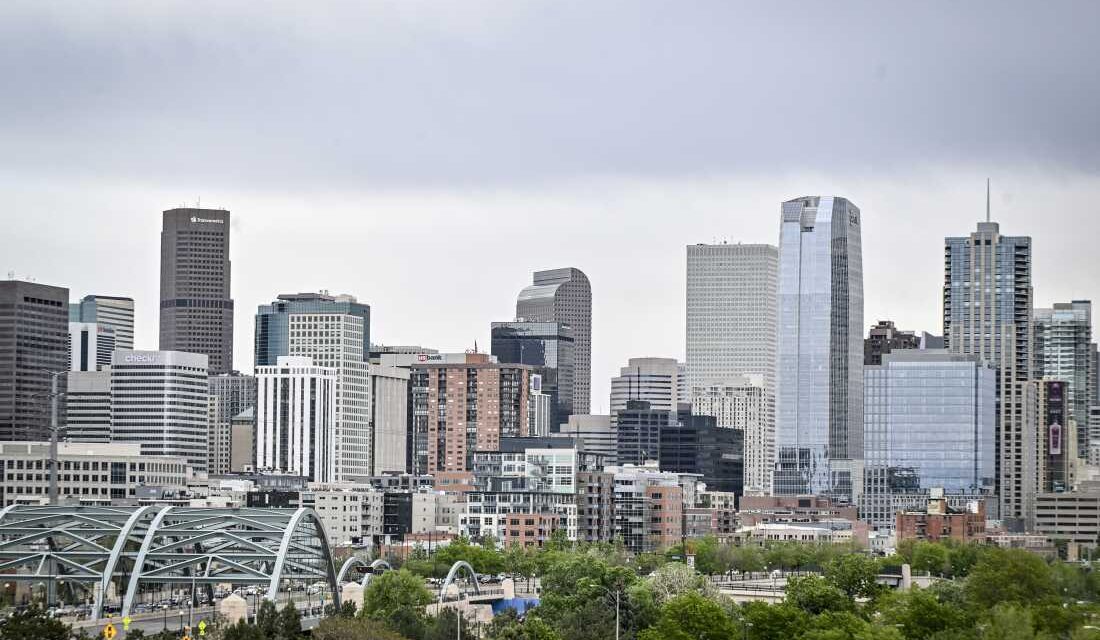
Denver aims to transform how it heats and cools a portion of its downtown buildings. Instead of traditional fossil fuels, the city plans to use water, geothermal energy, and even sewage. This initiative fits into the broader effort to advance climate solutions despite political challenges.
The Reason Behind the Shift
Buildings are Denver’s main source of climate pollution, demanding fossil fuels for heating, cooling, and power. The city intends to change this by implementing a thermal energy network, reducing greenhouse gas emissions significantly. This plan involves using the Cherokee Boiler House building to support the new system, targeting zero emissions by 2040.
Pilot Program: Thermal Energy Network
A new type of system known as a thermal energy network will be piloted. This system utilizes underground pipes to circulate water among buildings. These pipes, along with water-source heat pumps, will efficiently transfer energy to heat or cool the structures.
Elizabeth Babcock, from Denver’s Office of Climate Action, explains that heat pumps can move heat between the water and buildings as needed. The interconnected network allows buildings to share energy efficiently. When a building is too warm, it can release excess heat into the circulating water. Nearby buildings can then use this heat.
Role of the Cherokee Boiler House
The Cherokee Boiler House, a historical structure, will become the core hub managing this new network. City official Drew Halpern emphasizes its role as the “brains and brawn” of the system.
Financial Considerations
Building this network over the next decade is estimated to cost between $280 million and $320 million. Despite high initial investments, a 2025 report indicates the system is up to 75% more economical than other decarbonization methods. Funding combines city resources and state grants, with potential for future private investment.
Geothermal and Sewage Energy
To power the system, Denver plans to expand its use of geothermal energy, a vast reservoir of natural heat. Hundreds of boreholes will be drilled beneath parking lots to channel Earth’s warmth into the network. Geothermal energy offers a free, continuous heat source post-construction.
Additionally, wastewater’s thermal energy presents another opportunity. As warm wastewater is processed, it releases heat that the city can harness. Dan Freedman of Metro Water Recovery discusses plans to use a heat exchanger within a sewage line to channel this energy. Doing so will help comply with environmental regulations, reduce energy costs, and possibly generate new revenue streams.
Potential Nationwide Impact
Denver will start small but aims to expand the system by connecting nine buildings by 2030. Mayor Johnston remains optimistic, seeing success in this pilot as a model for others. He believes adapting it could impact downtowns across the country.
 Cold Weather Alerts and El Niño Influence
  Turning Home Food Waste into Compost: A Guide
  Chicagohenge: When Sunlight Aligns with City Streets
  Fat Bear Week 2026: A Look at the Contest and Its Competitors
  California Governor Declares Statewide Emergency Ahead of El Niño Storms
  EPA Rollbacks and the Impact on Indiana Communities