
Democracy Dies in Darkness
Economy
Recent measures by the White House aimed at reducing prices have not achieved the desired results, leaving voters concerned as midterm elections draw near. Efforts involving beef and diesel fuel illustrate the challenges faced in balancing economic policies with industry interests.
In an attempt to address rising beef prices, the administration proposed allowing tariff-free beef imports. This move was intended to increase supply and reduce costs for consumers. However, it was met with strong disapproval from American farmers and ranchers, who feared negative impacts on local markets and their livelihoods.
Similarly, a plan to prohibit exports of domestic diesel fuel was introduced with the hope of lowering fuel prices. This approach aimed to retain more diesel within the U.S., potentially leading to decreased prices for consumers and businesses relying on fuel. Nevertheless, major oil companies voiced opposition, arguing that export restrictions could disrupt global markets and harm the U.S. economy.
The ongoing struggle to find effective solutions highlights the complexity of implementing economic policies that simultaneously satisfy industry stakeholders and voter expectations. As midterm elections approach, the White House continues to face pressure to address these pressing economic concerns.
 Detroit Free Press Endorses Abdul El-Sayed in Senate Race
  Texas Senate Race: Talarico vs. Paxton Polling Insights
  GOP Lawmakers Urge Action on Cost of Living Before Elections
 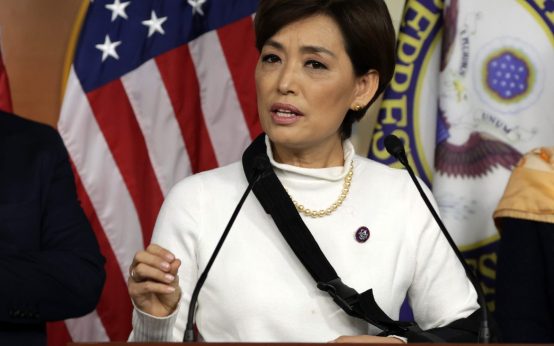 Holding Washington Accountable: Combatting Corruption and Self-Enrichment
 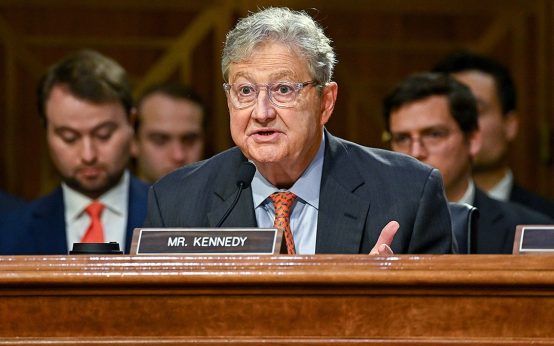 Court Order Leads to Removal of Trump’s Name from Kennedy Center
  Irish Prime Minister Rejects Claims of Antisemitism in Israel Criticism