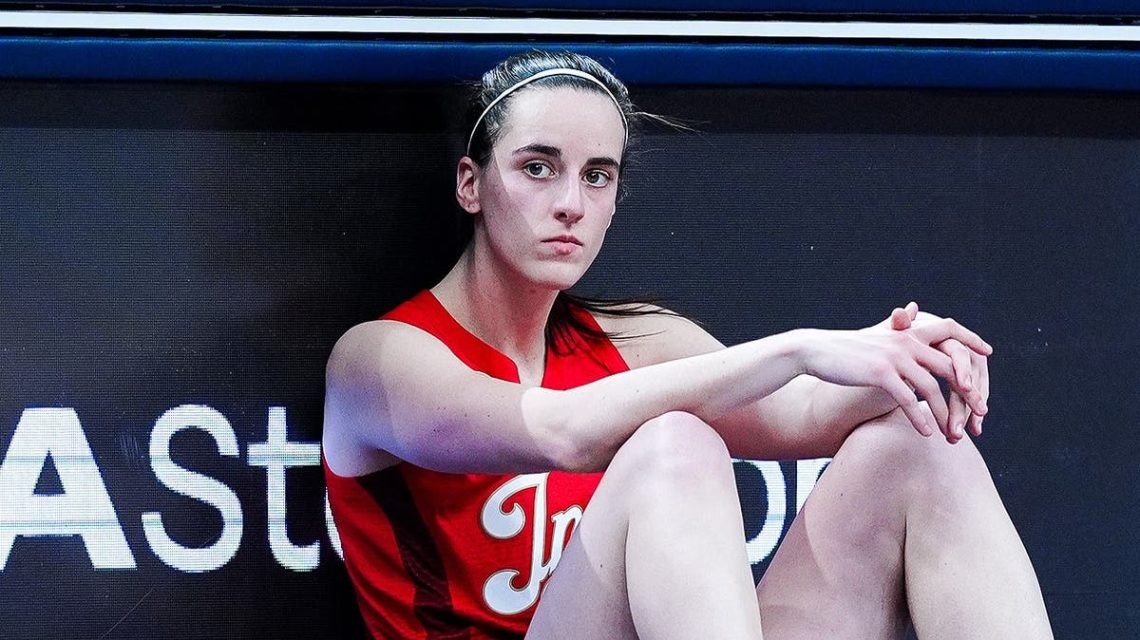
On Friday, ESPN writer David Dennis Jr. criticized Caitlin Clark’s departure from the WNBA playoffs, sharing a photo suggesting satisfaction with the result. Dennis later elaborated, arguing that Clark is overrated and that his earlier claims about her ranking in the league were validated by her team’s performance.
Dennis particularly focused on how he has always doubted Clark’s ability to lead her team to victory. He highlighted the Fever’s first-round exit as a reason for concern, particularly given their strong lineup. He noted that despite having three top-ten players, the team struggled to advance.
For contrast, the Fever faced the Las Vegas Aces, a team expected to win its fourth championship in five years, suggesting the difficulty of the matchup. Clark made history with her performance by scoring 25 points and making 15 assists, achievements that some may argue disprove Dennis’s criticism.
For those unfamiliar with Dennis, his reaction might seem uncharacteristic of an ESPN employee. ESPN is a major broadcaster of the WNBA Finals, and Clark is a key attraction for viewers. Comparatively, it would be like an NBC figure expressing joy over the Chiefs’ or Cowboys’ playoff defeats in a year they host the Super Bowl.
Dennis’s position as an ESPN commentator involves some complicated history. Previously, he urged Caitlin Clark’s supporters to boycott the WNBA. ESPN brought Dennis on board in 2021, highlighting his background as part of their diversity initiatives post-George Floyd.
In earlier comments, Dennis argued that Sydney Sweeney’s advertisement provoked concerns about eugenics, reflecting his contentious relationship with notable figures. Dennis’s criticisms often target successful White women, including Clark, Sophie Cunningham, and others.
ESPN’s approach to talent hiring and representation sometimes protects figures like Dennis. His comparisons to other outspoken sports commentators exemplify his controversial role. Conflicts like these may seem aligned with figures such as Dan Le Batard, who might offer a platform for Dennis’s sharp commentary.
Jessica Smetana, associated with Le Batard, also criticized the Fever and compared experiencing Cunningham play to enduring a prison sentence. Her comments suggest similar animosity toward certain players.
Both Dennis and Smetana claim that sports media targets Black lesbian women, which they argue lacks credibility. Bobby Burack, writing for OutKick, focuses on these dynamics, further emphasizing the polarizing nature of such discourse.
 Oregon Legend Dan Fouts Reflects on Football’s Violent Nature
  Dodgers Face Braves in NLDS: Game 1 Overview
  High School Football Game Ends with On-Field Brawl
 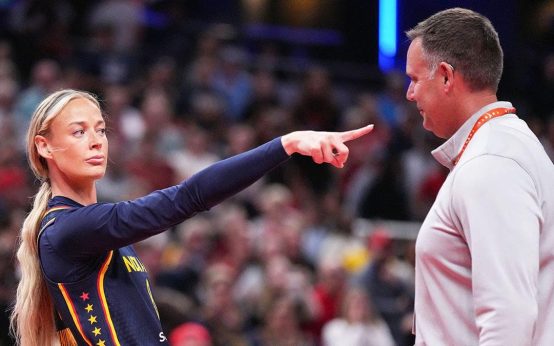 The Indiana Fever’s Heartbreaking Season Finale Against Las Vegas Aces
  Chicagoland High School Football Teams’ Week 7 Results
 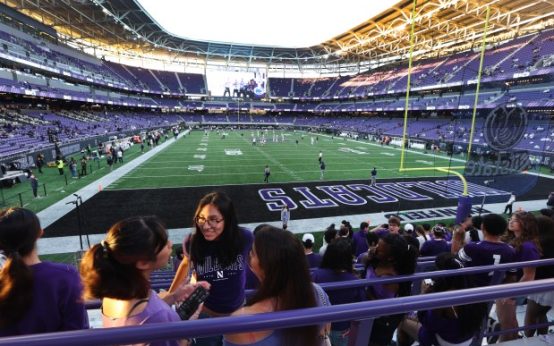 An Inside Look at Northwestern’s New Ryan Field