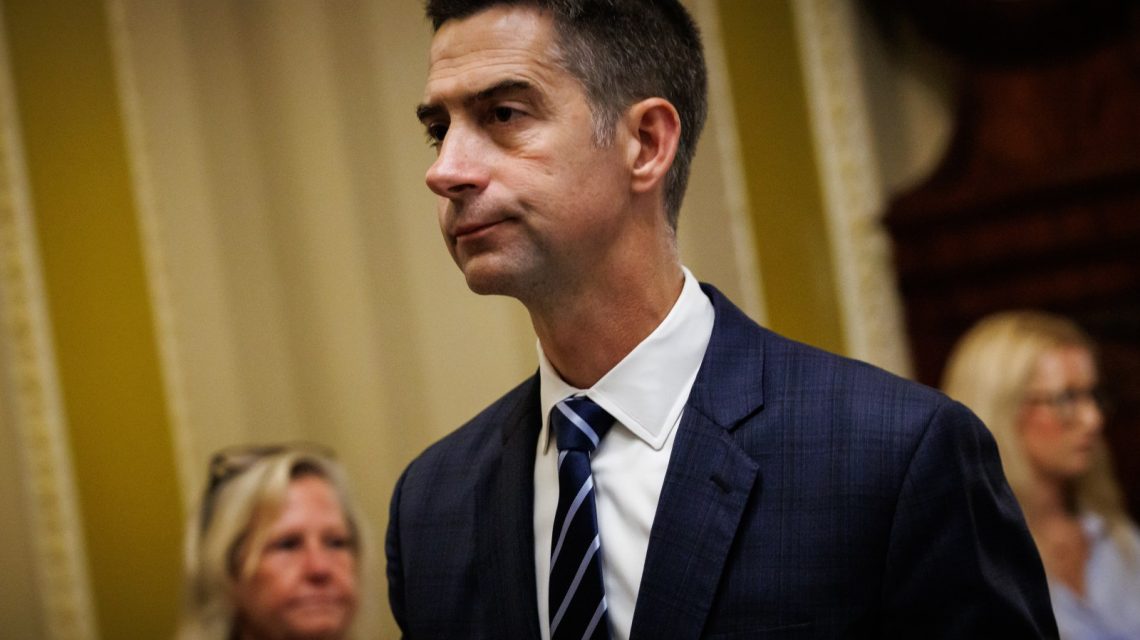
President Donald Trump shared Senator Tom Cotton’s cellphone number in a Truth Social post on Saturday morning. This action is part of a push to influence lawmakers to support legislation for permanent daylight saving time (DST). Trump had previously criticized Cotton, a Republican from Arkansas, for blocking the Sunshine Protection Act. This bipartisan bill aims to end the biannual clock changes and keep DST year-round.
In his post, Trump referred to Cotton as “a friend” and encouraged people to contact the senator. “For some reason, Tom is stopping the Bill and, in the Senate, it’s very easy to do, it only takes one! It should pass overwhelmingly, in a Bipartisan fashion. To the Great People of Arkansas, please let your Senator know it would be a GREAT Bipartisan WIN for the United States Senate, and for America, itself. Call Tom on his cellphone,” wrote Trump.
When Newsweek called the number supplied by Trump, it went straight to voicemail, stating the mailbox was full. Newsweek also contacted Cotton for comments via email on Saturday, but he has previously declined to comment on Trump’s criticism.
Americans are slated to turn their clocks back on Sunday, November 1, switching to standard time. Despite the House passing the legislation with a bipartisan 308-117 vote in July, the Senate’s recess until midterm elections poses hurdles.
Fight Over Daylight Saving Time
Trump argues that ending clock changes would improve public health, reduce crime and traffic accidents, and enhance economic activity. “Nobody wants to spend their precious time running all over the place, turning Clocks back twice a year, and having sunshine in the afternoon is better than early in the morning!” Trump stated. “The PGA TOUR, for instance, needs more daylight in the afternoon to finish tournaments. Moreover, golfers, tennis players, hunters, and importantly, farmers want more daylight to play or work.”
Opposition from sleep medicine experts surfaced early regarding permanent DST. In July, the American Academy of Sleep Medicine supported a rival bill that similarly ends biannual clock changes but suggests permanent standard time. Karin Johnson of the AASM previously noted to Newsweek that permanent DST conflicts with natural biological rhythms, delaying exposure to morning sunlight, which is vital for sleep regulation.
This debate underscores a divide among Republicans despite public support. A YouGov survey from February showed that 64% of Americans favor eliminating the biannual clock changes, while only 16% oppose. Trump’s message, now labeled as the “No More Changing of Clocks Act,” sits opposed to Cotton’s view. Cotton warns about potential dark mornings during winter, emphasizing children’s safety going to school and workers’ early shifts.
Senator Mike Rounds from South Dakota highlighted how northern states would face late sunrises. “We’d have kids going to school in the dark until 9 o’clock, 9:30 in the morning,” he mentioned. Other Republicans like Ted Budd, Deb Fischer, Jerry Moran, Tim Sheehy, Dan Sullivan, Roger Wicker, and Todd Young, along with Democratic opposition from senators like Lisa Blunt Rochester, Tammy Duckworth, Amy Klobuchar, Gary Peters, and Jacky Rosen, all share these concerns.
History of Daylight Saving Time
The campaign against biannual clock changes stirs a debate tracing back over a century. According to the U.S. Department of Transportation and congressional records, efforts to implement permanent DST faced repeated criticism for darker winter mornings.
1918: Congress Establishes DST
This was first introduced nationwide during World War I to conserve energy. It was unpopular and repealed post-war.
1942-1945: Wartime DST Returns
The federal government reinstated year-round DST during World War II to aid the war effort.
1966: Uniform Time Act
Congress established a standardized DST schedule, allowing states to opt-out.
1974: Brief Year-Round DST
During the energy crisis, the U.S. attempted permanent DST but retracted it after safety concerns with dark mornings.
2007: Current DST Timeline
The Energy Policy Act extended the DST period, with clocks advancing in March and retreating in November.
2022: Senate Passes Sunshine Protection Act
The Senate approved permanent DST, but the House held back, preventing it from becoming law.
July 2026: House Passes Permanent DST
The House endorsed the Sunshine Protection Act, inviting Senate review.
November 1, 2026: Scheduled Clock Change
Americans are to revert to standard time unless Congress intervenes.
What Happens Next
The bill lies before the Senate’s Committee on Commerce, Science, and Transportation. A floor vote remains unscheduled. Senate Majority Leader John Thune has expressed doubts about gathering the 60 votes needed. “I just don’t think we want a mandate,” he noted over the summer.
Newsweek’s report was generated with assistance from Martyn, their AI tool. Reach out to editors Steve Mollman and Anthony Murray for more details.
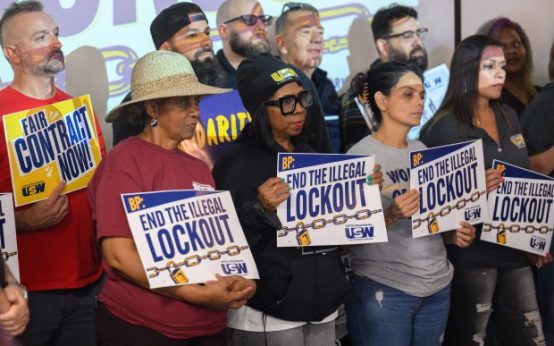 BP Lockout Spurs Push for Indiana Legislation on Unemployment Benefits
  Urgent Reforms Needed in Republican Nomination Process
  Tennessee Prison Chief Resigns After Botched Execution
  Controversy Erupts After Tucker Carlson Questions Britain’s WWII Decision
 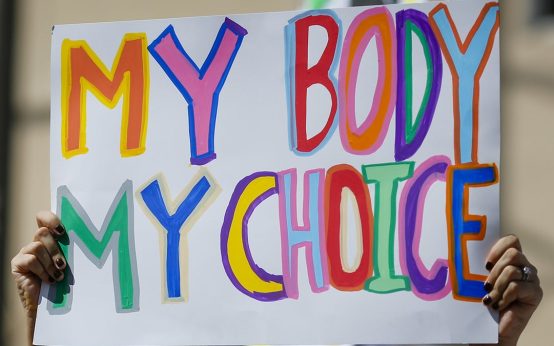 Sharon Stone Discusses Abortion and Women’s Health on Podcast
  Trump’s New White House Ballroom and Military Complex Construction