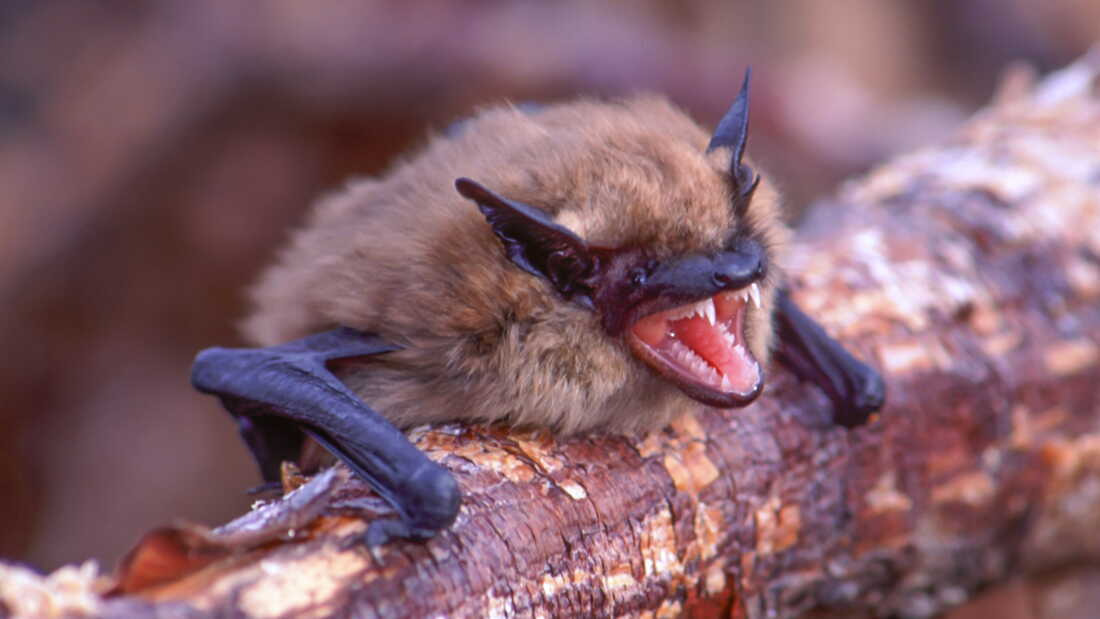
The little brown bat was once a dominant presence among bat species in the eastern United States. Unfortunately, the white nose syndrome, a cave-dwelling fungus, has drastically reduced their numbers. This devastating effect has been observed over the past decade, pushing populations to near extinction.
Recently, conservation biologist Giorgia Auteri, along with her team, identified several genetic mutations in the surviving bats. These mutations appear crucial in understanding how natural selection is favoring certain bats, potentially aiding in future conservation strategies.
White nose syndrome acts as a silent predator during the bats’ hibernation period. Its impact on bat populations has been significant and concerning. However, the genetic discoveries offer a glimpse of hope in reversing this decline.
If you’re interested in animal science, feel free to send your queries to [email protected].
Supporting Public Media: Consider supporting NPR+ and gain access to perks for over 25 podcasts, including ad-free experiences. More information can be found at plus.npr.org.
Listen to Short Wave on Spotify and Apple Podcasts. This episode was produced by Hannah Chinn and edited by Rebecca Ramirez and Lauren Gonzalez. Tyler Jones conducted the fact-checking, and Annlie Huang was the audio engineer.
 Lead Azide Detonation Raises Concerns on Communication
 EPA Assesses Impact After Iowa Chemical Detonation
 Divisions Over Fossil Fuels Impact COP31 and 2028 Olympics
 Latest Updates: Global Console Shortage, New Zealand’s Political Shift, and Extreme Tides in California
 Rare 1,000-Year-Old Viking Coin Discovered in Norway
 The FCC Approves SpaceX’s Ambitious Satellite Plan Amid Concerns