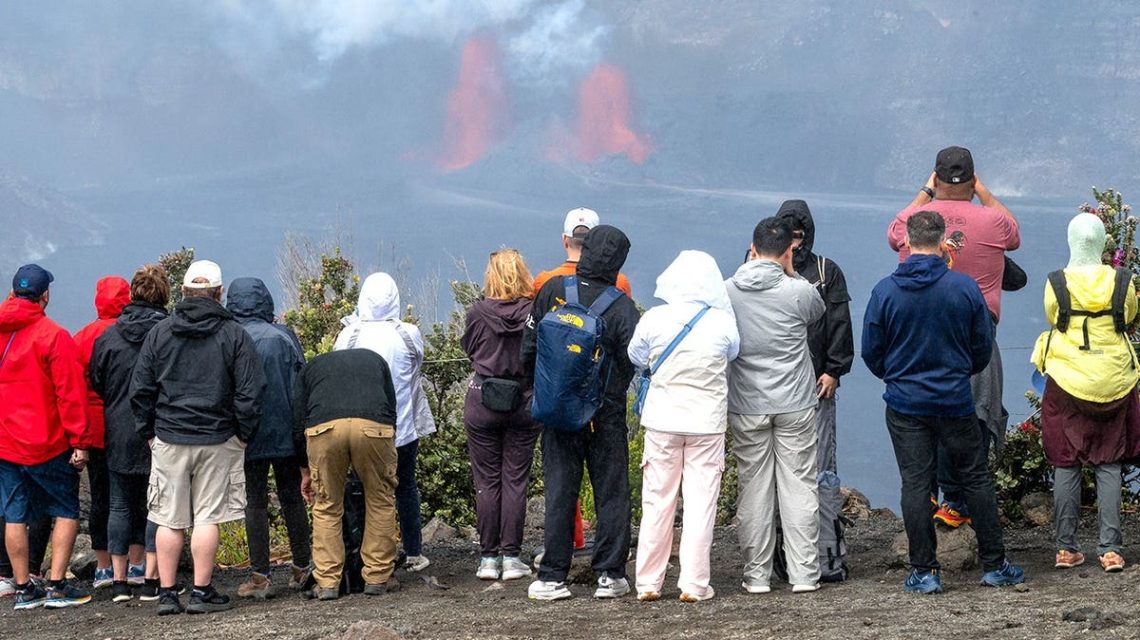
The Kīlauea volcano in Hawai’i Volcanoes National Park is experiencing renewed volcanic activity, leading to temporary trail closures due to increased earthquake frequency and risks of rockfalls. The U.S. Geological Survey (USGS) issued a notice of volcanic activity earlier in the week, highlighting spattering at two vents after activity beneath the summit.
In response to the heightened seismic activity and rockfall danger, the National Park Service (NPS) announced the temporary closure of Halemaʻumaʻu Trail and an extended section of Byron Ledge Trail, affecting a total of 1.3 miles of trails.
Over 200 shallow earthquakes occurred beneath Kīlauea’s summit the past week, as reported by the Hawaiian Volcano Observatory, underlining the increased volcanic activity. A notable earthquake, measuring magnitude-3.4, caused minor rockfalls along the caldera’s north wall on September 30.
As of Thursday, the Kīlauea volcano remains at a heightened ORANGE aviation color code, the second-highest alert level in the USGS’s four-tier scale. This code signifies increased volcanic activity with potential eruption risks, posing limited hazards to aviation.
During the intrusion from September 30 to October 1, scientists observed new cracks along the caldera floor. While future lava fountaining episodes are anticipated, forecasting them has become challenging due to changing conditions.
Officials and scientists caution about several potential hazards, including harmful gas emissions and small, glassy volcanic fragments that might cause skin and eye irritation. Visitors should avoid exposure to these fragments, especially during windy conditions.
The NPS urges residents and tourists to avoid closed areas and keep a safe distance from unstable cliff edges, as they may collapse unexpectedly. They also emphasize minimizing exposure to volcanic fragments to prevent skin and eye irritation.
Kīlauea, renowned for its frequent eruptions since 1952, is one of the world’s most active volcanoes. Its East Rift Zone experienced nearly continuous activity from 1983 to 2018, culminating in significant eruptions and a summit collapse.
An intermittent eruption continues within Halemaʻumaʻu crater since December 2024, attracting many visitors to the park. The National Park Service documented a surge in recreational visits, with over 1.8 million tourists visiting Hawai’i Volcanoes National Park in 2025, eager to witness the volcanic activity.
 Completion Approaching for World’s Largest Wildlife Crossing in Agoura Hills
 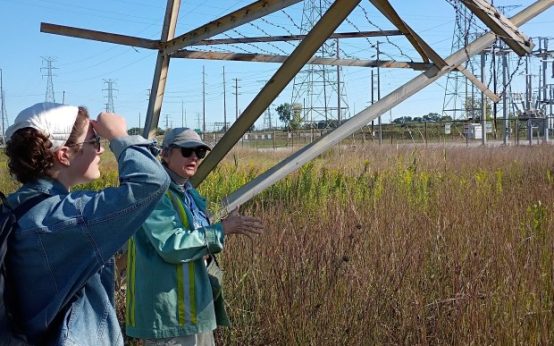 Monarch Butterflies Flourish in Illinois’ Managed Right-of-Ways
 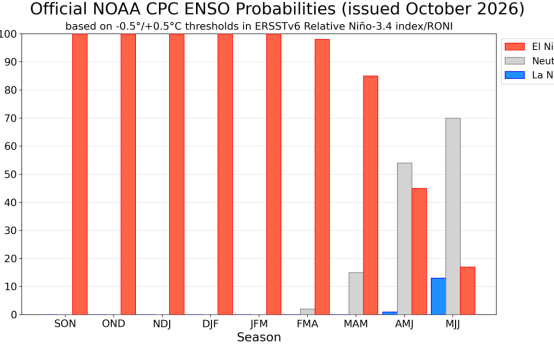 El Niño Strengthens to Historic Levels: What to Expect This Season
  Endangered Species Act and America’s Future Development
  Bokashi Fertilizer Provides Relief for Zambian Farmers Amidst Fertilizer Price Hikes
  Architects Warn of Housing Challenges Amid Climate Change and AI Concerns