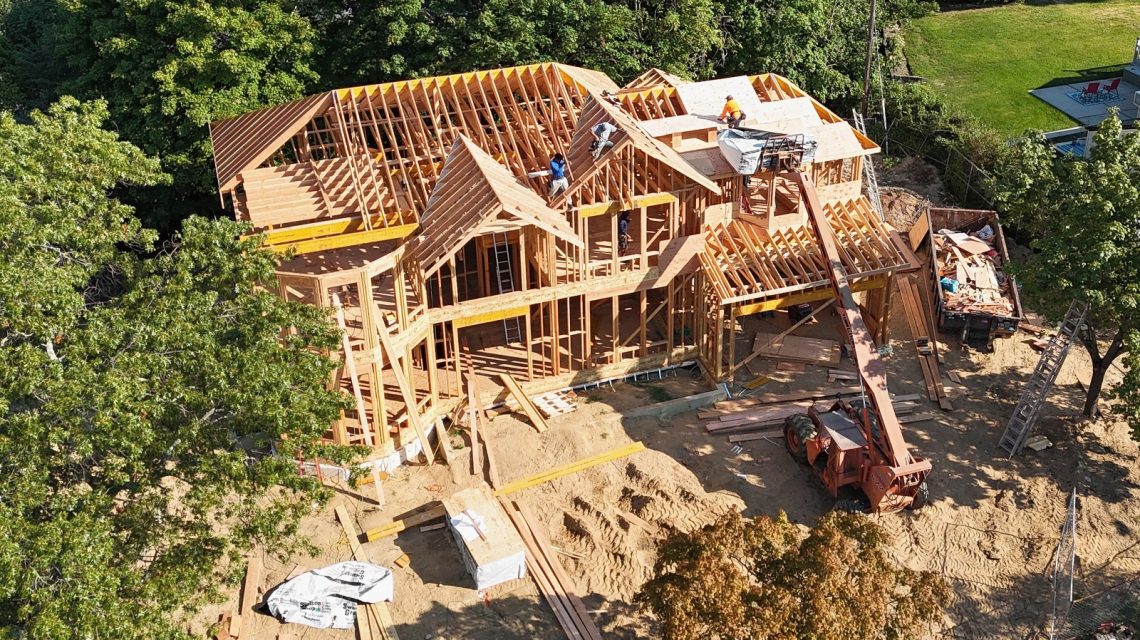
Architects are raising serious concerns about the future of housing during World Architecture Day. With the theme “Housing is a Human Right. Build It,” over 3.4 billion people globally lack secure, safe housing, as reported by the United Nations.
The State of the Nation’s Housing 2026 report from Harvard University highlights ongoing affordability challenges and economic uncertainties straining U.S. housing markets. Climate change is also causing greater damage, with millions of homes at risk.
The Threat of Climate Change
Architect James Saisakorn from The Turett Collaborative emphasized the severe threat climate change poses to society. He advocates for sustainable design choices, shifting from low-density sprawl to multi-family housing near public transit. Using sustainable materials such as cross-laminated timber combined with energy-efficient construction is essential to mitigate climate impacts.
Concerns About Planned Obsolescence
Architect Daniel Baumann and Miles Smith from Graphisoft stress the influence of climate change on safe building locations. There’s emphasis on moving away from short-lived materials, as they result in long-term costs for homeowners. Smith highlights the importance of durable materials and understanding local climate risks in design choices.
Ben Wan from RODE Architects encourages designers to commit to sustainability, noting the industry’s progress amidst challenging economic and political climates. He advises setting ambitious goals and finding partners who share a sustainable vision.
Investment vs. People
Baumann warns against prioritizing property as an investment over residents. He emphasizes cities impact more positively when housing is affordable, resilient, and accessible. Resilience should be integrated into the business case, not seen as an added cost. Design can incorporate flood protection with beneficial public amenities like parks and plazas.
AI and Human Creativity
Max Berger of Fogarty Finger Architecture expresses concern over reliance on AI in design. The American Institute of Architects (AIA) report reveals architects’ optimism about AI automating tasks but 90% were worried about AI inaccuracies and data misuse.
According to Berger, architecture requires human judgment beyond mere space arrangement or cost minimization. AI can test ideas and improve efficiency, but human creativity and judgment must lead. Comfortable, well-designed homes that connect with their communities are crucial for genuine housing solutions.
Designing for Longevity and Evolving Needs
Miles Smith underscores the need for homes that accommodate changing lifestyles and aging populations. Adaptable layouts and accessible features can allow people to stay in their homes longer without significant renovations.
Smith also points to the skilled-trade shortage, with retiring workers not being replaced. Industry leaders must elevate the prestige of these roles to sustain the workforce necessary for meeting housing demands.
 How Little Brown Bat Genes Are Outsmarting a Fungal Killer
  Criminal Investigation Underway at Lineage Cold Storage Warehouse
  Potential of Advanced Nuclear Power in Meeting U.S. Energy Demands
  AI’s Influence on Critical Thinking in Knowledge Work
  U.S. Military Exercises in Arctic Highlight Strategic Shifts
  Supreme Court to Hear Landmark Cases on Climate Change and Immigration