If you struggle with the rough and bumpy skin caused by keratosis pilaris, you’re not alone. The Cleveland Clinic reports that this common skin condition affects 50% to 80% of teenagers and around 40% of adults at some point in their lives. Due to its prevalence, many dermatologists don’t classify keratosis pilaris, or KP as it is often called, as a disease. I like to think of it more as a skin variant,
says Dr. Michael Cameron, a board-certified dermatologist and founder of Cameron Dermatology in New York City.
Although keratosis pilaris is chronic and there’s no known cure, experts advise using over-the-counter treatments to smooth out roughness and dryness. After speaking with dermatologists, I gathered insights on the causes of keratosis pilaris and the ingredients to look for when managing its symptoms. I’ve also compiled a list of products dermatologists suggest to keep KP under control.
Understanding Keratosis Pilaris
Keratosis pilaris manifests as small, rough bumps on the skin, often likened to goosebumps or “chicken skin”. These bumps form due to dead skin cells adhering to hair follicles, causing a rough texture on the skin’s surface. Typically, these bumps appear on the upper arms, thighs, and buttocks of both adults and children, often worsening around puberty.
Dr. Naveed Sami, a board-certified dermatologist and professor of medicine at the UCF College of Medicine, explains, KP occurs when there’s an abnormal, higher production of keratin within the hair follicle—that’s what accumulates and forms those bumps.
Although generally harmless and not painful, concerns regarding keratosis pilaris are often aesthetic.
Causes and Risk Factors
There isn’t a specific cause for keratosis pilaris, but dermatologists highlight that it is primarily hereditary and more prevalent in individuals with eczema. It’s usually present when people are younger, and sometimes it naturally goes away,
states Dr. Michele Farber, a board-certified dermatologist at Schweiger Dermatology Group. Hormonal changes during the menstrual cycle, pregnancy, or puberty can trigger flare-ups, according to Dr. Lindsey Bordone, a board-certified dermatologist and assistant professor at Columbia University Medical Center. KP symptoms also tend to worsen during the winter months when the air is drier.
Choosing Treatment for Keratosis Pilaris
If you deal with keratosis pilaris, maintaining a skincare routine that includes exfoliating ingredients and regular moisturizing can help. Consider the following when selecting products to manage your bumpy skin:
- Product Type: Incorporate both moisturizing and exfoliating products to prevent dryness and irritation.
- Exfoliants: Opt for chemical exfoliants like lactic acid, salicylic acid, and urea to help remove excess dead skin cells.
- Hydrating Ingredients: Look for glycerin, hyaluronic acid, and ceramides to manage symptoms and prevent irritation. Niacinamide can also reduce the appearance of bumps.
Top Dermatologist-Recommended Products
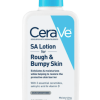
- Best Overall: CeraVe SA Lotion combines exfoliating and moisturizing oils to soothe KP symptoms.
- Most Intensive: Urea cream with 40% urea for those seeking a robust solution.
- Best Cream: A daily cream with salicylic acid and lactic acid formulated to exfoliate and hydrate.
- Best for Very Dry Skin: Eucerin Roughness Relief Cream with urea and ceramides to minimize bumps.
- Best Scrub: First Aid Beauty with 10% AHAs to smooth away bumps and roughness.
- Most Gentle: A non-exfoliating cream by CeraVe for reducing dryness.
- Best Splurge: A lotion with AHAs, BHAs, and urea to improve KP symptoms.
Managing Keratosis Pilaris Effectively
While keratosis pilaris might fade with age, it cannot be cured. However, reducing its appearance and smoothening the skin’s texture is possible with suitable treatments. As Dr. Garshick states, We consider [keratosis pilaris] to be manageable as opposed to curable.
The key is balancing exfoliation with moisture using keratolytics—chemical exfoliators capable of eliminating dead skin buildup.
The most common keratolytic ingredients include:
- Alpha Hydroxy Acids (AHAs): Like lactic and glycolic acids, which encourage cell turnover for smoother skin.
- Beta Hydroxy Acids (BHAs): Such as salicylic acid, aiding in removing dead skin and unclogging pores.
- Urea: A multifunctional ingredient that acts as both a moisturizer and exfoliator.
For managing KP effectively, consistency is vital. Apply exfoliating treatments once or twice a day as tolerated, and follow up with a gentle moisturizer. If you have sensitive skin, limit exfoliation to once or twice a week. Physical exfoliants can assist if used sparingly.
Our coverage is supported by the expertise of dermatologists like Dr. Michael Cameron, Dr. Naveed Sami, and Dr. Lindsey Bordone, who bring specialized knowledge in dermatology.
 Family Files Lawsuit Following Tierra Walker’s Death Due to Preeclampsia
  Concussions Increase Alzheimer’s Risk in Older Adults
  Porsha Williams Opens Up About Her Health Journey
  Communicating with Children about Weight Loss Medications
  Successful Separation of Ethiopian Conjoined Twins
  AI Integration in Healthcare: Navigating Challenges and Opportunities