Understanding the Situation
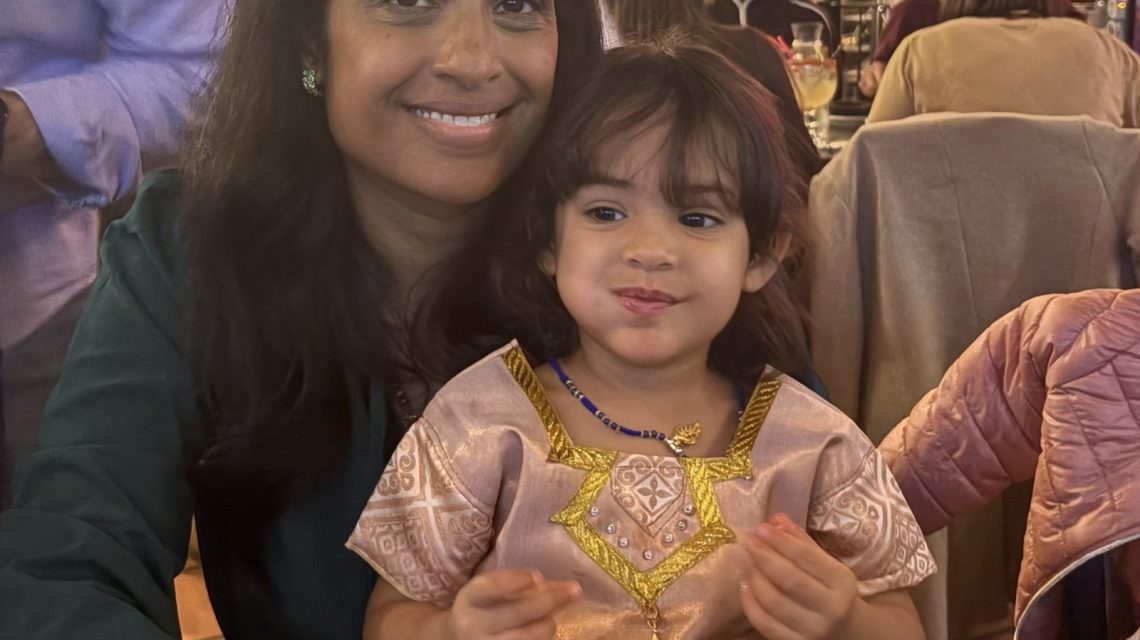
My 3-year-old daughter started preschool, where she encountered an unexpected challenge. She’s new to the school environment, and her small stature often leads people to assume she’s easygoing. One day, she returned home distressed, discussing how classmates called her ‘so sad’. Initially, I thought it was related to separation anxiety, with peers showing empathy. However, repeatedly hearing her recount this, I realized there was a deeper issue.
After probing, it became clear she was encountering her first bully – a larger boy who had singled her out. He taunted her with the nickname ‘so sad’ and got others to join. For her, ‘sad’ implied feeling pathetic and vulnerable. This daily taunting left her upset and isolated.
Addressing the Issue
The school and some parents, whom I approached, seemed to dismiss this as an expression of empathy. The bully’s mother assured me she would discuss it with the teacher, but nothing changed. The bullying persisted, subtle yet impactful, as it lacked overt aggression but inflicted emotional distress.
Guidance from teachers focused on telling her to ignore, utter ‘no thank you’, and play kindly. This ‘victim should rise above’ mentality was disheartening, especially as a mother committed to fostering self-reliance in a supposedly progressive world.
Empowering My Daughter
This experience led me to teach my daughter kid-friendly comebacks like, “Eat a brick” or “Go kiss a giraffe”, hoping to build her confidence. Although these attempts fell short, I later suggested a stronger line, out of frustration: “You’re a bully, and the police are going to get you.” This wasn’t ideal but reflected my desperation to protect her well-being.
Armed with this new line, she stood up for herself at school. Surprisingly, her peers, once following the bully, joined her instead. This shift drew the teacher’s attention, resulting in a classroom ban on the phrase “You’re so sad”.
Reflections and Lessons
I expressed pride in her courage to stand up, emphasizing that discomfort might be necessary to ensure safety and respect. Society often teaches girls to endure pain gracefully, prioritizing niceness over self-respect. My aim is to prepare her for future challenges, resisting societal pressures to silently endure hardship.
While the approach we took was not perfect, it was a necessary step. This experience affirmed that finding one’s voice often achieves more than silent suffering. Encouraging her to assert herself supports her self-esteem and prepares her to face future challenges assertively.
 City Official Killed in Electric Scooter Collision
  World Traveler Inspires Youth Through Epic Journey
  Investigation Underway in South Georgia for Fatal Shootings
  The Rise of AI: High-Tech Feudalism and Societal Impact
  Sally Yates Leads Cornell Investigation Amid Sexual Assault Allegations
  Reflections on Adoption and Identity