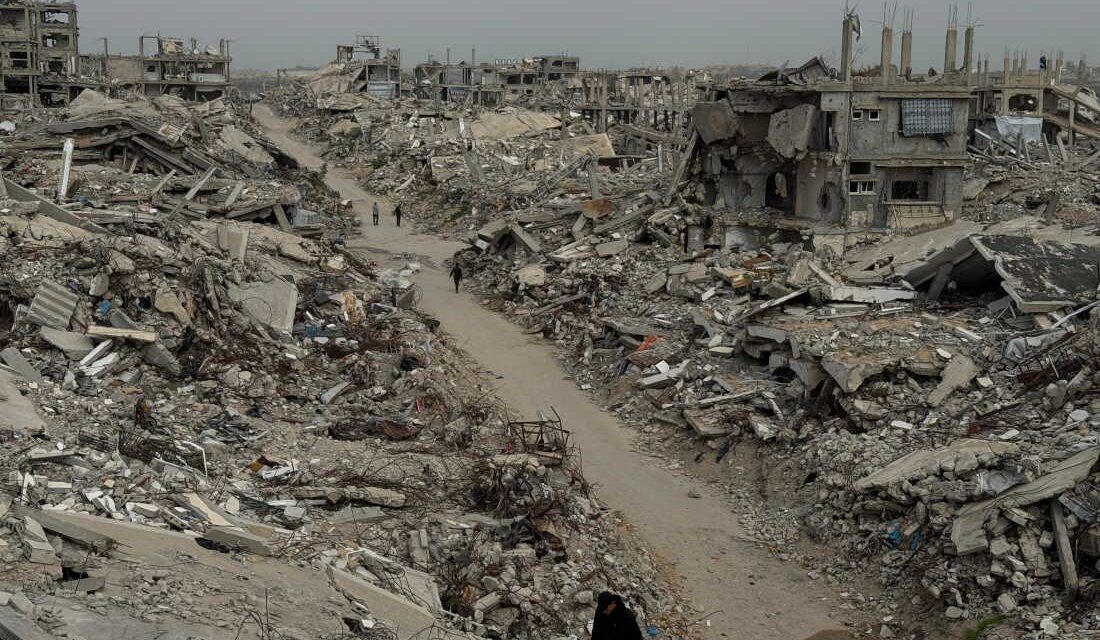
Destruction in Beit Lahia
In October 2024, Israeli strikes devastated a neighborhood in Beit Lahia, Gaza Strip, including a tragic attack on a building that resulted in the deaths of 132 members of the extended Abu Naser family. According to NPR, this location has become one of the first sites for recovery missions aimed at unearthing bodies buried beneath layers of debris. The destroyed five-story apartment building, where the Abu Naser family had taken shelter, represents one of the deadliest incidents in the ongoing Gaza conflict.
“We’ve been dreaming every day of the moment we could recover the martyrs, honor them, and bury them,” said Ola Abu Naser, a 30-year-old survivor. “Every day we felt as if they were calling us, saying: ‘We are here.'”
With an overwhelming estimate of around 8,000 bodies still buried under debris according to Gaza’s health ministry, the recovery efforts have been slow and challenging.
Limited Resources
Currently, there is only one functioning excavator in Gaza, dedicated to body recovery efforts. The International Committee of the Red Cross notes the high demand for excavation services, with nearly 8,000 bodies still trapped under the rubble. The Gaza health ministry highlights the desperate need for additional resources.
Pat Griffiths, a spokesman for the Red Cross, emphasized the inadequacy of resources: “The scale of the need is so high. One functioning excavator is simply not enough.” While efforts were recently made to repair a second machine, logistical and political challenges have delayed progress.
Heart-Wrenching Searches
The arduous task of recovering bodies requires delicate work and grim determination. The recovery team utilizes machinery to lift heavy rubble, followed by rescue workers using their senses to locate bodies. During one recovery session, the remains of Shawqi Abu Naser were identified by clothing alone. Survivors mourn as they identify decomposed bodies, stripping away any semblance of dignity from their lost loved ones.
Recovery of Lost Lives
As the search progresses, the cruel reality becomes evident. Though 50 bodies were discovered over three days, 20 family members remain unaccounted for. The emotional toll of the recovery process burdens survivors with continuous grief and unresolved questions.
Moeen Abu Naser, the father of one of the victims, laments his inability to say goodbye: “I couldn’t say goodbye, I couldn’t help, and I feel helpless.” Survivors, such as Aya Abu Naser, carry the weight of loss as they reflect on the impact of losing their entire family in a single moment.
Implications of War
The humanitarian crisis extends beyond personal loss, with more than 73,000 Palestinians reported killed during the war. Despite accusations against Israel of genocidal actions, Israeli forces deny such claims, citing defensive measures against Hamas as motives for military actions. The strike against the Abu Naser family home followed directives for civilians to evacuate during periods of intense military engagement.
Satellite imagery shows subsequent bombing campaigns that further eroded the neighborhood’s remains. The narrative of devastation underscores the ongoing tension and hardship faced by Gaza’s civilians.
Mourning and Moving Forward
At the mission’s conclusion, funeral prayers unite survivors and civil defense teams, preparing 50 recovered bodies for burial. As the excavator transitions to neighboring sites, new families await their chance to recover their loved ones and lay them to rest, echoing themes of loss beyond comprehension.
NPR’s Daniel Estrin contributes reporting from Tel Aviv, Israel, highlighting the broader implications of wartime tragedy.
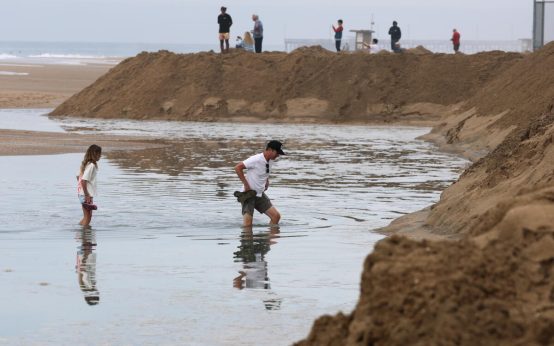 Southern California Braces as Tropical Storm Rachel Approaches
  Trump’s Discontent Over Nobel Peace Prize Decisions
  Trump Urges Replacement of Zelensky Amid Rising Tensions
 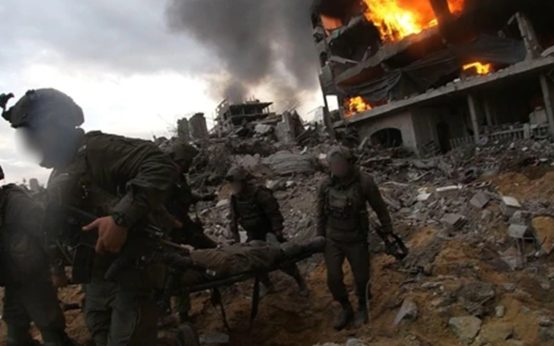 Israeli Advances in Battlefield Medicine Aid U.S.
 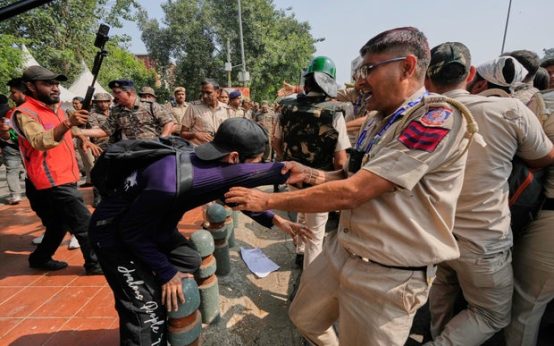 Security Crackdown in New Delhi Amid Protests Against Voter List Revision
  Hurricane Isaias Impact and Related Events