As the 2028 presidential election approaches, both Republicans and Democrats find themselves in uncharted territories. The GOP is gearing up for an election without Donald Trump at the forefront for the first time in over a decade. This absence compels the party to carve out a new identity and path in the post-Trump era. Concurrently, Democrats confront a similar issue, as they currently lack a defined leader and direction.
Former Vice President Kamala Harris tops most national polls for the Democrats. However, past performance in 2024 leaves donors and strategists wary of her running again, creating room for various Democratic hopefuls. The party remains divided between its progressive and establishment members, leading to a wide-open field of potential candidates.
On the Republican side, Vice President JD Vance emerges as a prominent figure. Recently, he has been increasingly visible in public roles, advocating patience and empathy towards frustrations with the current administration. He contrasts with President Trump by acknowledging issues like living costs and the conflict with Iran, urging voters to maintain perspective when they disagree with specific policies.
Vance is distinguishing himself from Trump by embracing a populist approach, criticizing “globalized liberalism” and advocating for “America First.” His foreign policy views diverge from Trump as he supports a more isolationist stance and promotes negotiation in conflicts, evident in his push for last summer’s ceasefire with Iran.
While the vice president’s role traditionally involves promoting the administration’s agenda, Vance appears to be defining his own path within the GOP. Despite Trump’s low approval ratings, Vance benefits from an early lead in 2028 Republican primary polls, especially among MAGA supporters, with an average lead of 16 points as noted by RealClearPolitics.
The Republican field seems narrow compared to the Democrats. Other likely candidates like Secretary of State Marco Rubio remain serious contenders alongside Vance. Florida Gov. Ron DeSantis and Donald Trump Jr. follow suit, holding a smaller portion of the support in the polls.
Trump’s previous success with Hispanic voters in 2024 has waned, with recent polls indicating only 27 percent approval from this demographic. Vance’s stance on immigration might limit his growth among Hispanic voters, given his defense of ICE’s controversial actions.
Vance’s prospects are also tied to the GOP’s performance in upcoming midterms, where Democrats currently enjoy a lead. Recent congressional district polls and surveys of key Senate races suggest Democrats could maintain this advantage. Established Republican figures like Marco Rubio appear to outperform Vance in head-to-head matchups against leading Democrats.
Despite these challenges, Vance’s strategy is calculated. He aims to redirect the Republicans toward his brand of populism, appealing to independents with a more moderate approach. Trump’s endorsement remains crucial, as his support can significantly sway the nomination outcome.
Ultimately, while JD Vance’s success is uncertain, his current actions reveal his political aspirations and intent to influence the Republican Party’s future. The unfolding political landscape suggests formidable hurdles for both major parties as they look towards 2028.
Douglas E. Schoen and Carly Cooperman are pollsters and partners at Schoen Cooperman Research in New York. They co-authored the book “America: Unite or Die.”
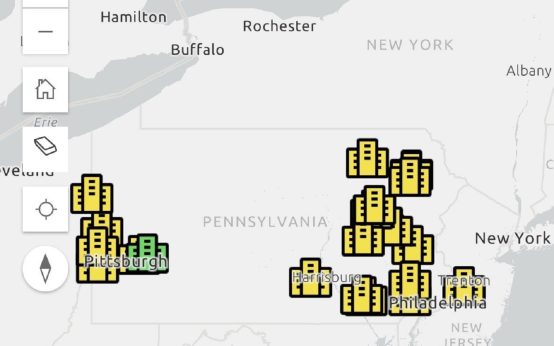 Pennsylvania’s New Tracker Highlights Data Center Development Amid AI Debate
  Alani Bankhead Faces Allegations and Campaign Challenges in Montana
  States Take Action Against Cash Welfare Abuse
 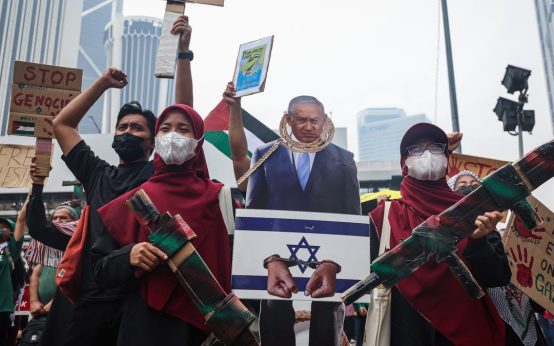 Global Coordination Behind Anti-Israel Protests
  Violence in Twin Cities Spurs Criticism from GOP Candidate
  Jack Smith’s Political Involvement and Controversial Actions