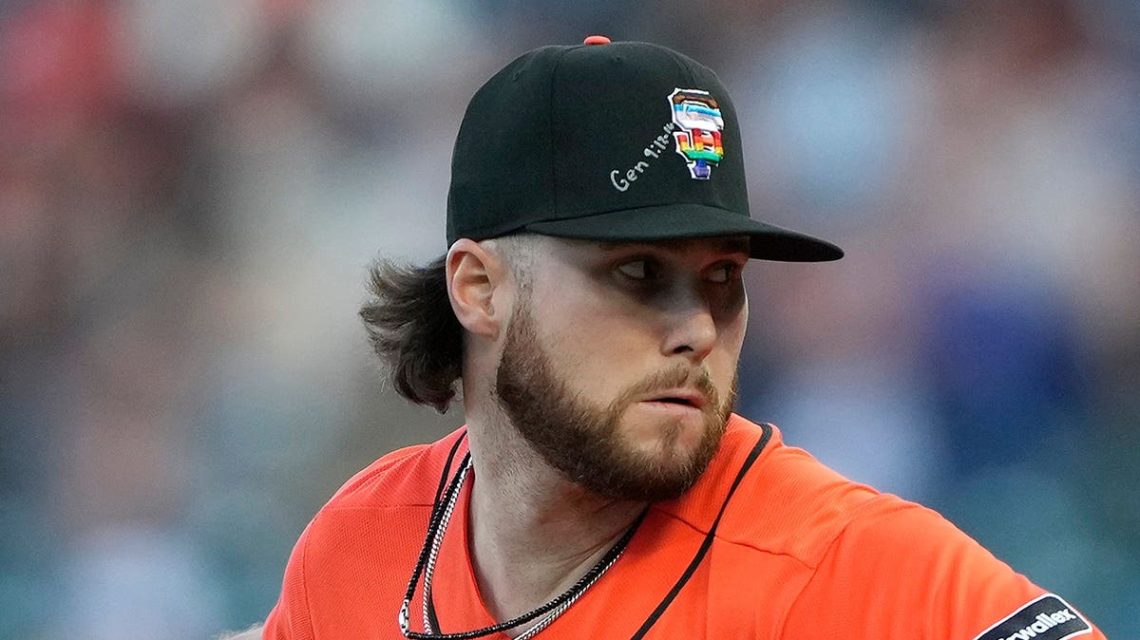
Major League Baseball (MLB) has supported Pride Nights for years, aiming to celebrate and endorse the LGBTQ community. Starting in the early 2000s, teams like the Chicago Cubs, Los Angeles Dodgers, and San Francisco Giants hosted ‘gay days’ and LGBTQ awareness events. By 2016, over a dozen MLB teams held official Pride Nights, with all but the Texas Rangers participating each season.
Pride Nights became a reflection of societal acceptance of gay marriage. Despite this, some Americans remained opposed. Over the years, Pride Nights expanded to include advocacy for various sexual orientations, preferred pronouns, and more. Some teams provided resources related to gender reassignment surgeries.
Notably, the San Francisco Giants welcomed gay couples renewing vows with a drag queen during a Pride Night event. These activities have sparked debate, with conservative Christians viewing them skeptically.
At a recent Pride Night event, San Francisco Giants pitcher Landen Roupp wrote ‘Genesis 9:12-16’ on his Pride Night hat, highlighting the cultural tension surrounding these events.
Opposing Viewpoints on Pride Nights
Pride Nights have sparked discussions, particularly after four Christian pitchers from the San Francisco Giants protested their team’s event. The ongoing dialogue involves league officials, fans, politicians, and players nationwide. There’s a call among some, like myself, to eliminate Pride Nights entirely.
1. Sports Should Be Politically Neutral
Baseball is considered America’s pastime, a space for diverse backgrounds to enjoy the game without political distraction. Some argue sports should be apolitical. However, leagues have increasingly engaged in divisive political activities. This includes supporting Black Lives Matter and relocating the 2021 MLB All-Star Game due to voting law controversies. Some feel these actions alienate fans by blending politics with entertainment.
Critics argue fans desire an escape from politics, but MLB has occasionally operated politically, affecting its role as a unifying force.
2. Players Should Not Be Used as Political Posterboys
Athletes often feel pressured to participate in events like Pride Nights despite ideological differences. For example, Blue Jays pitcher Anthony Bass faced backlash for sharing a video advocating a boycott of businesses promoting transgenderism. Subsequently, the team released him before their Pride Weekend celebration, a move some deem politically motivated.
Many argue players should focus on their sport rather than serving social justice movements. While supporting personal causes is fine, league-sponsored Pride events have pressured athletes to conform to specific ideologies.
3. Pride Nights Are Anti-Christian
The clash over Pride Nights often stems from differing views on sexuality, morality, and identity. Christianity traditionally defines marriage as between one man and one woman. Conversely, Pride events promote ideologies conflicting with Christian faith.
Christian players like Landen Roupp and Sam Hentges, who wrote Bible verses or refused to wear Pride gear, view Pride Nights as contrary to their beliefs. They feel unnecessarily pressured to align with political movements.
While supporting treating everyone with respect aligns with Christian values, they distinguish between recognizing dignity and endorsing perceived sin.
4. Pride Nights Are Not Family Friendly
Critics argue that Pride Nights force parents to discuss sexual ethics with children prematurely. Sports events, they argue, should focus on the game, not social causes. Introducing adult themes and politics into family environments like sports stadiums is said to alienate fans and impact children’s innocence.
5. Pride Functions Like a Religion
Some argue that the modern LGBTQ Pride movement resembles a religious ideology, with its symbols, observances, and moral teachings. It poses fundamental questions about identity and purpose, offering answers that often conflict with Christianity.
Final Thoughts
The debate over Pride Nights highlights broader cultural conversations about faith, identity, and major institutions’ roles in such topics. Critics believe Pride Nights divide rather than unite, pressuring players and clashing with traditional Christian views. They suggest a model similar to the NHL’s approach, which avoids pressuring athletes to conform to ideological displays during games.
Rethinking Pride Nights as ‘community nights’ akin to Faith & Family Nights could mitigate divisiveness. These smaller, localized events wouldn’t pressure players into public ideological displays, allowing them to support causes they choose without professional repercussions.
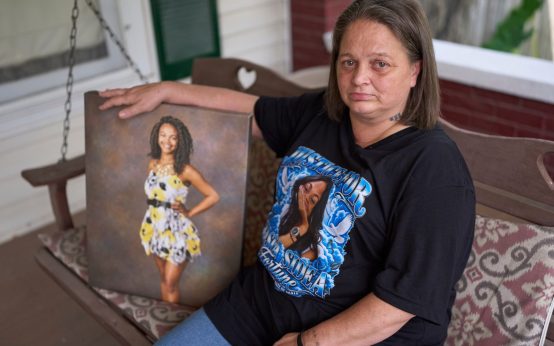 Detective Testifies in Tasia Fortune’s Case: Death Ruled as Staged Incident
 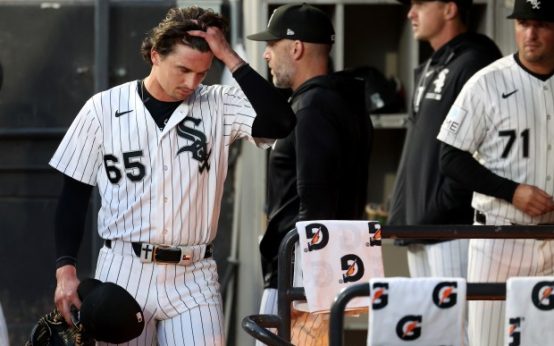 White Sox’s Path to Playoffs Post-Defeat Against Rockies
 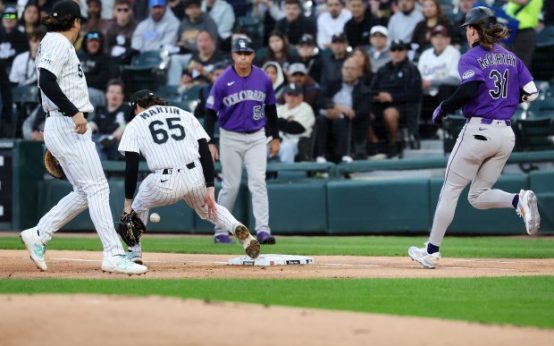 Chicago White Sox vs. Colorado Rockies: Game Highlights and Key Moments
 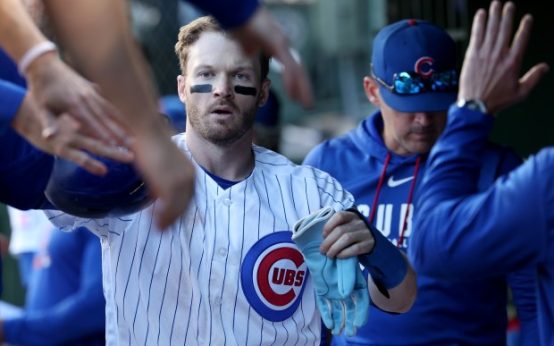 Ian Happ’s Unique Farewell Gesture at Wrigley Field
  Immigration Enforcement Impact on the Cattle Industry
  ESPN Analysts Favor Florida Gators Against Ole Miss