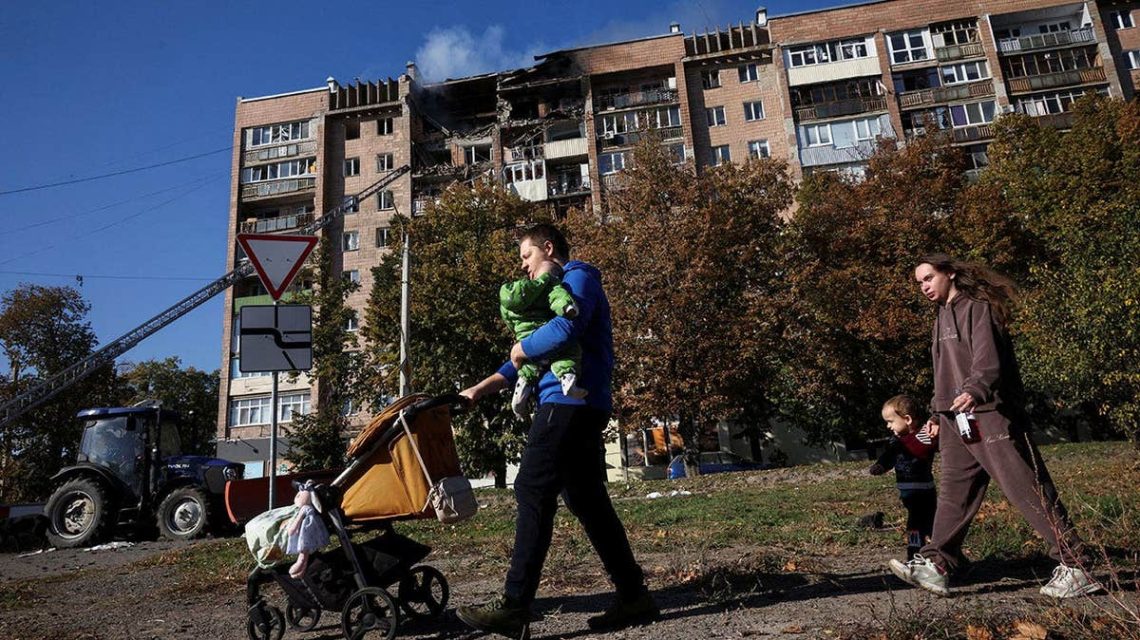
Ukrainian President Volodymyr Zelenskyy addressed ongoing attacks on Ukraine’s energy infrastructure despite an energy ceasefire announced by President Donald Trump. In a discussion with Fox News, Zelenskyy expressed doubts about Russia’s willingness to stop the attacks, noting recent strikes on Ukrainian gas facilities.
Trump declared both Russia and Ukraine had agreed to stop attacking each other’s energy facilities. However, reports indicate Moscow hasn’t confirmed these terms, and attacks have persisted according to Ukrainian officials. Despite Trump’s call for peace efforts, Zelenskyy told interviewer Bill Hemmer that Ukraine would honor the ceasefire.
“We are ready today for an energy ceasefire, as President Trump said. But I’m not sure that Putin is ready,” Zelenskyy stated.
Zelenskyy urged for increased international pressure on Moscow. He emphasized that Ukraine refrained from striking Russian energy sites, adhering to the announced ceasefire.
Contradictions in Ceasefire Agreement
Zelenskyy argued that a ceasefire focusing only on oil refineries wouldn’t sufficiently protect Ukraine’s critical electricity infrastructure. He pledged that Ukraine would refrain from targeting Russian refineries if Russia ceased attacks on Ukrainian energy sites.
President Trump had previously criticized Ukraine’s actions against Russian refineries, attributing them to increased global fuel prices. Zelenskyy countered, indicating that disruptions in the Strait of Hormuz were responsible for diesel price fluctuations.
Tensions Over Political Leadership
The interview also revealed tension concerning Trump’s suggestions for Ukrainian leadership changes. Zelenskyy responded by asserting Ukraine’s sovereignty in deciding their leadership.
“If President Trump wants to change the leader in Ukraine, he has to know that only our people can change,” Zelenskyy said.
He explained that elections were untenable amid ongoing hostilities and security threats. Zelenskyy described ongoing Russian drone and missile attacks hindering any electoral processes.
Continued Russian Aggression
Reports of Russian attacks on Ukrainian energy targets continued after Trump’s ceasefire announcement. Ukrainian charge d’affaires Denys Sienik reported multiple attacks on power plants and residential areas, exacerbating Ukraine’s energy and humanitarian crisis.
Russian Foreign Minister Sergey Lavrov dismissed the idea of a ceasefire to enable Ukrainian elections. He suggested any ceasefire would allow European nations to resupply Ukraine, hindering Russian military efforts.
Criticism of Trump’s Diesel Deal
Trump’s decision to ease restrictions on Russian diesel imports drew criticism. Detractors argue it could strengthen Moscow’s financial resources, undermining efforts to hold Russia accountable.
Carrie Filipetti from the Vandenberg Coalition questioned whether the new diesel deal would erode U.S. leverage over Putin. She emphasized the importance of maintaining pressure to achieve a valid ceasefire.
Conversely, Morgan Murphy, former head of public diplomacy, supported Trump’s negotiation efforts. She emphasized that both sides were suffering in the ongoing conflict, advocating for a negotiated resolution.
Zelenskyy highlighted the human cost of the war, citing casualties as a pressing concern. Despite challenges, a ceasefire remained a crucial step toward resolving the conflict.
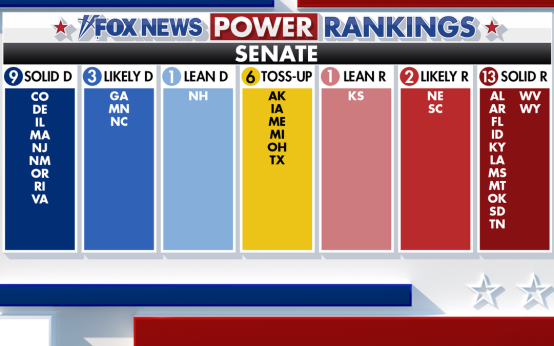 Democrats Face Spending Challenges in Midterm Elections
  Katie Zacharia Takes on Role of White House Press Secretary
  South Carolina U.S. Senate Debate: Graham vs. Andrews
 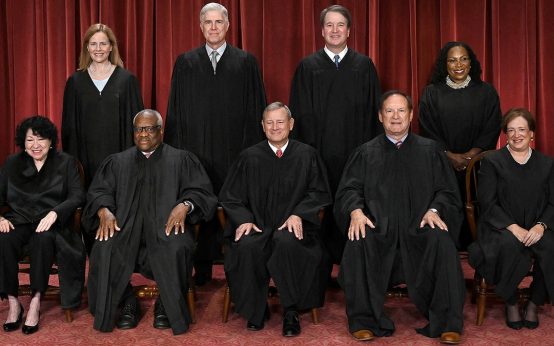 Debate Continues Over Expanding U.S. Supreme Court
  Fox Nation’s Documentary on Alleged Trump-Russia Collusion Plot
  Debunked Claims of Celebrity Endorsements for Trump