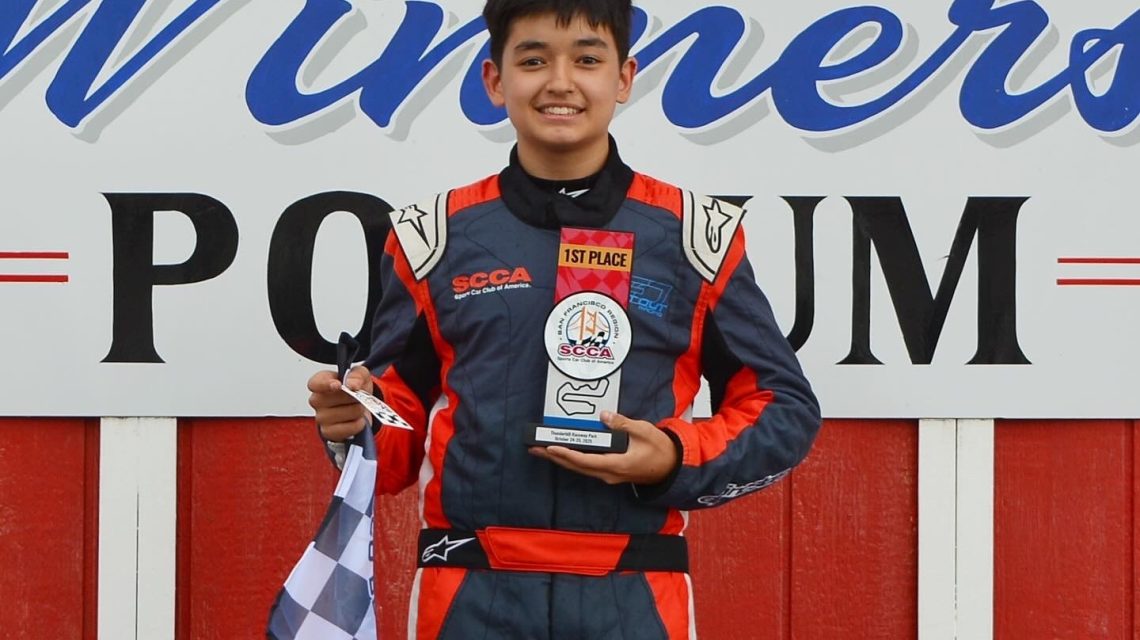
Becoming a leading racing driver involves more than just skill in the sport. Mastery in areas like race craft and car control is essential. Yet, the financial demands are substantial. This dual challenge turns young drivers into savvy marketers as much as track competitors.
At 15, Asad Nikadambaev has already marked significant achievements in racing. To advance to a professional level, he’s building his brand. He aims to attract sponsorships through an effective social media presence, essential for climbing the racing ladder.
Financial Challenges in Racing
Competing at higher levels comes with steep costs. Asad’s father, Odil Nikadambaev, highlighted that costs for the 2027 season might reach $350,000. This amount precedes expenses for travel, lodging, and repairs. Comparatively, hiring a go-kart for a day costs $25-$50 when Asad started.
“Most families can’t afford that. Neither can we. At that point, we need to look for partners and brands to collaborate with to advance through USF Juniors,” Nikadambaev shared via email.
Asad’s journey reveals the intersection of sports and business. Aspiring athletes often need to secure their own funding sources. This raises concerns about minors pursuing online visibility, with research indicating high instances of online abuse and predatory behavior.
Building an Online Presence
Launching in January, Asad’s YouTube channel now boasts over 60,000 subscribers. A viral video garnered over 10 million views. These online milestones might attract sponsors to cover necessary racing expenses, such as a car, maintenance, team, engineers, testing, tires, and travel.
Progressing from Aspiring Driver to Pro Racer
Asad’s notable achievement came at the Hoosier Racing Tire SCCA Super Tour in California’s Buttonwillow Raceway Park. He won first place in a Spec Racer Ford Gen3, outracing national champions. The Sports Car Club of America offers an entry path for drivers, and Asad targets competing in the USF Juniors, a step towards Formula One or IndyCar racing.
“This honestly means so much. Me, my dad, and my family have sacrificed a lot to reach this point, and we are prepared to sacrifice more to reach the top,” Asad reflected.
Asad’s case illustrates a shift in sports marketing. Historically, sponsorships centered on brand exposure. Today, sponsors value engaging stories and authentic content that resonates with fans, noted Tom Potter, CEO of Rush Group, a sports marketing firm.
Building sponsorship for USF2000 and beyond is challenging. Even talented drivers face commercial hurdles. Personal branding plays an increasing role in young drivers’ careers. According to Potter, if two drivers have similar ability, the one with better fan reach and marketing is advantaged.
Online Challenges
The online environment poses risks, especially concerning for minors. Professor Andrea Geurin from NYU’s Tisch Institute for Global Sport found many young athletes weren’t educated on online abuse. Asad’s father currently manages his social media, using tools to reduce unwanted activity. This allows Asad to focus on racing and creating content.
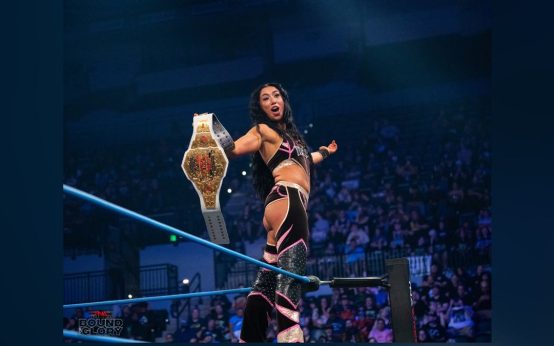 Indi Hartwell’s Path to TNA Knockouts Championship Victory
 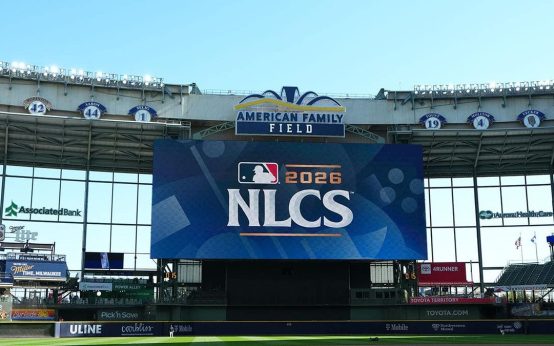 Brewers Triumph Over Dodgers in NLCS Game 1
 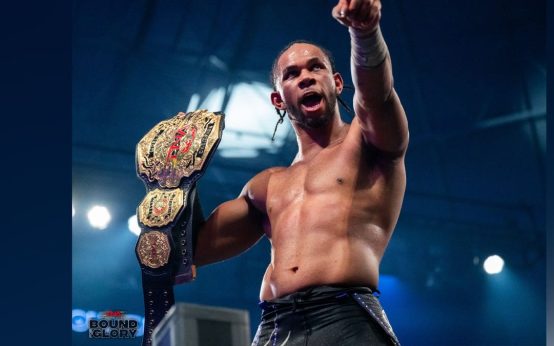 Leon Slater Makes History as Youngest TNA World Champion
 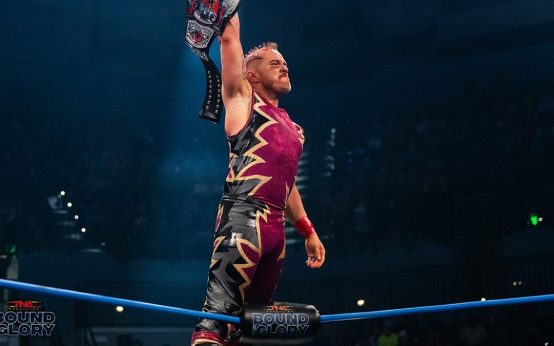 Amazing Red Reclaims TNA X Division Championship in Dramatic Match
 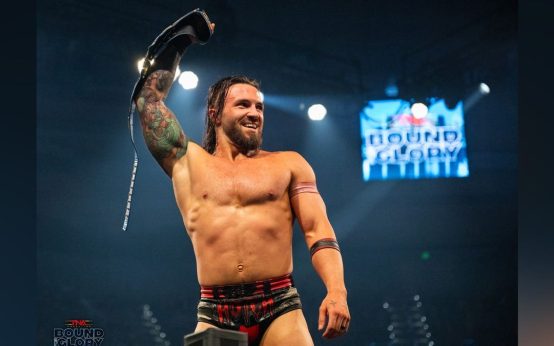 Order 4 Battles for Championship at Bound for Glory
 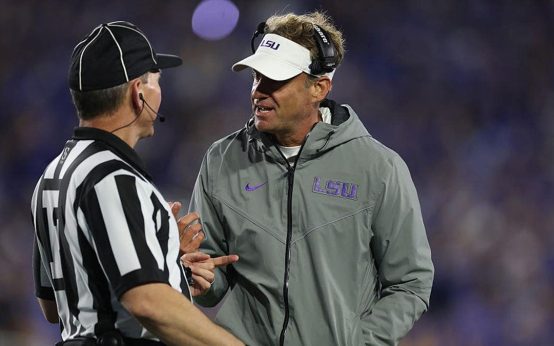 Chaos in College Football: Unpredictable Outcomes and Discontent