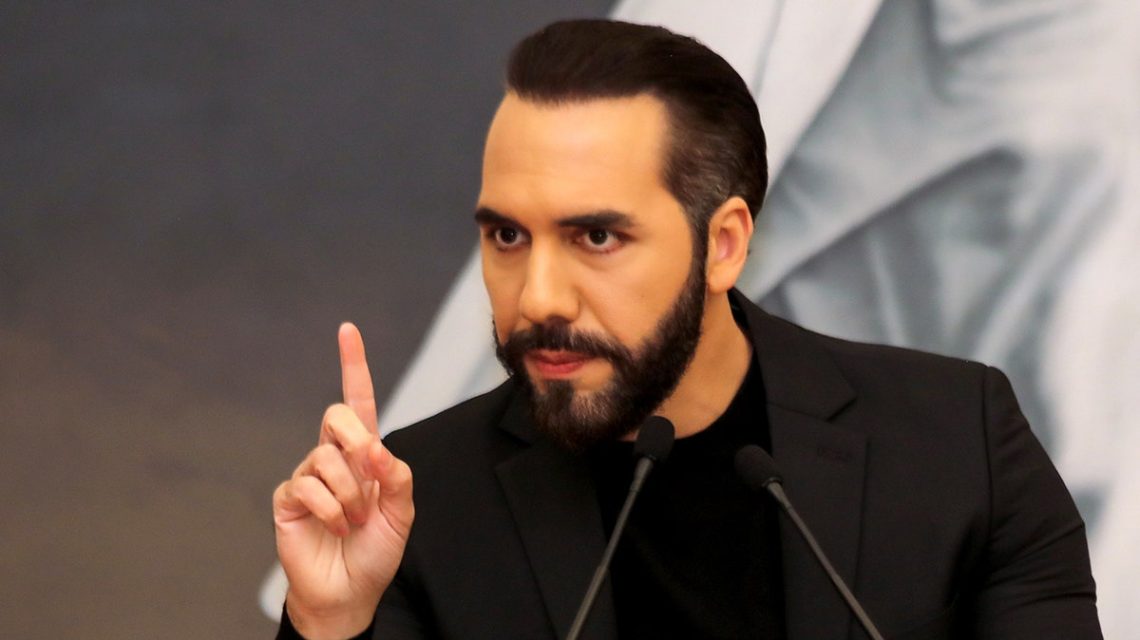
Salvadoran President Nayib Bukele has announced a significant plan aimed at reducing the prison population by potentially allowing the conditional early release of up to half of those detained under a state of emergency. This emergency measure led to the detention of more than 90,000 people over the past four and a half years as part of efforts to combat violent criminal gang activity.
Focus on Gang Collaborators
The plan, revealed on Tuesday evening, targets prisoners defined as gang collaborators. This includes individuals often involved indirectly with gang activities, such as lookouts and those making extortion payments. Bukele acknowledged the widespread nature of gang collaboration, noting, “There are many people who have indeed committed crimes, but their crime was collaborating with gangs.” He emphasized that widespread arrests would mean detaining about 20% of the population.
No detailed plan was provided, but authorities aim to review cases to assess possibilities for early release paired with monitoring. This initiative might impact half of those detained during the state of emergency.
State of Emergency Background
The emergency was declared in March 2022 following a violent incident resulting in over 60 deaths in a single day. Initially meant for 30 days, it has been extended multiple times. The declaration led to a noticeable decrease in the country’s homicide rate, boosting El Salvador’s appeal as a tourist destination. However, it came with restrictions on constitutional rights such as the right to know reasons for detention, access to legal counsel, and visitation rights.
Bukele stands firm on the emergency’s necessity, seeing it as crucial in controlling rival gangs MS-13 and Barrio 18. Yet, human rights organizations criticize the declaration, reporting over 6,000 complaints and at least 575 deaths of detainees during it.
Criticism and Defense
Critics, including human rights groups, argue that releasing prisoners isn’t enough to address the harm of prolonged detention. Bertha Deleón, an exiled lawyer, contended that victims deserve more than freedom, pointing to various damages caused by their imprisonment.
Bukele responded to the criticism by emphasizing the importance of siding with gang violence victims. He affirmed the need to retain the state of emergency but expressed his desire to conclude it eventually.
Homicide Rate Decline
Under Bukele’s leadership, El Salvador has seen a sharp decline in homicide rates. Government statistics highlight a drop from over 100 murders per 100,000 residents in 2015 to an estimated 1.3 per 100,000 in 2025. However, this decrease is partly attributed to a narrowed homicide definition, excluding police killings, prison murders, and bodies in unmarked graves.
The Associated Press has contributed to these findings.
 Democrat Challenges Republican Lead in Mississippi Senate Race
  U.S. Military Expands Operations in Latin America
  Voter Discontent with Trump Shapes Midterm Decisions
  Concerns Over Public Execution Proposal and Christian Nationalism
  Tragic Roof Collapse at Peshawar School: 28 Dead, Many Injured
  Harry and Meghan’s Return to Nottingham: A Day of Charitable Engagements