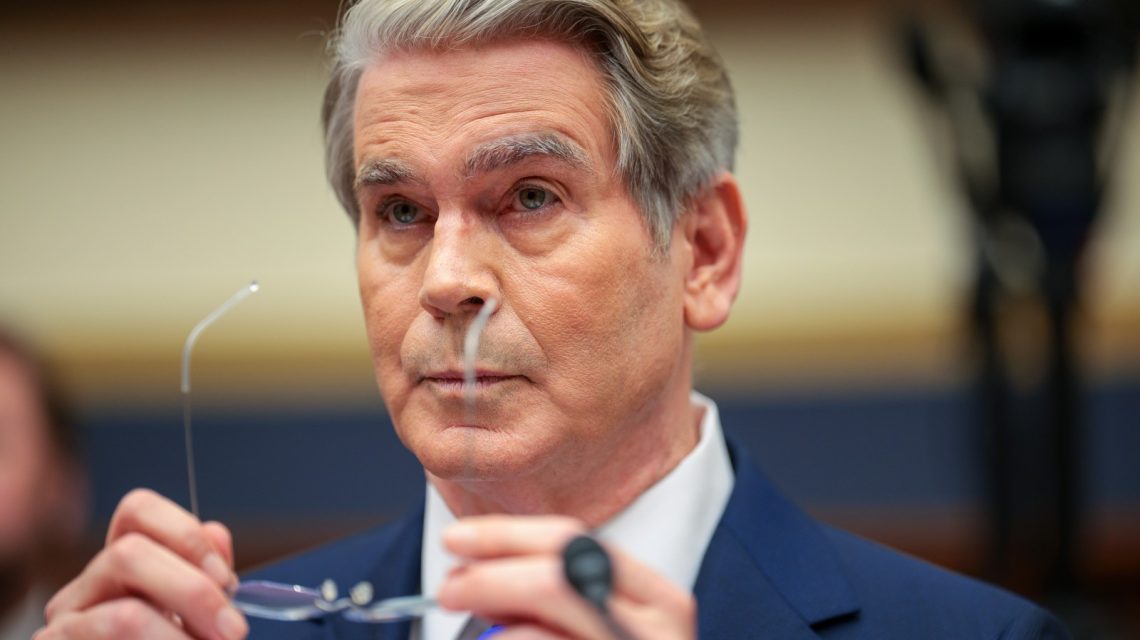
Treasury Secretary Scott Bessent has advised Ukrainian President Volodymyr Zelensky to exercise caution following Zelensky’s comments about a temporary halt in U.S. intelligence sharing during Russian missile attacks. The discussion took place during separate interviews on NBC’s Meet the Press.
Zelensky expressed gratitude for the restored intelligence sharing but highlighted a critical gap that Ukraine faced during three days of Russian missile strikes. He noted the importance of U.S. intelligence, particularly for detecting ballistic missile launches, despite assistance from European nations during the temporary suspension.
Bessent refuted any claims linking the Trump administration to the lapse, calling Zelensky’s allegations reckless. When asked about the cause of the interruption, Bessent stated his lack of knowledge concerning the issue, reaffirming the administration’s stance against such actions.
“President Trump and Secretary Rubio have categorically said that no one in the Trump administration did that,” Bessent stated.
Reports of missed warnings about Russian missile launches had surfaced earlier, with Ukrainian officials reporting a lack of advance alerts from international partners for missile attacks during the week. These events have prompted scrutiny of the intelligence-sharing mechanisms between the U.S. and Ukraine.
Bessent responded to questions about the U.S.-Ukraine alliance by highlighting ongoing support but refrained from direct classification of Ukraine as an ally.
Zelensky also raised concerns about Starlink, a satellite network essential for Ukrainian military operations, suggesting U.S. government involvement in throttling the service. Although he did not specify which department initiated the decision, he attributed the communication to a directive from the American government, executed by SpaceX.
The restrictions, according to Zelensky, impede Ukraine’s defense capabilities against Russian drone attacks, urging for the limitations to be removed.
“Just give us back Starlink,” Zelensky pleaded.
President Trump and his administration have denied involvement in the decision to restrict Starlink. Bessent reiterated statements from Trump and Secretary of State Marco Rubio discrediting such allegations.
The growing discord between Trump and Zelensky extends beyond intelligence sharing, touching on broader diplomatic issues involving Russia and energy strategies. President Trump’s recent moves, such as an agreement with Vladimir Putin to enhance Russian diesel supplies and waivers affecting sanctions, have added friction to the relationship.
President Trump has been vocal about his perception of Zelensky as challenging to work with compared to Russian President Putin. Zelensky, on the other hand, emphasized his commitment to being forthright about U.S. policies that may favor Russia.
“I can’t applaud any decisions or any words of one or another leader if they go against Ukraine, if they are supportive for Russia, and directly for Putin,” Zelensky remarked.
Bessent defended the administration’s selective easing of economic pressures on Russia, clarifying that only the diesel embargo had been lifted.
 Macron Faces Criticism Amid Violent Protests in France
  Pope Leo XIV Resumes Duties After Lung Cancer Surgery
 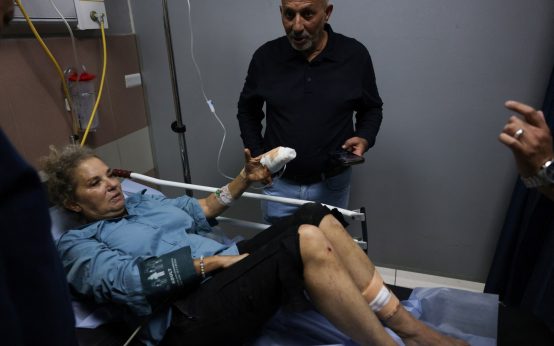 U.S. Calls for Action After Journalist Attack in West Bank
 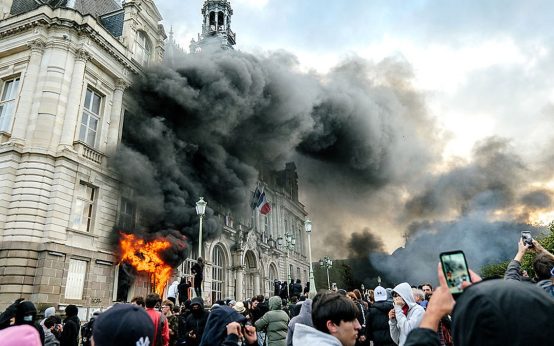 Escalating Violence in France Raises Concerns for Upcoming NFL Game
 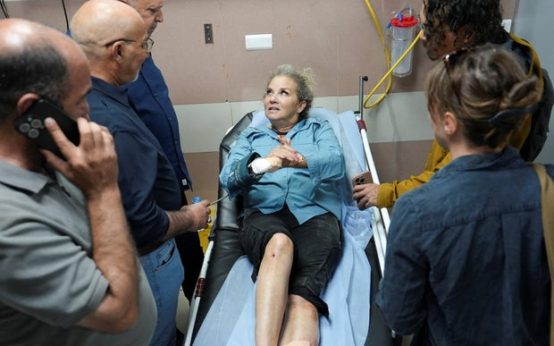 U.S. Ambassador Condemns Attack on American Journalist in West Bank
 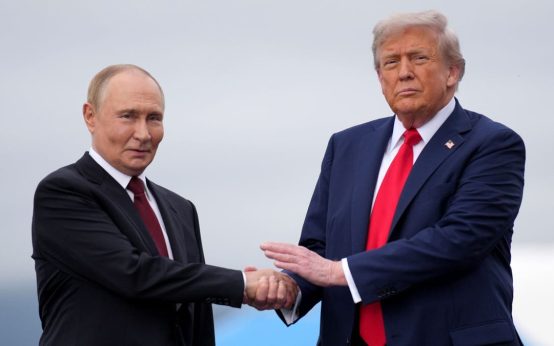 Trump’s Diesel Deal with Russia: Analyzing the Impact and Opposition