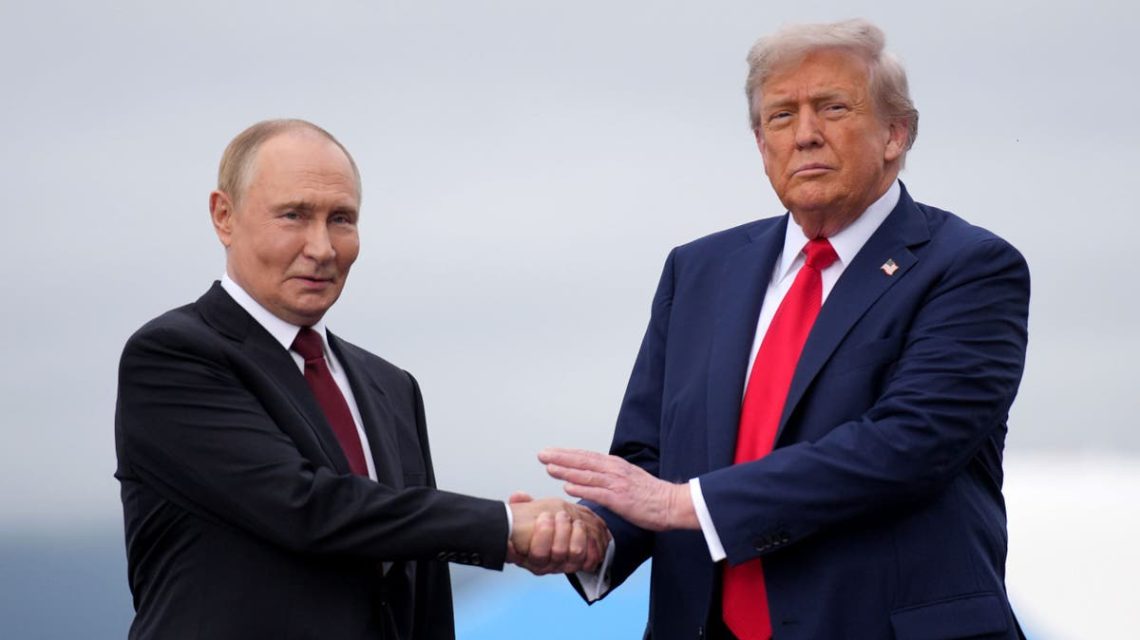
Trump Eases Economic Pressure on Russia
President Donald Trump’s administration has decided to temporarily reduce restrictions on Russian diesel exports. This move aims to incentivize Russian President Vladimir Putin toward a peace agreement. The broader goal is to test whether providing economic incentives can succeed where sanctions have not. The temporary easing of these restrictions faces criticism from both political sides.
Opposition from Congress
Republicans on Capitol Hill expressed their concerns about whether this strategy would significantly affect prices for American consumers. Six Republican senators joined Democrats in urging Trump to reverse the decision. Similarly, five House Republicans signed a bipartisan letter seeking to revoke the authorization from the Treasury.
Approaching Sanctions Deadline
Washington is approaching an Oct. 18, 2026, deadline to implement a comprehensive new sanctions law, aiming to increase pressure on Russia economically.
Senators Label Strategy a ‘Betrayal’
The decision drew strong reactions, labeled as a ‘betrayal’ by some bipartisan senators. They demand scrapping the diesel deal, arguing it undermines US allies.
Administration’s Defense of the Agreement
The Trump administration argues the decision serves dual purposes: adding supply to global fuel markets and showcasing potential economic benefits from improved US-Russian relations. No necessity for the diesel to be shipped to the US directly exists, according to Trump.
Energy Analysts Express Skepticism
Despite the agreement, analysts hold mixed feelings. John Hardie, deputy director of the Russia Program at the Foundation for Defense of Democracies, questions the volume’s impact on prices. He argues for a more reciprocal energy exchange deal between Russia and Ukraine.
Russia Continues Attacks Despite Agreement
With no visible concessions from Russia, attacks on Ukrainian energy infrastructure continue. Trump’s call for an immediate energy ceasefire failed to halt these attacks. Russia, in fact, intensified its operations as winter approaches.
Putin’s Focus: Legacy Over Economy
Hardie remarks that Putin’s current focus is on his legacy and broader grievances rather than economic well-being. This complicates the notion of leveraging economic incentives for ceasefire.
Congress Moves Toward New Sanctions
Trump signed the Lindsey O. Graham Sanctioning Russia and Iran Act to target Russian officials and entities sustaining the war. The act enhances authority for implementing new sanctions effectively.
Broad Legislative Call for Action
A bipartisan group of 22 House lawmakers calls for revoking the diesel authorization, urging full implementation of the Graham law.
Potential Impacts and Global Significance
Some analysts question the tangible benefit to US diesel prices, suggesting the influence might be limited. This deal tests Trump’s leverage theory—whether hinting at economic advantages to Russia fosters peace negotiations or leads Moscow to persist more aggressively.
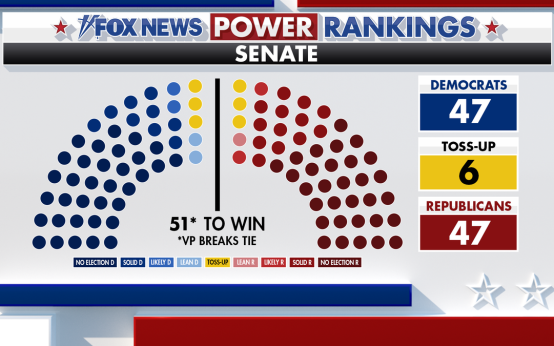 Senate Control Battle Intensifies as Midterms Approach
  U.S. Ambassador Condemns Attack on American Journalist in West Bank
 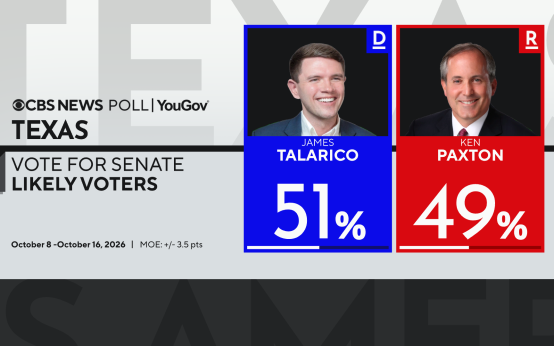 Texas Senate Race Heats Up as Turnout Becomes Key Factor
 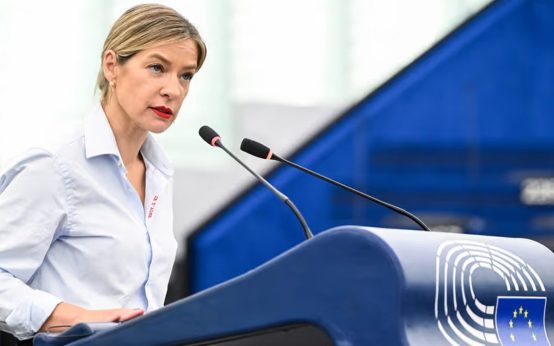 European Parliament Takes Action Against Muslim Brotherhood
  Pope Leo XIV Thanks Faithful Following Surgery
  Hurricane Trudy and Typhoon Champi Impact Regions with Heavy Rain and Strong Winds