Arson Attacks on Ebola Centers
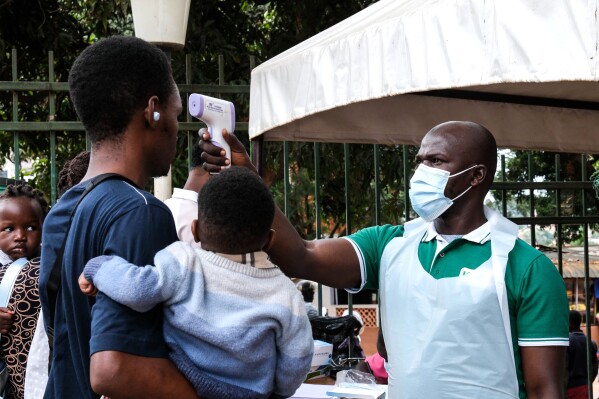
Recent arson attacks on Ebola treatment centers in eastern Congo highlight the challenges faced by authorities battling the outbreak. Local backlash in communities compounding existing obstacles has led to these centers being set ablaze. The region grapples with violence from armed rebel groups, widespread displacement, government failure, and international aid cuts, all contributing to a dire situation.
“A devastating set of emergencies are converging,” stated Physicians for Human Rights.
Persistent Violence in Eastern Congo
Eastern Congo has long suffered from violence by numerous rebel and militant groups, some linked to foreign entities like the Islamic State. M23 rebels, backed by Rwanda, control significant portions of the region. Although the Congolese government maintains control over northeastern Ituri Province, its grip is fragile. The Allied Democratic Forces, a Ugandan Islamist group tied to IS, frequently attacks civilian targets, exacerbating instability.
Doctors Without Borders previously reported deteriorating security in Ituri, prompting medical personnel to flee, leaving health facilities overwhelmed and in “catastrophic conditions.”
Displacement and Health Concerns
According to the U.N. humanitarian office, nearly a million people have been displaced in Ituri due to conflict. This mass displacement complicates Ebola outbreak management, which is occurring in communities already burdened by insecurity, displacement, and weak healthcare systems.
Gabriela Arenas, a regional coordinator at the International Federation of Red Cross and Red Crescent Societies, expressed concerns about the disease spreading in large displacement camps near Bunia, where initial cases emerged. Authorities report over 700 suspected Ebola cases and 170 deaths primarily in Ituri, but cases span North Kivu, South Kivu, and Uganda.
The outbreak requires coordinated management by government forces, rebel authorities, and various aid agencies.
Impact of Aid Cuts
International aid cuts by the United States and other affluent countries severely affected eastern Congo. These cuts diminished capacity to identify and respond to infectious disease outbreaks, stated Thomas McHale, public health director at Physicians for Human Rights.
Despite Congo’s experience with prior Ebola outbreaks, aid groups lack essential equipment like face shields, suits, testing kits, and materials for safe burials of contagious bodies. Julienne Lusenge, president of Women’s Solidarity for Inclusive Peace and Development, stated, “We have made requests to different partners, but we have not yet received anything.”
The Bundibugyo Ebola virus, responsible for the outbreak, lacks an approved vaccine or treatment.
Community Anger and Safety Protocols
Attacks on treatment centers in the Rwampara and Mongbwalu areas, which have the highest case counts, reveal community backlash complicating response efforts. Colin Thomas-Jensen, director at the Aurora Humanitarian Initiative, noted the attacks reflect anger over years of violence from foreign-linked rebels and unmet promises by the government and peacekeepers.
Anger also stems from strict burial protocols to prevent further transmission during traditional burials. Authorities, where possible, supervise burials to limit disease spread. Incidents like the arson by local youths trying to recover a friend’s body showcase disbelief in announcements by foreign aid groups.
As a precaution, northeastern Congo has prohibited funeral wakes and large gatherings, deploying armed soldiers and police to secure aid worker-managed burials.
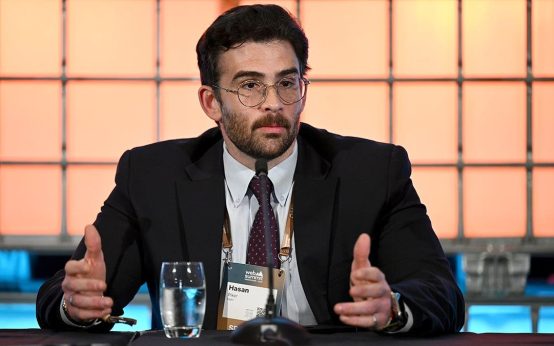 Twitch Streamer Hasan Piker Discusses Controversial Commentary
  A Shifting Political Landscape: The Decline of Autocratic Power
  Recall of Meat Products from Star Meat Delivery Inc.
  Trump Delivers Warning to Iran, Cuba at UN General Assembly
 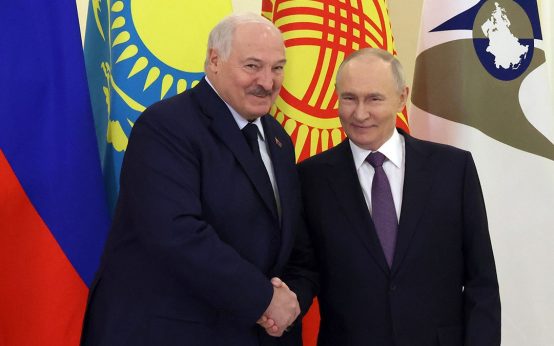 Lukashenko and Putin’s Unique Relationship and Belarus’ Strategic Role
  Alan Ritchson Faces Backlash Over Political Remarks