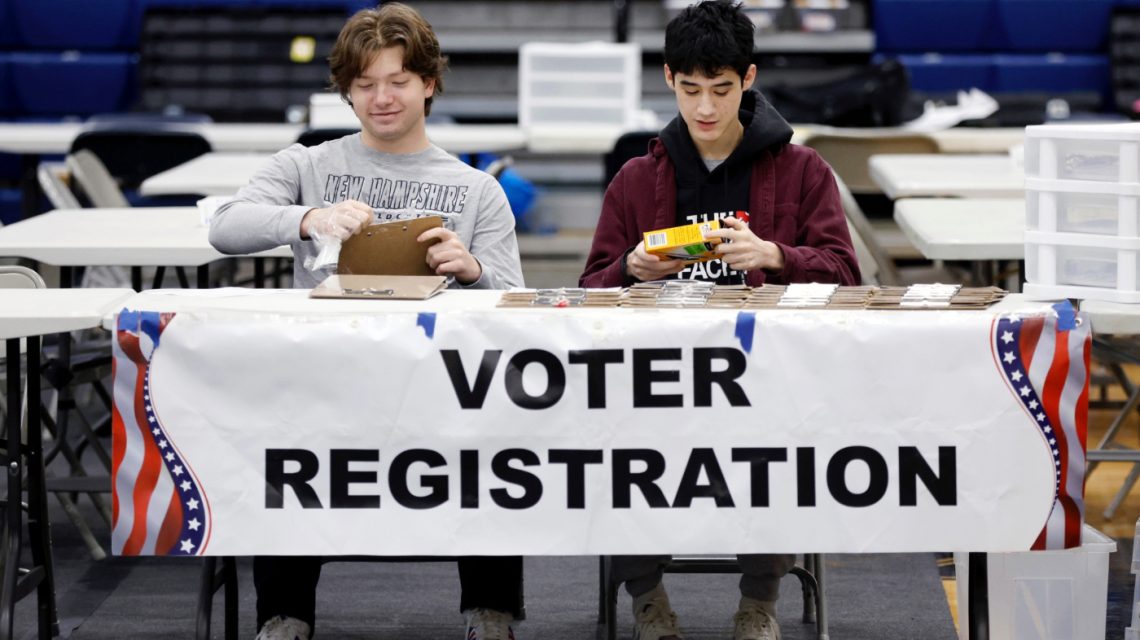
High school students Sawyer Brockman and Jack Skilling actively participated in voter registration at Windham High School during the presidential primary election. This event in Windham, N.H., highlights the significant role young voters could play in the upcoming election night.
The November elections hold considerable potential for Democrats. The extent of their success depends on young voter turnout. Current electoral conditions suggest that young voters might determine Senate control and whether Democrats have a governing majority in the House.
There is a concerning lack of investment in youth organizing, paid media, and online engagement from the left. This issue emerged as the right announced a $1.2 billion investment targeting youth in 2024, markedly outpacing the left by a 10 to 1 ratio.
Lessons from the 2024 election showed the right’s influence on youth, especially non-college-educated young men. Reduced investment won’t yield better outcomes. Recent votes and polling indicate that young people generally support Democrats.
Students and young women continue to be a strong base for Democrats. Meanwhile, young men, previously Trump supporters in 2024, are now shifting away due to the Iran War and economic factors. In key Senate battlegrounds like Texas and Michigan, young voters favor Democratic candidates by margins of 20 to 31 points. Among students, Democrats show a commanding 52-point lead on the generic ballot, according to a September survey.
Despite these statistics, young people show less motivation to vote compared to their older counterparts. They are 21 to 27 points less motivated, potentially impacting the election outcome. Prior data revealed only 28% of Gen Z voting in the 2022 midterms, a stark contrast to 50% in 2024.
Turnout among young voters remains highly variable. Between 2020 and 2024, there was nearly a 7% decline, representing 2.5 million fewer young voters. Unregistered young voters remain an obstacle, with 40% of Gen Z and 36% under age 35 unregistered. Additionally, a segment registered yet failed to vote in 2024.
Frequent relocations among young voters complicate consistent turnout. As of 2025, 36% of those under 35 reported moving in the past two years, with 52% in the past four years. College student movements across state lines add to this challenge, particularly in battlegrounds.
Republican efforts have made student voting more difficult by limiting on-campus polling and student ID use, seen in states like North Carolina and New Hampshire. However, young organizers have countered these challenges. Efforts include North Carolina College Democrats educating students on polling changes and the Voters of Tomorrow securing campus polling in Virginia.
Reaching young voters requires innovative approaches due to their reduced exposure to traditional media. They exist in online communities beyond traditional broadcasts or advertisements.
Effective engagement depends on leveraging current channels and trusted individuals. Although Democrats remain favored by young voters, turnout is crucial for translating this support into electoral success.
Opportunities exist with same-day voter registration available in 28 states, alongside deadlines within 15 days of Election Day. The battle for the youth vote remains active and critical to future victories.
Celinda Lake, a Democratic pollster, and Eve Levenson, Voters of Tomorrow’s board chair, emphasize the need for strategic engagement with young voters. Recognizing this demographic’s influence is essential for shaping future elections.
 Concerns in the U.S. Over French Riots
 Republican Concerns Over Changing Loyalty of Working-Class Voters
 US Vice President JD Vance Chooses Not to Endorse Netanyahu Amid Israeli Elections
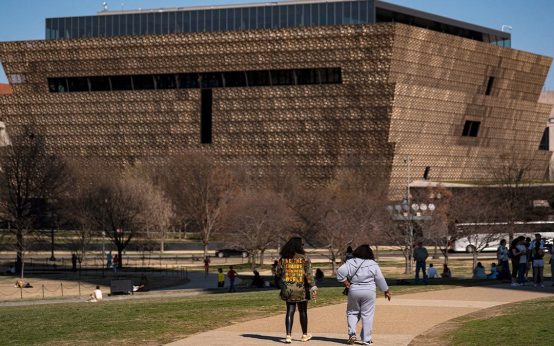 Controversy Over Smithsonian Screening of ‘White Guilt’ Documentary
 Rising Violence in Europe and Its Political Impact
 Matthew McConaughey Sparks Debate on America’s Two-Party System