Precious metals investors have recently witnessed a remarkable surge in the market, with silver prices pushing past the $100-per-ounce threshold in late January. Although prices have slightly retracted, silver is poised for another rise as investors capitalize on the dip. Similarly, gold prices have seen an impressive climb, surpassing $5,000 per ounce before settling slightly lower. Despite these fluctuations, both silver and gold prices remain much higher than they were a year prior, with silver holding at about triple its early 2025 value.
The volatility in the precious metals market can be attributed to a mix of factors: economic uncertainties from shifting policies, worries about currency depreciation, geopolitical tensions, and speculative buying contributing to both the rally and the downturn. Silver’s distinct dual purpose—its use in industries and its role as a safe-haven asset—adds a unique volatility compared to gold, offering potential rewards for strategic investors.
For those observing these price fluctuations, the primary question is whether the current silver prices present a good buying opportunity. This is especially true for investors considering larger silver bars. Such bars are valuable enough to minimize additional costs while being liquid enough to sell easily. Understanding what constitutes reasonable pricing in the present market is crucial for these investors.
“The current spot price of silver, as of February 4, 2026, is $91.72 per ounce.”
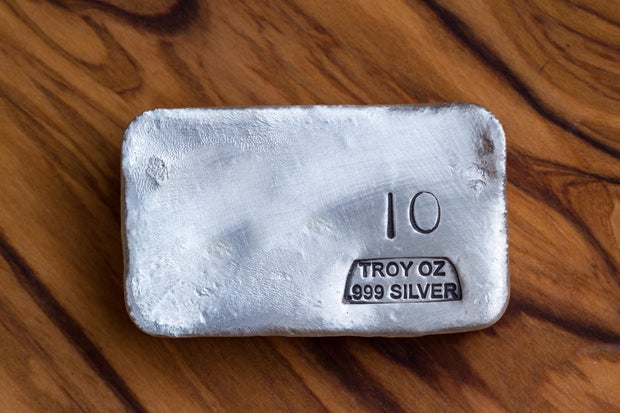
Using this spot price, one might assume a 10-ounce silver bar would cost around $917.20. However, the actual purchase price tends to be higher due to additional costs like dealer premiums, which usually range from 10% to 30% above the spot price based on market trends and dealer stock. Typically, 10-ounce bars come with lower premiums than smaller denominations.
Manufacturing costs are a part of this premium as refining, casting, and certifying the silver bar carry expenses. The premium is also higher for bars from reputable mints known for their stringent quality assurance, as they are more recognizable in resale markets. Market demand significantly affects prices too; during times of economic instability, premiums tend to shoot up due to heightened demand.
The purchasing location also impacts costs. Local coin shops might offer slightly higher prices than online dealers, but they save buyers shipping and insurance charges. Additionally, the payment method can affect the total cost, with credit card purchases often incurring a 3%-4% fee. Savings can be made through payments via bank wire, check, or cryptocurrency. Some dealers also offer volume discounts, decreasing the per-ounce cost if purchasing multiple bars.
Investing in precious metals like silver is a crucial diversification strategy. Unlike gold, silver has substantial applications in various industries, including in solar panels, electronics, and medical devices, which creates a steady demand beyond just investment needs. The continued expansion of renewable energy and technological manufacturing supports silver prices, enduring through fluctuating investment interests.
The 10-ounce silver bar size is particularly attractive for investors. It offers lower premiums per ounce compared to smaller denominations and remains manageable for liquidity purposes. Smaller 1-ounce coins and bars often carry higher premiums, while 100-ounce bars, though cheaper per ounce, pose liquidity challenges as fewer buyers are inclined to purchase such large amounts.
Portfolio diversification is another key advantage. During times of market volatility and inflation, precious metals serve as a hedge, generally acting independently from traditional securities. While silver prices might drop rapidly in market downturns, they also have the potential to rebound dramatically during rallies, presenting substantial gains for investors who are risk-tolerant.
In conclusion, even in today’s volatile market, 10-ounce silver bars present a compelling investment option due to their industrial demand, diversification benefits, and accessible entry price. Still, the spot price of silver is only one of many factors influencing the buying price. Prospective investors should conduct thorough research, select reputable dealers with clear pricing, compare offers, and meticulously consider the payment method to avoid unnecessary costs.