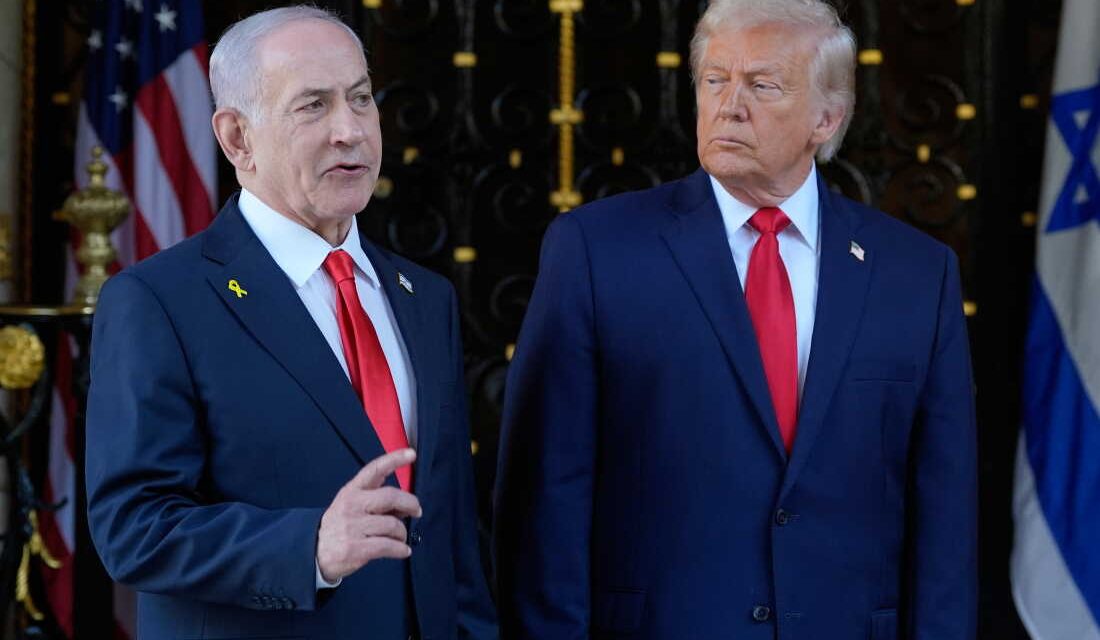
President Donald Trump publicly endorsed Israeli Prime Minister Benjamin Netanyahu during the final stretch of his reelection campaign. The endorsement came at a crucial time as the Israeli elections are set for October 27, following the attack by Hamas on October 7, 2023.
In a social media post, Trump praised Netanyahu as a ‘Great Warrior Prime Minister’ and a ‘Partner for Peace’ in opposition to Iran. This endorsement was significant yet delayed, with Trump previously withholding his support as differences in their Middle East strategies emerged.
Netanyahu, representing the Likud Party, had cited his close relationship with Trump as a key reason for retaining power. Following Trump’s endorsement, Netanyahu expressed gratitude and reaffirmed his commitment to his campaign goals. The Likud Party released a video highlighting the bond between the leaders.
While Trump’s popularity is notable in Israel, the likely impact of his endorsement remains uncertain given the tight nature of the election race. Some Israelis question the efficacy of Netanyahu’s leadership, particularly regarding the unresolved outcomes of the Iran conflict and the ceasefire proposed by Trump, which did not meet several critical objectives.
Trump has threatened to ‘finish the job’ against Iran unless they alter their approach. However, he noted that if Netanyahu loses, the responsibility may fall to the United States, a prospect he prefers to avoid if the leadership changes.
Trump has endorsed Netanyahu in previous elections and even advocated for his pardon on corruption charges. Despite this, Trump’s recent remarks have been more reserved. He distanced himself from endorsement discussions in a Time magazine interview, stating he is no longer involved in politics, even as he continues to support U.S. candidates.
Beyond Israel, Trump has sought to influence various foreign elections. He endorsed leaders like Hungarian Prime Minister Viktor Orbán, Japanese Prime Minister Sanae Takaichi, Polish President Karol Nawrocki, and several Latin American politicians.
Trump and Netanyahu have maintained a close alliance especially following strikes on Iran’s nuclear facilities in 2025. However, disagreements surfaced amid their eight-month-long conflict with Iran. Trump criticized Israel’s decisions, notably its early attack on an Iranian gas field, and described Netanyahu as ‘crazy.’ He also expressed irritation over Israel’s military actions affecting peace negotiations with Iran.
Disputes extended to other areas, such as Netanyahu’s rejection of Trump’s latest Gaza ceasefire plan. This plan called for Israeli withdrawal from Gaza territories, which Netanyahu opposed until Hamas was disarmed.
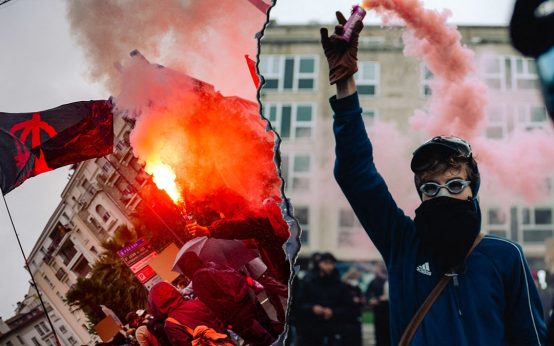 Concerns in the U.S. Over French Riots
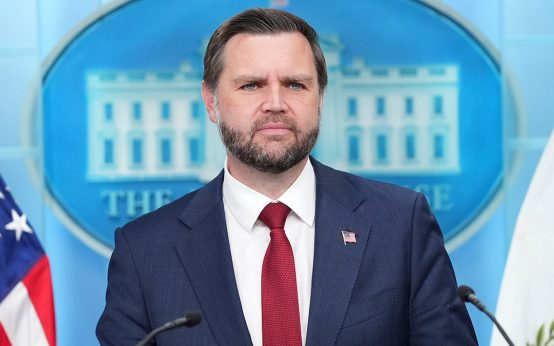 US Vice President JD Vance Chooses Not to Endorse Netanyahu Amid Israeli Elections
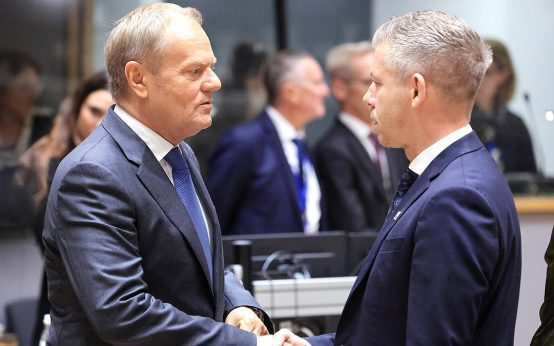 Rising Violence in Europe and Its Political Impact
 Christiane Amanpour to Leave CNN After Over Four Decades
 Ukrainian President Responds to U.S. Abandonment Amid Strained Relations
 Trump Sues BBC Over Documentary Alterations