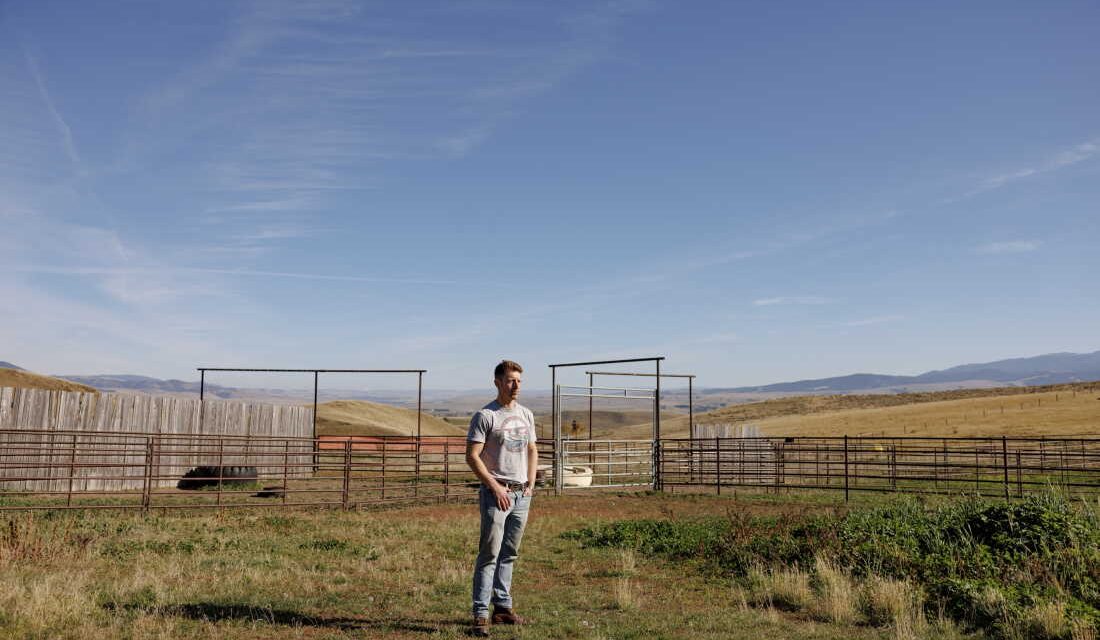
Sam Forstag stands on a ranch near Drummond, Montana. On October 7, 2026, he campaigns for a House seat in Montana’s 1st congressional district. Once a smokejumper with the U.S. Forest Service, Forstag looks to leverage voter dissatisfaction in a midterm election strategy. The Democrats believe that anger at both corporate power and political parties could aid their cause where the economy fails working people.
During his Forest Service career, Forstag earned $19 per hour. The cost of housing in Montana exceeds affordability for many. As vice president of his union in 2022, he grappled with job cuts under President Trump’s administration. His attempts to communicate with his Republican representative, Ryan Zinke, went unanswered. Now, with Zinke retired, Forstag aims to replace him, reaching out to his fellow smokejumpers and wildland firefighters.
Factors such as a growing wealthy population since the pandemic have made Montana’s housing market one of the nation’s priciest. Fuel and grocery costs add to financial strain. Former Senator Jon Tester, interviewed at his family’s Big Sandy ranch, notes that while Trump won the district by a large margin in 2024, current economic conditions might invite voters to reconsider supporting Democrats.
The Democratic Party brand struggles in Montana, a state once balanced between Democratic and Republican support. While some, like voter Sandi Ramos, still support figures like Tester, others hesitate to back Democrats, even with personal respect for candidates like Forstag.
Forstag, running with populist values, emphasizes a change in leadership dynamics, advocating for representatives accountable to ordinary people. His commitment lies with those whose experiences mirror his own, such as beneficiaries of food stamps and hardworking folks outside the political elite.
His approach earns backing across the Democratic spectrum. Progressives like Alexandria Ocasio-Cortez and members of the Blue Dog Caucus express support. This alignment, recognized by Georgetown University’s Michael Kazin, reflects a broader movement. Many Democratic candidates adopt a prairie populist identity, rallying against monopolies, echoing historical 19th-century sentiments.
Joshua Turek from Iowa and Rob Sand, running for governor, illustrate how addressing economic issues can attract diverse support. Candidates in states like Kansas further explore this sentiment, using local allegories to resonate with voters. Elissa Slotkin of Michigan highlights a shared desire for new leadership and bold ideas among fed-up voters.
However, the impact of this strategy may blur with general voter dissatisfaction with Republicans. Forstag’s opponent, Aaron Flint, champions a return to an affordable Montana dream, challenging Forstag’s efforts to connect with middle-ground voters by highlighting his progressive ties.
Voter Nicholas Babcock, once a Trump supporter, feels disillusioned after unmet promises and considers Forstag’s candidacy. In doing so, he looks for a departure from entrenched political norms, hoping for genuine change from leaders accountable to their constituents instead of the establishment.
 Concerns in the U.S. Over French Riots
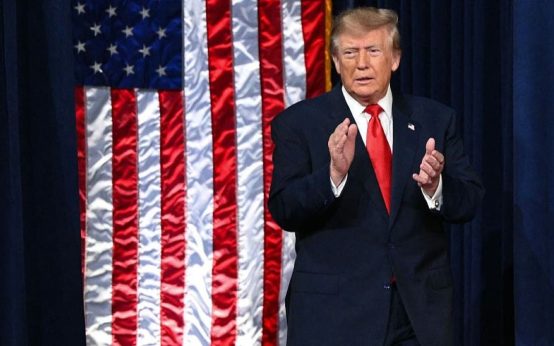 Republican Concerns Over Changing Loyalty of Working-Class Voters
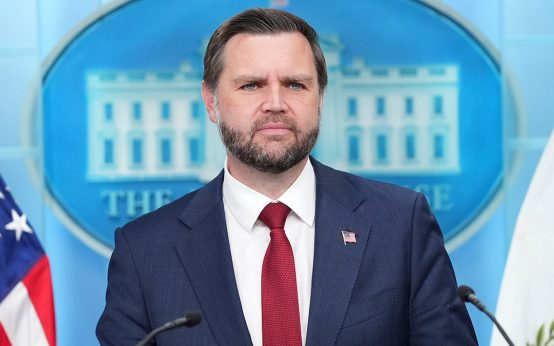 US Vice President JD Vance Chooses Not to Endorse Netanyahu Amid Israeli Elections
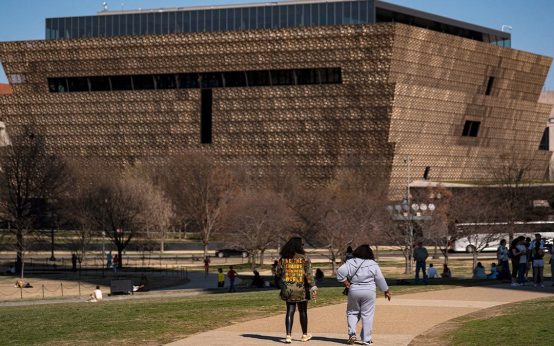 Controversy Over Smithsonian Screening of ‘White Guilt’ Documentary
 Rising Violence in Europe and Its Political Impact
 Matthew McConaughey Sparks Debate on America’s Two-Party System