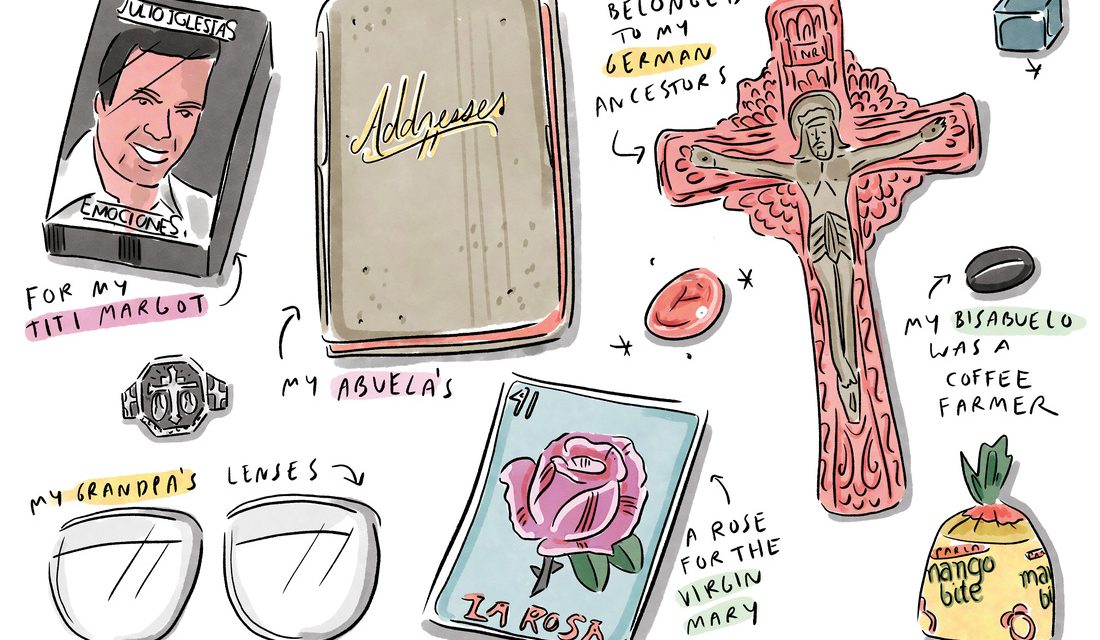
Ancestral Connection: Every morning, I greet my ancestors at a special altar on my bedside table. It holds items like my abuela’s address book, my grandfather’s eyeglass lenses, and a cassette tape of Polish children’s songs, among other memory-filled objects. These things remind me of the love from my family and the wisdom passed down through generations.
Ancestral altars are a global practice. In Mexico, ofrendas are set up to honor loved ones during Día de los Muertos. In Buddhism and African cultures, permanent altars are common to keep the memory of the deceased alive daily.
You don’t have to be part of a specific religion or culture to make an altar. Everyone can create a space to honor ancestors, says Ehime Ora, who teaches African spirituality.
Altars serve as sacred places, helping individuals feel supported and connected, according to Camara Meri Rajabari, a psychotherapist focusing on ancestral roots.
Setting Up Your Own Altar
Step 1: Define Your Intentions
Begin by figuring out why you want to connect with your ancestors. Chelsey Luger, co-author of The Seven Circles: Indigenous Teachings for Living Well, shares that altars can emphasize ancestral values. Her teaching, rooted in the philosophy of Mitakuye Oyasin, reminds her of interconnection.
You might set up an altar as a simple act of gratitude for those who came before, Ora advises.
Step 2: Select a Spot
Choose a location that feels right for you. I have my altar beside my bed filled with cherished items. Ora suggests altars can be anywhere, from dressers to closets, as long as they provide a space for intentional communication.
Step 3: Collect Items
Fill your altar with objects representing your ancestry. These can be symbolic or hold personal significance. Rajabari explains that such items embody ancestral energy, connecting you with history. Seek out family heirlooms or meaningful symbols to include.
Even if you lack specific items from ancestors, represent them with things they loved or were connected to. For instance, Luger keeps a bottle of Givenchy perfume that her grandmother favored. Ask family for stories; they guide you in choosing items for your altar.
Step 4: Establish a Ritual
Create actions that acknowledge the importance of your altar. Collins and Rajabari advocate for morning prayers and meditation. Ora mentions that some traditions offer food to ancestors. Such rituals strengthen connections, providing support and peace.
My ritual involves greeting my ancestors, lighting a candle, and wearing rings from my grandmothers. These acts honor their lives, offering tranquility despite not knowing them personally.
Your Turn: Share how you connect with ancestors at [email protected]. Include the subject line “Ancestors,” add photos, and we may feature your story on NPR.org.
This episode was produced by Audrey Nguyen, with digital editing by Malaka Gharib.
Contact us at 202-216-9823, or email [email protected]. Listen to Life Kit on Apple Podcasts and Spotify, or sign up for our newsletter.
 Finding Fulfillment in Retirement: Steps to Enjoy Your Achievements
 Kylie Jenner Shines in $50 Million Fantasy Bra at Victoria’s Secret Fashion Show
 Screencaps Weekly Roundup: A Varied Mix of Sports, Music, and Stories
 Addressing the Impact of Gossip on Relationships
 Young Adults Turn to Spiritual Practices for Dating Insights
 Italian Fiesta Pizzeria: Chicago’s Hidden Gem with New Jerk Chicken Pizza