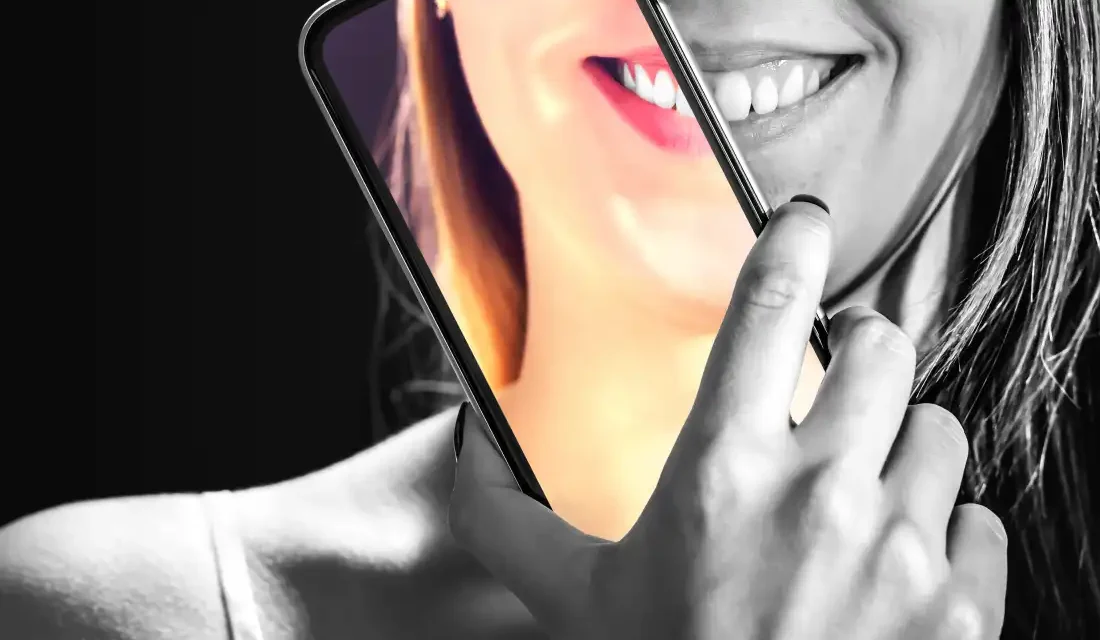
State attorneys general in the U.S. are dealing with the issue of filters on social media for kids and teens, prompted by a recent agreement with Meta. The social media company agreed to limit some digital beauty filters for minors. This decision particularly targets filters that simulate extreme changes, resembling cosmetic procedures or heavy makeup. Meanwhile, state officials must determine where the boundaries lie.
Impact on Youth Body Image
Teenagers face immense pressure related to online beauty ideals. Terms like “Instagram face,” coined by Jia Tolentino in 2019, describe a look with features like a button nose and high cheekbones. These features are often achieved with filters. Mia Lerner, a high school senior and body image activist, has experienced how these tools impact self-esteem. She told NPR that beauty filters contributed to her eating disorder, urging a welcome step in the Meta settlement to limit such filters.
The Issue with ‘Subtle’ Editing
The settlement involves Meta and 47 U.S. states, plus Washington D.C. and three territories. It does not outright ban all digital effects. Filters that transform users playfully, such as into characters like elves or puppies, remain available. But filters that subtly enhance appearance, like smoothing skin, are still accessible. This subtle editing worries Lerner, who finds it easier to compare herself with these deceptively slight alterations.
Tech Guardrails and Moving Targets
Meta has implemented measures to manage beauty filters. These include banning filters prompting cosmetic surgery and adding labels to AI-generated content. Despite these measures, problematic filters bypass these controls. TikTok also restricts beauty filter use for under-18s, while Snapchat does not. State attorneys are nearing the end of their period to clarify guidance for Meta on bannable content.
Evolving Beauty Standards
As digital beauty trends evolve, officials face challenges in defining beauty filters. Florencia Solari, a creative technologist, notes that trends rapidly shift. The “Instagram face” look is being replaced by other aesthetics, complicating decisions about what constitutes an extreme filter.
Technological Change
While beauty standards change, technology advances as well. Future capabilities may allow teens to create entire AI-generated environments. Kelly Frasier, co-author of a social media impact study, suggests lawmakers should target broader AI regulation rather than specific beauty filters.
Legal and Regional Challenges
Legally, individual states might struggle to agree on what constitutes a “cosmetic procedure filter.” David Greene from the Electronic Frontier Foundation queries about differing state opinions. While some states may approve certain filters, others may not. The outcome of these differences remains uncertain.
Beyond the U.S., European regulators propose bans on beauty filters for minors under the KIDS Act. This approach forbids them entirely, aligning with a child-friendly service model.
Teens Demand Inclusion
Meta intends to enforce the cosmetic filter ban by early next year. Youth activists like Lerner call for including teens in discussions about regulations. Lerner suggests that companies should solicit teen perspectives about the relevance of filters. Although Meta has collaborated with teens in the past, its current initiatives remain unclear.
 Florida Ransomware Recovery Firm Fraud Case
 Talcott Financial Group’s Retail Expansion and Technological Innovation
 Toyota’s Digital Transformation in Supply Chain Management
 Australia’s Challenge in Enforcing Social Media Restrictions for Minors
 Innovative App Project Engages Students in Tree Assessment and GIS